Stylish Home Decor You Can Make on a Tiny Budget
I spent most of my childhood in a cramped apartment where “decorating” usually meant moving a lamp to a different corner just to feel like something had changed. I used to think that making a space look intentional required either a massive inheritance or a weekend lost to a complex Pinterest project that ultimately just ends up as clutter. But after studying urban planning and living the freelance life, I’ve realized that most diy home decor ideas you see online are actually just unnecessary chores in disguise. You don’t need a complete overhaul; you just need a few smart, functional adjustments that actually stick.
In this post, I’m breaking down five specific ways to upgrade your environment without turning your life into a full-time construction site. We aren’t doing anything precious or high-maintenance here; instead, we’re focusing on low-effort, high-impact systems that make your home feel curated rather than cluttered. I’ll show you how to use what you already have to create a space that actually serves your daily routine instead of just looking good in a photo. Let’s get into it.
Table of Contents
The Thrifted Frame Swap
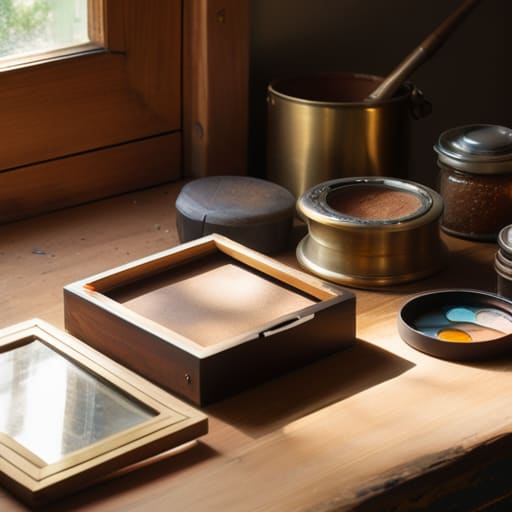
Most people think they need to drop a hundred bucks at a boutique to get decent art on their walls, but that’s just a fast track to a light wallet. I usually spend my Saturday mornings hitting up local thrift stores, looking specifically for sturdy, weirdly shaped frames rather than the art itself. You can find some incredible vintage wood or brass pieces for a couple of dollars if you aren’t picky about the actual picture inside.
Lighting Over Everything
If your apartment feels cold or clinical, it’s probably because you’re relying entirely on that one harsh overhead light. You don’t need a contractor to fix the vibe; you just need to stop using the big light. I started collecting mismatched ceramic lamps from secondhand shops and pairing them with warm-toned smart bulbs to create “zones” in my living space.
Functional Greenery
I used to buy those expensive, fussy plants that die the second you look at them wrong, which felt like a total waste of money. Now, I stick to the “low-maintenance” rule: Pothos or Snake Plants only. They are hard to kill, and more importantly, they actually improve the air quality in a small apartment where ventilation might be an issue.
The Texture Upgrade
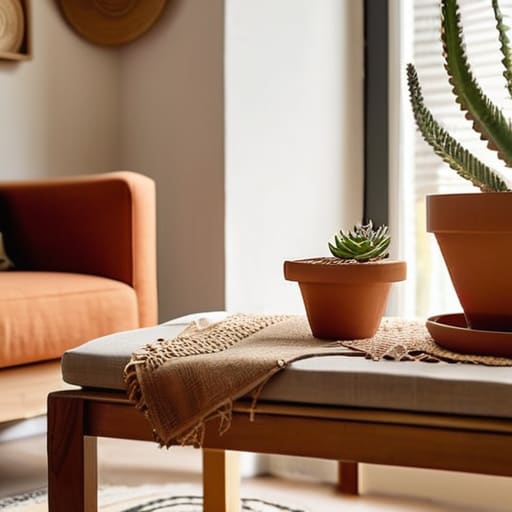
When you’re living in a rental, you can’t paint the walls or change the flooring, which can make things feel permanent and boring. My go-to move is adding texture through textiles. I’m talking about a heavy cotton throw or a linen cushion cover in a neutral, earthy tone. It’s about adding tactile layers that make a space feel lived-in rather than just staged.
Organized Surface Styling
Clutter is the fastest way to kill a good design, but “organizing” often feels like a chore that never ends. I prefer a system of “styled trays” to manage the chaos on my coffee table or entryway console. If you have a collection of keys, a wallet, and some mail, don’t just let them scatter; put them on a single, solid object.
The Bottom Line
At the end of the day, these projects aren’t about achieving some impossible, magazine-ready perfection. Whether you’re swapping out old hardware, repurposing thrifted finds, or just organizing your lighting to actually feel cozy, the goal is the same: creating a space that works for you. We looked at ways to upgrade your environment through intentional, low-effort tweaks rather than massive, expensive renovations. Remember, the point of these DIY wins is to build a home that feels curated and functional without turning your Saturday into a full-time construction job. It’s about making small, repeatable improvements that actually stick.
Don’t let the fear of a “failed” project stop you from trying. If a paint job looks a little uneven or a thrifted vase isn’t quite your vibe, just pivot. Your apartment is a living system, not a static museum piece, and it’s allowed to evolve as you do. Focus on the projects that bring you the most immediate sense of calm and order, and let the rest go. You don’t need a huge budget or a massive toolkit to build a life that feels truly yours. Just pick one thing, grab your tools, and start where you are.
Frequently Asked Questions
How do I keep these DIY projects from just becoming more clutter in a small apartment?
The easiest way to avoid “project clutter” is to follow one rule: if it doesn’t have a dedicated home or a clear function, it doesn’t enter the apartment. Before you start, ask yourself if this piece is replacing something broken or adding actual utility. If you’re just making something “pretty” that sits on a shelf collecting dust, skip it. Aim for decor that doubles as storage or serves a daily purpose. Keep it lean.
Are there specific tools I actually need to buy, or can I do most of this with stuff I already have?
Look, I’m not a fan of the “buy everything before you start” trap. Most of what I do relies on stuff you probably already have—a screwdriver, some heavy-duty tape, or even just a way to clean things properly. If you’re going to buy anything, make it high-quality basics that last. Don’t drop fifty bucks on a specialized tool for a one-off project. If it doesn’t serve at least three other tasks, leave it on the shelf.
How do I make sure my DIY decor doesn't look cheap or like a college dorm room?
The secret is avoiding the “clutter trap.” Most dorm-style decor feels cheap because it’s a collection of random, plastic, or flimsy stuff. To keep it looking intentional, stick to a tight color palette and prioritize texture over quantity. One heavy linen pillow or a solid wood shelf looks infinitely better than five cheap plastic organizers. If it doesn’t serve a function or add actual weight to the room, leave it out. Keep it minimal; keep it real.