
Finding the Leaks: How to Track and Cut Unnecessary Spending
I used to think that if I just downloaded one more fancy, subscription-based budgeting app, my finances would magically fix themselves. I spent way too many nights staring at colorful pie charts and complex spreadsheets that felt more like a second job than a helpful tool. The truth is, most of these “expert” systems are designed to keep you staring at a screen, not to actually help you live. If you’re looking for a complicated way to obsess over every cent, there are plenty of influencers for that, but if you actually want to learn how to track your spending without losing your mind, you need to stop looking for a digital miracle and start looking for a functional system.
I’m not here to sell you on a lifestyle of deprivation or a complicated accounting method that takes three hours every Sunday. My approach is built on the idea that your money should serve your life, not the other way around. I’m going to show you a few low-effort methods I’ve used to keep my bank account steady while working freelance, focusing on small, repeatable wins that actually stick. We’re going to skip the fluff and focus on minimalist utility—systems that give you clarity so you can get back to what actually matters.
Table of Contents
Finding Personal Finance Management Tools That Actually Work
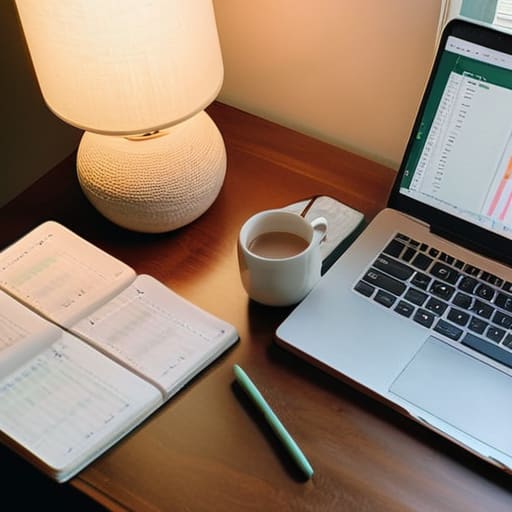
Don’t fall into the trap of downloading every flashy app on the App Store just because they have a clean interface. Most of them are designed to keep you scrolling, not to actually help you save. If you’re looking for personal finance management tools, the best one is usually the one you’ll actually open on a Tuesday night when you’re tired. For me, that means keeping it low-friction. I tend to lean toward a simple monthly budget spreadsheet because I can customize the columns to fit my specific freelance income swings without an algorithm telling me how to feel about my coffee habit.
If spreadsheets feel too heavy, look for apps that prioritize automation over manual entry. You want something that syncs with your bank so you can spend your time analyzing the data rather than just typing in numbers. However, if you’re just starting out, don’t feel pressured to master complex budgeting methods for beginners right away. Start with a tool that offers high visibility with low effort. The goal isn’t to become an amateur accountant; it’s to gain enough clarity to make decisions without the math becoming a second job.
Low Friction Tracking Daily Expenses Without the Mental Load
The biggest mistake I see people make is trying to log every single cent the second it leaves their hand. If you’re trying to record a coffee purchase while walking into a meeting, you’re going to fail. That’s not a system; that’s a chore. Instead, I focus on low-friction capture. This might mean just snapping a photo of every receipt or using a dedicated “spending” folder in your banking app to flag transactions. The goal isn’t perfection; it’s gathering the data so you can deal with it later when you actually have the headspace.
Once you have the data, you need a way to process it without it feeling like a second job. For me, that means a weekly ten-minute audit rather than a daily grind. Whether you prefer a simple monthly budget spreadsheet or just a notes app entry, the method has to be something you can do while your coffee is brewing. If your process for tracking daily expenses takes more than a few minutes a week, it’s too heavy. Build a habit that fits your existing rhythm, not one that requires you to sit down and stare at a screen until your eyes hurt.
Five Ways to Keep the Data Moving Without Losing Your Mind
- Stop trying to categorize every single cent. If you’re spending ten minutes debating whether a coffee was “Dining Out” or “Groceries,” you’ve already lost. Pick three broad buckets—Needs, Wants, and Everything Else—and move on. The goal is awareness, not an accounting degree.
- Use the “Receipt Dump” method if you hate apps. When I’m out, I just toss my physical receipts into one specific drawer or a small tin when I get home. Once a week, I spend ten minutes scanning them into my notebook or app. It keeps the clutter out of my wallet and the data ready for later.
- Automate the boring stuff. Set your recurring bills to autopay and link your main accounts to a single dashboard. If you have to manually enter every utility bill, you’re going to quit by month three. Let the software do the heavy lifting so you can focus on the variable stuff, like how much you’re actually spending on takeout.
- Check your banking app while you’re waiting for something else. I usually do a quick scan while I’m waiting for my coffee or sitting on the train. It takes thirty seconds to see if there’s a weird charge or if I’m drifting too close to my limit. It’s much easier to course-correct in real-time than to face a mountain of transactions at the end of the month.
- Focus on the “Big Three” leaks. Most people don’t go broke because of a single $5 purchase; they go broke because of subscriptions they forgot to cancel, mindless convenience fees, and the “small” daily habits that add up. If you track those three specific areas, you’ll find 80% of your wasted money without needing a complex spreadsheet.
The Goal Isn't Perfection
At the end of the day, tracking your spending isn’t about becoming a human calculator or obsessing over every single cent. It’s about choosing a tool—whether that’s a rugged spreadsheet, a dedicated app, or just a quick note in that little notebook I always carry—and sticking to a system that doesn’t feel like a second job. We’ve covered how to find the right tools and, more importantly, how to keep the process low-friction so it actually survives a busy Tuesday. The point is to reduce the mental load, not add to it. If your system is so complex that you avoid it after three days, it’s a bad system. Period.
Don’t let the fear of a “messy” month stop you from starting. You’re going to have weeks where you overspend or completely forget to log a transaction, and that’s fine. The objective isn’t to achieve a flawless record; it’s to build repeatable wins that give you a clear picture of where your money is actually going. Once you stop guessing, you start deciding. Use that data to fund the things that actually matter to you—the gear, the travel, or just the peace of mind that comes with knowing you’re in control. Now, go pick a method and just start small.
Frequently Asked Questions
What do I do if I miss a few days of logging and feel like the whole system is ruined?
Stop. You haven’t ruined anything. The biggest mistake people make is trying to “catch up” by digging through three days of old receipts and bank statements. That’s a time sink you don’t need. Just leave the gap blank. Start fresh from today. A perfect record isn’t the goal; consistency over the long haul is. If you obsess over the missing data, you’ll burn out and quit entirely. Just pick up the pen and move forward.
How much detail do I actually need to record—is every single coffee purchase worth the effort?
Look, if you’re spending twenty minutes a day logging every single $4 latte, you’ve already lost the battle. You’ll burn out by Tuesday. I don’t care about the micro-details; I care about the patterns. Track the big stuff—rent, utilities, groceries—and then group the small stuff into a “miscellaneous” or “daily spend” bucket. If you see a massive leak at the end of the month, then you can zoom in. Otherwise, let it go.
At what point does a tracking system become too much work and start feeling like a second job?
It becomes a second job the moment you start spending more time categorizing transactions than actually living your life. If you’re sitting there for thirty minutes every Sunday night debating whether a coffee counts as “Dining Out” or “Groceries,” your system is broken. A good system should be invisible. If the friction of logging an expense makes you want to avoid looking at your bank account entirely, you’ve officially crossed the line into over-engineering.