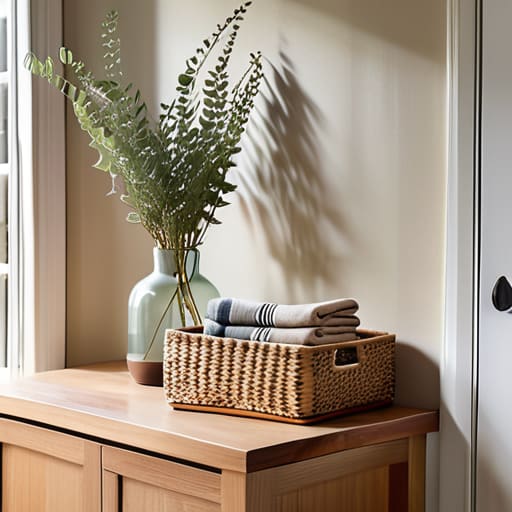
Streamline Your Entryway for Stress-free Mornings
I spent most of my childhood tripping over a pile of mismatched shoes and discarded mail every time I walked through the door of our cramped apartment. I used to think that if I just bought one of those expensive, floor-to-ceiling custom cabinetry systems, my life would suddenly feel put together. But let’s be real: most “home organization” influencers are selling you a lifestyle that requires a massive mortgage and a professional cleaning crew to maintain. If you’re looking for a guide on how to organize your entryway that involves spending three weeks assembling a Swedish bookshelf just to hold your keys, you’re in the wrong place.
I’m not here to sell you a dream; I’m here to help you build a functional system that actually survives a Tuesday morning. We aren’t going for perfection or a Pinterest-ready showroom. Instead, I’m going to show you how to use high-utility, low-cost tools to create a landing zone that works for your actual life. My goal is to give you a few repeatable wins—simple, smart setups that stop the clutter before it hits your living room, so you can spend less time hunting for your wallet and more time actually living.
Table of Contents
Decluttering Your Front Door Area Without the Exhaustion
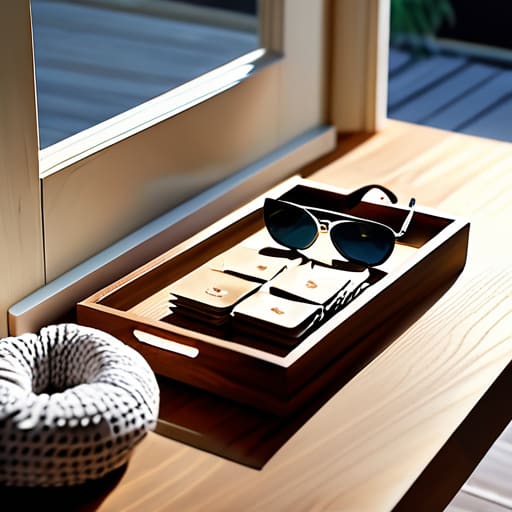
Most people approach decluttering like they’re preparing for a deep-clean marathon, but that’s how you end up with a pile of junk on your floor and zero energy left for the rest of your day. I don’t have the bandwidth for that. Instead of trying to overhaul the entire space at once, start by identifying the “drift.” You know what I mean—the random mail, the single rogue sock, and the three different pairs of sunglasses that always seem to migrate toward the door. Decluttering your front door area shouldn’t be a weekend project; it should be a quick audit of what actually belongs there versus what is just passing through.
If you’re working with limited square footage, stop trying to find floor space for things that don’t need it. I’m a big believer in verticality. Instead of a massive cabinet that eats up your walking path, look into wall mounted key holders or slim hooks. If you can’t find a place for your shoes, don’t just let them pile up in a mountain by the mat; look for compact shoe storage solutions for foyers that tuck neatly under a console or a small bench. The goal isn’t to have a showroom; it’s to clear the visual noise so you can actually walk into your home without feeling immediate stress.
Small Entryway Organization Tips for Maximum Flow
If you’re working with a tight footprint, you can’t afford to have items just “sitting” on surfaces. Every inch needs a job. Instead of hunting for a massive console table that will choke your hallway, look for entryway furniture for small spaces that utilizes verticality. A slim, wall-mounted shelf or a narrow console can hold your mail without eating up your walking path. I’ve found that if you don’t give your things a specific “landing pad,” they’ll just end up in a pile on the floor.
For the stuff you use every single day, go for high-utility, low-profile tools. I’m a big fan of wall mounted key holders—they keep your essentials at eye level and off the kitchen counter. If your floor space is being eaten up by a mountain of sneakers, look into slim shoe storage solutions for foyers, like a tiered rack or a very narrow cabinet. The goal isn’t to create a showroom; it’s to ensure that when you walk through the door, you aren’t immediately tripping over your own life.
Low-Effort Systems for High-Traffic Zones
- Stop the “junk pile” before it starts by putting a single, heavy-duty basket right by the door. It’s for the stuff that doesn’t have a home yet—mail, sunglasses, or that one random charging cable—so it doesn’t end up migrating to your kitchen table.
- Get your keys off the floor and onto a wall-mounted hook or a small dedicated tray. If you have to hunt for them every morning, you’ve already lost the first battle of the day.
- Invest in one sturdy, high-quality shoe rack instead of a mountain of loose sneakers. If there isn’t a specific slot for a pair of shoes, they shouldn’t be in the entryway; keep the “overflow” in a closet so the walkway stays clear.
- Use vertical space for the things you grab every single day. A simple row of heavy-duty hooks for coats and bags is way more effective than a bulky coat rack that just gets knocked over every time you walk past.
- Set up a “launchpad” station for your essentials. I keep a small tray for my wallet, my notebook, and my pen right where I exit. It takes five seconds to check, and it saves me ten minutes of frantic searching when I’m already running late.
The Bottom Line
At the end of the day, organizing your entryway isn’t about achieving some Pinterest-perfect aesthetic that looks good in a photo but fails the first time you walk in with a heavy bag of groceries. It’s about the small, practical wins: having a designated spot for your keys so you aren’t tearing the couch cushions apart at 8:00 AM, and keeping the floor clear so you don’t trip over a rogue sneaker. You don’t need an expensive custom mudroom or a massive renovation to make this work. Just focus on minimizing the friction between walking through your front door and actually settling into your space. If you have a basket for the mail and a hook for your coat, you’ve already won more than most people do.
Don’t let the idea of “perfect organization” paralyze you into doing nothing at all. Systems are meant to serve your life, not become another chore on your to-do list that makes you feel guilty. Start with one small change—maybe just clearing off that one cluttered side table—and see how it feels. The goal is to create a space that lets you breathe the moment you step inside, rather than a space that immediately demands your attention and energy. Keep it simple, keep it functional, and let the rest take care of itself.
Frequently Asked Questions
I live in a tiny studio apartment with zero actual entryway; how do I create a "landing zone" without it taking over my entire living space?
If you don’t have a foyer, stop trying to force one. You don’t need a mudroom; you just need a designated “drop point.” I use a single, heavy-duty floating shelf or even just a slim console table tucked against a sliver of wall near the door. Put a small tray there for keys and a single hook for your bag. If it’s not in the tray, it’s lost. Keep it vertical, keep it small, and keep it contained.
How do I keep my family from turning the new organization system into a pile of junk within a week?
The mistake most people make is building a system that requires perfection. If your family has to follow a ten-step process to hang up a coat, they won’t do it. You need “low-friction” zones. Instead of a delicate hook, use a heavy-duty rack. Instead of a tiny tray, use a large, open basket. Make the “right” way the easiest way, and the junk pile won’t stand a chance.
What’s the best way to handle seasonal gear, like heavy winter coats or muddy boots, when I don't have a basement or extra storage?
If you’re living in a small space, seasonal gear is a slow-motion disaster. Don’t try to squeeze everything into your entryway at once. Use the “one-in, one-out” rule: if it’s summer, the heavy parkas go into a vacuum-sealed bag under your bed or in a high shelf in your closet. For muddy boots, get a dedicated boot tray. It catches the mess and keeps the grime from migrating into your living space.