Ways to Personalize Your Rental and Make It Feel Like Home
I spent most of my childhood in a cramped apartment where everything felt temporary—the mismatched furniture, the thin walls, and that generic, sterile beige paint that seems to exist in every rental unit. I used to think that learning how to make a rental feel like home meant spending a month’s rent on “statement pieces” or trying to DIY a kitchen backsplash that would just get me a deduction from my security deposit later. Most of the advice you see online is just expensive noise designed to make you feel like your space is inadequate unless you buy a dozen throw pillows and a massive rug you can’t afford.
I’m not here to sell you on a lifestyle you can’t maintain or a decor style that requires a warehouse of storage. Instead, I want to show you how to build a few small, repeatable systems that actually change the energy of your space without draining your bank account. We’re going to focus on high-impact, low-effort tweaks—the kind of stuff that works for people who have actual lives to lead. My goal is to help you turn that transient box of a room into a functional sanctuary that actually feels like yours by the time you finish your first cup of coffee.
Table of Contents
Non Permanent Apartment Decor Ideas That Actually Stick
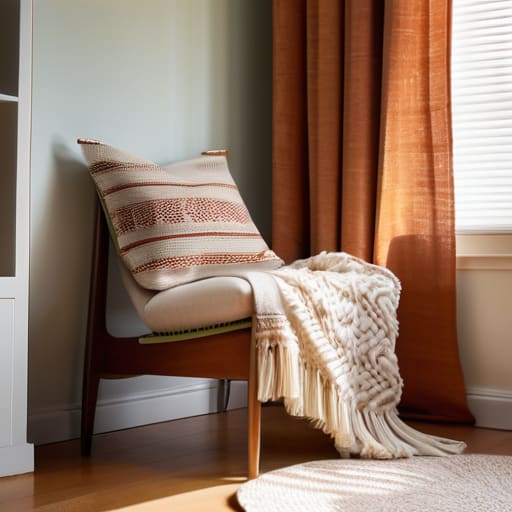
First, let’s talk about the walls. Most landlords act like a bare white wall is a sacred monument, but living in a blank box is draining. You don’t need to risk your security deposit with heavy drills; instead, look into renter-friendly wall art solutions like Command strips or lightweight wooden frames. If you want something with more substance, try hanging a large textile or a woven tapestry. It covers a massive amount of surface area and is one of the easiest ways of adding texture to rental spaces without making a single hole.
Lighting is the other silent killer of a good vibe. Most apartments come with those harsh, overhead “boob lights” that make everything feel like a sterile hospital wing. Stop using them. Instead, focus on improving rental lighting by layering smaller sources. A single floor lamp in a corner or a cheap LED strip behind your desk can completely change the mood of a room. It’s about creating pockets of warmth so you aren’t constantly squinting under a single, aggressive bulb.
Renter Friendly Wall Art Solutions Without the Security Deposit Stress
The biggest mistake I see people make is treating their walls like a permanent gallery. You start drilling holes for heavy frames, only to realize at move-out time that you’ve essentially turned your security deposit into a construction fund. Instead, look for renter-friendly wall art solutions that don’t require a power drill. Command strips are the obvious choice, but if you want something with more weight, try using lightweight wooden frames with high-quality prints rather than heavy glass. If you’re worried about the “white box” syndrome, lean into textiles. Hanging a heavy linen tapestry or a woven rug isn’t just a way to cover a boring wall; it’s one of those small, repeatable wins for adding texture to rental spaces without the permanent damage.
Another move that saves my sanity is the leaning method. If you have a decent-sized mirror or a large piece of art, don’t hang it—just lean it against the wall on top of a low bookshelf or directly on the floor. It feels intentional, a bit more curated, and most importantly, it requires zero commitment.
Low-Maintenance Layers: Systems for a Space That Feels Intentional
- Fix the lighting first. Rental overhead lights are usually aggressive and clinical; swap them for warm-toned smart bulbs or grab two cheap floor lamps to create “zones” of light so you aren’t living under a fluorescent interrogation lamp.
- Invest in a high-quality rug to hide the “standard issue” apartment flooring. It’s the fastest way to dampen noise and physically soften a room that feels too much like a temporary box.
- Use scent to anchor the space. A specific candle or diffuser creates a sensory association with “home” that makes the transition from the street to your front door feel immediate and calming.
- Bring in actual life. I’m not talking about expensive floral arrangements, but a few hardy plants like pothos or snake plants. They add texture and make the air feel less stagnant without requiring a degree in botany.
- Upgrade your hardware. Replacing those generic, plastic cabinet knobs with something heavy and tactile—that you store in a small box to put back when you move—is a tiny change that makes your kitchen feel significantly less like a dorm room.
The Bottom Line
At the end of the day, making a rental feel like home isn’t about a massive renovation or spending your entire paycheck at a boutique furniture store. It’s about the small, strategic shifts we talked about—using command strips for art, swapping out hardware, or layering in textures that don’t require a drill. You don’t need to overhaul every square inch of your floor plan to feel settled. The goal is to implement a few low-effort, high-impact systems that allow you to reclaim your space without the constant fear of losing your security deposit. Focus on the pieces that actually serve your daily routine, and let the rest go.
Your apartment is a tool for your life, not a museum for your landlord’s property. Whether you’re living in a tiny studio or a shared house, your environment should be a place that actually supports your peace of mind rather than adding to your mental load. Don’t get caught up in the perfectionism of interior design trends. Just build a space that feels functional, looks decent, and most importantly, feels like yours. You’ve got enough to worry about; your home shouldn’t be one of them.
Frequently Asked Questions
How do I deal with ugly, industrial-grade lighting without having to rewire anything?
Stop staring at that harsh, flickering overhead light. You don’t need an electrician; you just need to stop using it. The trick is layering. Grab two or three floor lamps or even some cheap task lights and scatter them around the room. Aim for warm-toned bulbs to kill that sterile, office vibe. If you have a plug near a corner, a small shaded lamp makes a massive difference for zero effort.
Is it actually worth investing in better furniture, or should I just stick to cheap, modular pieces I can move easily?
Buy better furniture, but be picky. I used to buy cheap, modular stuff thinking it was “smart” for moving, but it usually ends up in a landfill after two moves because the particle board snaps. Instead, invest in one or two anchor pieces—a solid wood table or a real sofa—and keep the rest basic. It’s better to own one thing that lasts a decade than five things that break by next summer.
How can I hide those hideous, mismatched rental floors without spending a fortune on new rugs?
Don’t go out and buy a massive, expensive area rug that covers half the room; you’ll just end up tripping over the edges. Instead, think in zones. Grab a couple of smaller, durable jute or low-pile rugs to anchor your main spots—like under the coffee table or next to the bed. It breaks up the visual monotony of the ugly flooring without breaking your budget or making the space feel cramped.