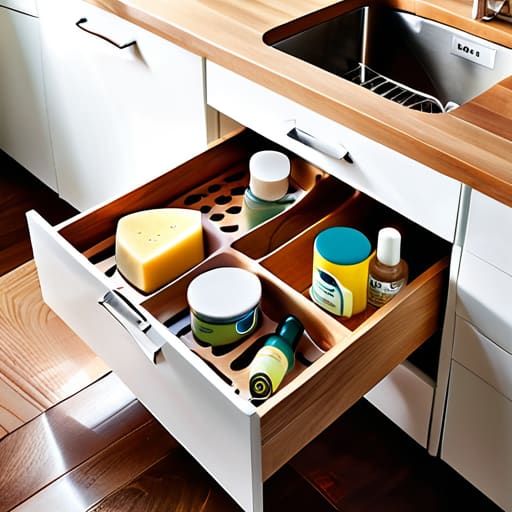
Taming the Chaos: How to Organize Everything Under Your Sink
I grew up in a place where if you lost the dish soap behind a mountain of half-empty detergent bottles, it was basically gone forever. I’ve seen those “aesthetic” organization videos where people spend $200 on custom acrylic drawers and label every single cotton ball just to show off how to organize under the sink. Honestly? That’s not organization; that’s a performance. If your system requires a PhD in interior design and a massive credit card bill just to find the Windex, it’s a broken system that’s going to fail the second you actually have a busy week.
I’m not here to sell you on a lifestyle you can’t maintain. Instead, I want to show you how to build a setup that actually works with the chaos of real life. We’re going to focus on low-effort, high-utility solutions—think cheap bins and smart grouping—that keep your cleaning supplies accessible without turning your kitchen into a showroom. My goal is to help you master how to organize under the sink so you can find what you need in seconds, not minutes, and get back to whatever actually matters.
Table of Contents
Maximizing Small Cabinet Space Without the Weekend Long Project
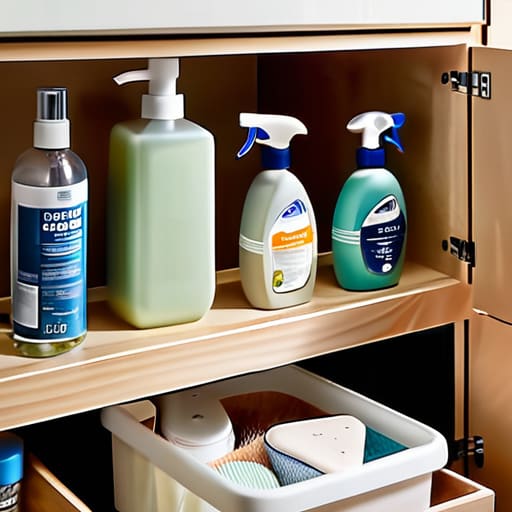
Look, I’m not about to tell you to buy a twelve-piece acrylic drawer set that costs more than the actual cleaning supplies inside them. That’s just clutter in a prettier package. If you want to focus on maximizing small cabinet space without losing your entire Saturday, start with the “zone” method. Group your stuff by frequency of use. The things you grab every single morning—like hand soap or daily surface spray—should be right at the front. Everything else, like the heavy-duty degreaser you use once a month, goes in the back or tucked away in a simple bin.
If you’re dealing with a deep, dark abyss of a cabinet, don’t overthink it. Instead of complex custom builds, just grab a few cheap under sink pull out organizers or even just sturdy plastic bins. It turns a chaotic pile into a drawer you can actually use. Also, do yourself a favor and throw down some waterproof cabinet liners. It takes two minutes to install, but it saves you from the inevitable leak or spill that usually turns your cabinet floor into a swamp. It’s about building a system that handles the mess so you don’t have to.
The Lazy Persons Guide to Effective Cleaning Supply Storage Solutions
Look, I’m not interested in a setup that requires a PhD to navigate. If you have to move three bottles of Windex just to reach the dish soap, the system is broken. The goal here is speed. I’m a big fan of under sink pull out organizers—specifically the slim, sliding drawer types. They turn that dark, unreachable void at the back of the cabinet into something functional. You pull the drawer, grab your spray, and you’re done. No more kneeling on a cold floor feeling like you’re excavating a site.
If you’re dealing with a leaky bottle or a damp sponge, don’t stress about a deep clean. Just grab some waterproof cabinet liners. It’s a five-minute fix that prevents the wood from warping and saves you from a much larger headache down the line. I don’t care if your supplies are color-coded or shoved into mismatched plastic bins; as long as you can find what you need in under five seconds, you’ve won. Keep it simple, keep it dry, and get back to your actual life.
Five ways to keep it functional without the headache
- Use clear bins for the heavy stuff. Don’t bother with tiny dividers for everything; just grab a few medium-sized, clear plastic bins so you can see exactly where the dish soap is without digging through a dark corner.
- Group by frequency of use. Keep the things you touch every single day—like the multipurpose spray and a sponge—right at the front. The heavy-duty degreaser or the niche drain cleaner can live in the back or even in a separate bin.
- Utilize the door, but keep it simple. A cheap over-the-door organizer or even just a few Command hooks can hold your scrub brushes or spray bottles. It keeps the floor of the cabinet clear so you aren’t fighting a pile of plastic every time you need a rag.
- Stop the “death pile” of half-empty bottles. If you have three different brands of glass cleaner, consolidate them or toss the ones that don’t work. Less clutter means less stuff to move around when you’re just trying to wipe a counter.
- Measure before you buy anything. I’ve seen people spend twenty bucks on a tiered shelf only to realize it’s two inches too tall for the cabinet. Grab your notebook, measure the depth and height, and then decide what actually fits.
The Bottom Line
Look, you don’t need a custom-built pull-out drawer system or a Pinterest-perfect aesthetic to make this work. We’ve covered the essentials: stop trying to stack things vertically in a way that requires a game of Jenga every time you need the Windex, and start using simple bins to group your stuff. Whether it’s a few cheap plastic containers for cleaning sprays or a small tension rod to hang your scrub brushes, the goal is functional accessibility. If you can reach for what you need without moving five other items first, you’ve already won. Don’t overcomplicate the setup; just build a system that actually works for the way you move through your kitchen.
At the end of the day, this isn’t about having a showroom-ready cabinet. It’s about reclaiming those tiny, annoying moments of friction that eat away at your mental energy. When you stop fighting your own furniture, you save more than just space—you save time and a little bit of your sanity. My advice? Pick one bin, clear out the junk, and start small. You don’t need to overhaul your entire apartment in a single afternoon to feel like you’re finally getting your life in order. One cabinet at a time is plenty.
Frequently Asked Questions
Do I actually need to buy expensive drawer organizers, or can I just use old shoeboxes and Tupperware?
Honestly? No. Don’t waste your money on those overpriced acrylic dividers you see on Instagram. They look nice for a week, but they’re just another thing to clean. If you have old shoeboxes or Tupperware, use them. They do the exact same job: they create boundaries so your sponges and scrubbers don’t turn into a chaotic pile. Just make sure they actually fit. The goal is containment, not aesthetic perfection.
How do I deal with the inevitable leaks or moisture issues without ruining everything I just organized?
The worst thing you can do is stack everything directly on the cabinet floor. If a bottle leaks or a pipe sweats, your wood is toast. Grab a cheap silicone mat or even just a couple of plastic trays to act as a barrier. It keeps the moisture away from your supplies and your cabinetry. If you see a puddle, wipe it up immediately—don’t wait for the weekend. It takes ten seconds to prevent a disaster.
What’s the best way to keep tall, awkward spray bottles from toppling over every time I open the door?
The “bottle graveyard” under the sink is a massive headache. If you don’t want to spend money on fancy organizers, just grab a small tension rod and wedge it horizontally across the back of the cabinet. You can rest the bottles on it, or better yet, use it to hang sprayers by their triggers. If that’s too much effort, just get one shallow plastic bin for the tall stuff. It keeps them upright and stops the domino effect.