The Secret to Making Your Bed Feel Like a Luxury Hotel
I spent most of my childhood in a cramped apartment where “luxury” meant having enough space to actually walk to the bathroom without tripping over a shoe. Back then, I learned that if something looks good but is impossible to maintain, it’s not a feature—it’s a burden. I see these interior design videos all the time, claiming you need a dozen decorative pillows and a specialized steamer to master how to make your bed look luxurious. Honestly? That’s just more clutter to move out of the way when you’re actually exhausted at 11 PM. You shouldn’t have to perform a choreographed dance just to make your sleeping space feel intentional.
I’m not here to sell you on a lifestyle you can’t afford or a morning routine that eats up your productivity. Instead, I want to show you a few low-effort systems that prioritize texture and scale over sheer volume. We’re going to focus on a few high-impact swaps—think heavy linens and strategic layering—that take less than three minutes but make your room feel expensive. This is about building a space that serves your rest, not a chore list that serves an Instagram aesthetic.
Table of Contents
Investing in Premium Bedding Materials for Instant Impact
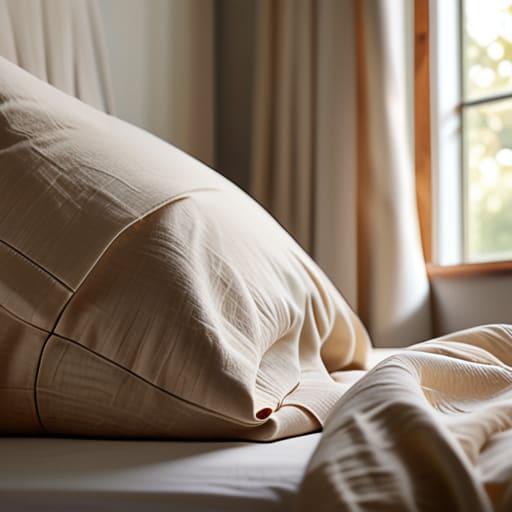
Look, you don’t need a designer showroom budget to get this right, but you do need to stop buying those scratchy, synthetic microfibers that pill after three washes. If you want that heavy, expensive feel, focus on the weight and texture of your premium bedding materials rather than chasing a number on a label. I used to fall for the trap of hunting down high thread count sheets, thinking more was always better, but honestly? A high thread count often just means the fabric is denser and less breathable. I’d much rather have a lower thread count in 100% long-staple cotton or linen that actually breathes and gets softer every time I wash it.
The real secret to that hotel style bed making look isn’t just the fabric; it’s the volume. If your duvet looks flat and sad, it’s probably because you’re using a fill that’s too thin for your insert. Invest in a high-quality down or down-alternative insert that’s one size larger than your cover. This creates that effortless, cloud-like loft that makes the whole room feel intentional rather than just a place where you crash.
Mastering Hotel Style Bed Making Without the Hassle
The secret to hotel style bed making isn’t about how much time you spend smoothing out every single wrinkle; it’s about the geometry of the setup. Most people make the mistake of laying everything flat, which looks lifeless. Instead, try the “fold-back” method. Pull your duvet up to the head of the mattress, then fold the top third down toward the foot of the bed. This creates an immediate sense of depth and reveals your sheets, making the whole thing look intentional rather than just… slept in.
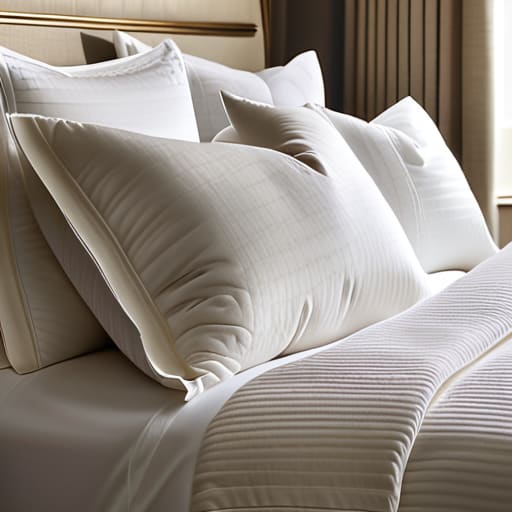
Next, let’s talk about the pillows. If you just stack them vertically against the headboard, it looks like a dorm room. To get that high-end look, focus on layering pillows for comfort and visual weight. Start with your largest sleeping pillows against the wall, then lean your decorative shams in front of them. If you have extra small cushions, toss them in the center. It’s a two-minute ritual that adds structure to the room. You aren’t performing a choreographed dance; you’re just creating layers that make the bed look substantial and inviting.
The Five-Minute Finishing Touches
- Stop fighting with your pillows. Instead of standing there karate-chopping them like a decorator on a deadline, just give them a good shake, split the feathers (or stuffing) toward the edges, and lean them against the headboard. It creates volume without the performative effort.
- The “Double Duvet” trick is my go-to when I want the bed to look heavy and expensive. If your comforter looks thin or flat, throw a second, slightly lighter duvet or a thick quilt underneath it. It adds that structural weight that makes a bed look high-end rather than just messy.
- Ditch the matching pillowcase sets. If everything is the exact same shade of white, it looks like a hospital room. Mix in one or two textures—maybe a heavy linen sham or a waffle-knit cover—to break up the visual monotony. It makes the bed look curated, not just “bought.”
- Use a weighted throw blanket at the foot of the bed, but don’t fold it perfectly. Drape it diagonally or just toss it over the bottom third. It hides any wrinkles in your bottom sheet and adds a layer of texture that makes the whole setup look intentional.
- Manage your light, not just your linens. A bed looks cheap under a harsh overhead light. If you want that “luxury hotel” vibe, keep a small, warm-toned lamp on your nightstand. It softens the edges of the fabric and makes the entire room feel more cohesive and calm.
The Bottom Line
At the end of the day, making your bed look high-end isn’t about buying a dozen decorative pillows you’ll just knock onto the floor every night. It’s about the strategic basics: choosing fabrics that actually feel good against your skin, layering a heavy duvet to create depth, and using the “toss and go” method to avoid spending twenty minutes fighting with hospital corners. You don’t need a professional housekeeper or a designer budget to make your space feel intentional. It’s just about building a repeatable system that works for your actual lifestyle, not some curated Pinterest board that requires constant maintenance.
Your bedroom should be the one place where the world stops demanding things from you. When you take those extra two minutes to smooth out the linens and pull up the duvet, you aren’t just performing a chore; you’re setting the stage for your own rest. We spend so much time grinding through work and managing chaos that we often forget to design our environments to support our recovery. Focus on these small, functional wins. A well-made bed is a quiet, low-effort way to tell yourself that your peace of mind is worth the investment.
Frequently Asked Questions
How do I keep my bedding looking crisp and expensive if I'm on a tight laundry budget?
You don’t need to run the wash every three days to keep things looking sharp. My trick? Rotate your pillowcases. They take the brunt of the oils and sweat, so swapping them every few days keeps the bed smelling fresh and looking clean without a full strip-and-wash cycle. Also, invest in a decent fabric steamer. Five minutes of steam on a wrinkled duvet cover does more for the “expensive” look than a heavy-duty laundry cycle ever will.
Is it actually worth buying a separate duvet cover, or should I just stick to one big set?
Get the separate duvet cover. If you just buy a single big set, you’re essentially stuck with one look and a massive, heavy thing to wash every week. A cover is a system upgrade. It lets you swap the “vibe” of your room in two minutes by just changing the fabric, and more importantly, you only have to wash the lightweight cover instead of the entire heavy duvet. It’s less laundry and more versatility.
What’s the best way to handle a small bed or a studio apartment without it looking cluttered and overwhelming?
When you’re working with a studio or a tiny bed, the goal is to stop the “visual noise.” Don’t go overboard with heavy, dark comforters; they eat up all your visual space and make the room feel like a cave. Stick to light, neutral tones and keep your layers slim. If your bed is right next to your desk or kitchen, use a single, well-made duvet instead of a mountain of pillows. Less bulk, more breathing room.