Keep Your Kitchen Counters Clear With These Organization Hacks
I’m so tired of seeing those “aesthetic” kitchen organization ideas that require a $200 custom acrylic bin for every single spice jar. Most of that content is just performative—it looks great in a ten-second reel, but the second you actually try to cook a meal, the whole system collapses under the weight of real life. I grew up in a tiny apartment where space was a luxury we couldn’t afford, and I learned early on that if a system isn’t actually functional, it’s just more clutter masquerading as order.
I’m not here to sell you on a lifestyle overhaul that takes up your entire Sunday. Instead, I want to share a few low-maintenance systems that actually stick, even when you’re busy or tired. We’re going to focus on high-impact, low-effort tweaks—the kind of stuff that keeps your counters clear and your pantry usable without requiring a degree in interior design. My goal is to help you build a kitchen that serves you, rather than a kitchen that gives you another chore to manage.
Table of Contents
Small Kitchen Storage Solutions That Save You Time
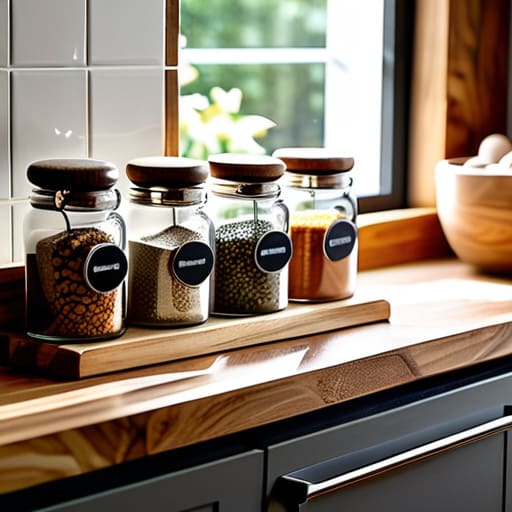
If you’re working with limited square footage, the goal isn’t to find more space—it’s to stop wasting the space you already have. I’ve found that most people struggle because their most-used items are buried in the back of a dark cabinet. Instead of a massive overhaul, look into small kitchen storage solutions like tiered shelf risers or magnetic knife strips. These allow you to utilize vertical space, which is usually the most underused real estate in an apartment. If you can see your spices and oils without moving three other things, you’ve already won half the battle.
Another way to reclaim your sanity is by implementing simple drawer divider systems. I used to spend way too much time digging for a specific whisk or a vegetable peeler, which is just a massive time-sink during meal prep. By grouping your tools by frequency of use, you create a flow that actually works with your movements. This isn’t about being a perfectionist; it’s about minimizing the friction between you and your next meal. Keep it functional, keep it visible, and move on with your day.
Pantry Organization Hacks for Repeatable Weekly Wins
The biggest mistake I see is people trying to turn their pantry into a Pinterest board. If you spend three hours decanting pasta into matching glass jars, you’ve already lost. You’re not building a system; you’re performing a chore. Instead, focus on pantry organization hacks that actually reduce decision fatigue during a busy Tuesday night. Group your items by how you actually use them—breakfast stuff in one spot, quick snacks in another, and dinner staples in a third. If you can see what you have at a glance, you won’t end up buying a third bag of rice because you couldn’t find the first two hiding in the back.
I’m a big believer in the “one-in, one-out” rule to maintain an efficient kitchen layout without constant cleaning. Use clear, stackable bins for loose items like granola bars or seasoning packets; it keeps the chaos contained without requiring a massive time investment. The goal isn’t perfection; it’s making sure that when you’re tired and hungry, you aren’t digging through a mountain of half-empty boxes just to find a can of beans.
Five Low-Maintenance Systems for a Functional Kitchen
- Stop the “junk drawer” cycle by designating one single bin for loose items like rubber bands or menus. If it doesn’t fit in the bin, it doesn’t stay in the drawer.
- Group your ingredients by how you actually use them—keep oils and salt right next to the stove so you aren’t hunting through a cupboard mid-sauté.
- Use vertical space for things you use daily, like a magnetic knife strip or a small rack for your most-used cutting boards, to clear up precious counter real estate.
- Don’t buy expensive, matching containers for everything; just use clear, stackable bins for things like pasta or snacks so you can see exactly when you’re running low.
- Set a “one-minute rule” for your kitchen counters: if a task takes less than sixty seconds—like putting the mail in a basket or rinsing a bowl—do it immediately so the clutter doesn’t pile up.
The Goal Isn't Perfection
At the end of the day, you don’t need a Pinterest-perfect kitchen to be successful; you just need a space that doesn’t fight you when you’re trying to make dinner after a long shift. We’ve looked at how small storage tweaks can save you precious minutes and how a basic pantry system can stop you from overbuying groceries you’ll never use. The point isn’t to spend your entire weekend color-coding your spice rack, but to implement low-effort systems that actually stick. If you can find a way to keep your most-used tools within arm’s reach and your staples easy to see, you’ve already won half the battle.
I used to think a clean home meant a spotless one, but I’ve learned that’s a lie that just leads to burnout. Real organization is about reducing friction, not achieving some impossible aesthetic standard. Start with one drawer or one shelf this week. Don’t try to overhaul the whole apartment in a single afternoon. Just build a small, repeatable win that makes your morning coffee a little smoother or your grocery shopping a little faster. Your kitchen should serve your life, not become another chore on your to-do list.
Frequently Asked Questions
I don't have a huge budget for fancy bins; what are some cheap or DIY ways to organize without spending a fortune?
Look, you don’t need a $40 acrylic bin from a big-box store to fix a messy drawer. I grew up in a space where we used whatever worked. Grab some sturdy cardboard boxes from grocery runs, cut them to size, and use them as drawer dividers. Empty glass pasta jars make perfect, free pantry canisters. The goal isn’t to look like a Pinterest board; it’s just to stop searching for the salt for ten minutes every morning.
How do I know which items are actually worth keeping in my "daily use" zone versus what should be tucked away in a harder-to-reach spot?
Use the “frequency test.” If you touch it every single morning—like your coffee mug or that one good chef’s knife—it stays in the prime real estate. If you only pull it out for Sunday brunch or once-a-month baking, it goes in the back or a higher cabinet. Don’t overthink it. If you’re digging through three layers of Tupperware to find a colander, your system is broken. Keep the daily tools within arm’s reach.
If I'm already short on time, how do I maintain these systems so the clutter doesn't just pile back up in two weeks?
The trick isn’t a massive Sunday reset; it’s the “one-touch” rule. If you take a jar out, put it back immediately. Don’t set it on the counter to “deal with later”—later is when the clutter wins. I also keep a small basket in my pantry for “misplaced” items. If something ends up there, it’s a signal that your system is failing. Adjust the system, don’t just work harder.