Weekend Woodworking: Simple Projects for New Hobbyists
I used to think that making anything with my hands required a garage full of expensive power tools and a weekend I didn’t have. Growing up in a tiny apartment, I learned quickly that if something broke or if I needed a place to put my keys, I couldn’t just wait for a delivery truck; I had to figure it out myself. Most people get intimidated by the sheer scale of DIY, but you don’t need to build a dining table to feel the win. I’m talking about beginner woodworking projects that actually fit into a busy life—tasks that use minimal tools and won’t leave your floor covered in a mountain of sawdust.
In this post, I’ve narrowed it down to five specific projects that offer the highest return on your time. We aren’t chasing perfection or complex joinery here; we are focusing on functional utility. You’re going to learn how to tackle small, high-impact builds that upgrade your living space without draining your bank account or your sanity. By the end of this, you’ll have a roadmap for turning some basic scrap wood into something that actually serves your life.
Table of Contents
The Floating Shelf
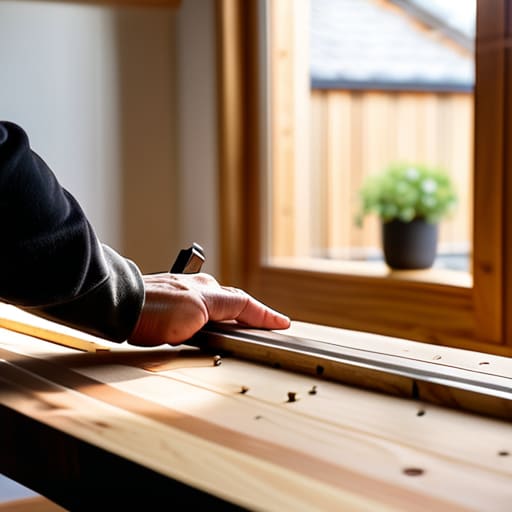
Most people think you need a workshop full of expensive power tools to get that clean, modern look, but you really just need a few straight boards and some basic hardware. I started with these because they’re the fastest way to reclaim vertical space in a small apartment without making a massive mess. If you can drive a screw and use a level, you can do this.
Minimalist Monitor Stand
If you’re working from a cramped desk, your neck is probably paying the price for a poorly positioned screen. Building a simple monitor riser is a low-stakes project that pays off in immediate ergonomics. It’s basically two side supports and a top plank, nothing more, nothing less. It’s a perfect way to practice your measurements without the fear of ruining an expensive piece of furniture.
The Desktop Organizer Tray
We all have that one “junk drawer” or a pile of loose pens and cables that makes our workspace feel chaotic. A small, shallow wooden tray is the simplest way to contain the clutter before it takes over your life. This is a great project for practicing basic sanding and glue-ups, which are the foundation of almost everything else you’ll build later.
A Low-Profile Plant Stand
If you have a few indoor plants, you know that floor space is a premium. A simple, geometric plant stand can lift your greenery off the ground and add a bit of structure to a corner of your room. You don’t need complex angles; a basic “X” frame or even a simple tripod design works perfectly. It’s a great way to experiment with structural stability on a tiny scale.
The Bedside Caddy
When you live in a small space, you often don’t have room for a massive nightstand, but you still need a place to put your phone, glasses, or a book. A small, wall-mounted wooden box or a slim tabletop caddy solves this problem instantly. It’s a project that teaches you how to manage tight tolerances, making sure everything fits snugly without being impossible to use.
Don't Overthink the Tools
Look, the point of these projects isn’t to turn your living room into a professional workshop or to master every complex joinery technique known to man. Whether you’re building a simple floating shelf or a basic crate for your plants, the goal is to stop buying cheap, particle-board junk that falls apart in six months. By sticking to these five projects, you’re practicing the basics—measuring twice, cutting once, and learning how to actually work with your hands—without the massive overhead of expensive machinery. It’s about creating a few solid pieces that serve a purpose and actually fit your space.
At the end of the day, the most important thing you’re building isn’t the shelf or the box; it’s the system of competence that comes from finishing something yourself. There is a specific kind of quiet confidence that comes from looking at a piece of furniture and knowing exactly how it stays together. Don’t wait until you have the “perfect” toolset or a dedicated garage to start. Just grab some scrap wood, find a corner of your apartment, and make something that works. The small wins add up, and eventually, you’ll realize you don’t need a massive budget to live in a space that feels entirely your own.
Frequently Asked Questions
Do I actually need a workshop, or can I get away with just a small toolkit and a corner of my living room?
You don’t need a dedicated workshop. I grew up in a cramped apartment, so I know that space is a luxury most of us don’t have. If you have a corner of a room and a decent, versatile toolkit—think a cordless drill, a way to measure, and some basic hand tools—you’re set. Just get a heavy-duty drop cloth to save your floors and a small rolling cart for your gear. Keep it modular.
How much should I realistically budget for my first few projects before I start feeling like I'm throwing money away?
Look, don’t go out and buy a $500 table saw just because a YouTube video told you to. You’ll regret it by Tuesday. For your first few runs, aim for a $50 to $100 “learning tax.” That covers some decent sandpaper, a basic drill, and whatever scrap wood or pine you can find at a local yard. If you spend more than that before you’ve actually finished a single piece, you’re not building—you’re just collecting tools.
What’s the best way to source decent wood without spending a fortune at a big-box hardware store?
Look, big-box stores are a trap for beginners. You’ll pay a premium for wood that isn’t even straight. If you want the good stuff without the markup, hit up local architectural salvage yards or check Facebook Marketplace for people selling “scrap piles.” Honestly, my best finds come from construction sites—just ask the foreman first. Most guys are happy to let you take the offcuts if you’re polite. It’s free, and the wood is usually high-quality.