
Laundry Hacks to Help Your Wardrobe Last Much Longer
I grew up in a one-bedroom apartment where the washing machine was a temperamental beast that lived in the corner of the kitchen, and I learned early on that you don’t need a cabinet full of expensive, color-coded detergents to get the job done. Most of the laundry tips you see online are just glorified ways to sell you more plastic bottles or convince you that you need a twelve-step ritual to keep your socks matching. I’m tired of the idea that home maintenance has to be a secondary full-time job; honestly, if a “hack” takes longer to set up than the actual wash cycle, it’s not a hack, it’s just more clutter.
I’m not here to give you a lifestyle makeover or suggest you spend your Sunday afternoon color-sorting every single thread in your wardrobe. Instead, I want to share the low-effort systems I’ve built to keep my clothes in good shape without letting them hijack my schedule. We’re going to focus on a few repeatable wins—the kind of practical, no-nonsense adjustments that actually save you money and time. Let’s get your clothes clean and get you back to your life.
Table of Contents
Mastering How to Sort Clothes Without the Mental Load
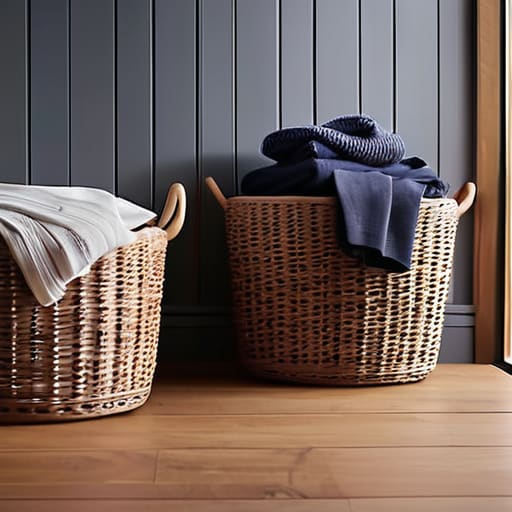
The biggest mistake people make is trying to treat every piece of clothing like a delicate museum artifact. If you’re standing over a pile of laundry trying to remember a complex fabric care guide you read once three years ago, you’ve already lost. You don’t need a PhD in textiles; you just need to stop the bleeding. I started using a three-bin system: lights, darks, and “the stuff that might ruin everything.”
By separating your heavy denim and towels from your thin cotton tees right when they hit the hamper, you eliminate the decision fatigue that usually kills your momentum on Sunday night. This isn’t about being perfect; it’s about how to sort clothes in a way that actually sticks. If you catch a spill early and apply basic stain removal techniques before the garment hits the hamper, you’re already ahead of the game. The goal is to move from “thinking about laundry” to just executing the system. Once the sorting is automated, the actual washing becomes a mindless background task rather than a mental hurdle.
Laundry Detergent Efficiency Getting More Results for Less Effort
Most people treat laundry detergent like a “more is better” situation, but that’s just a fast way to waste money and gunk up your machine. I used to dump way too much soap into my drum, thinking it would make my clothes cleaner, but all I ended up with was a layer of film on my shirts and a smelly, clogged washer. Real laundry detergent efficiency isn’t about the volume; it’s about using exactly what the load requires. If you’re using pods, stick to one per load unless you’re running a massive industrial-sized pile. If you’re using liquid, stop eyeballing it. Use the cap to measure, or better yet, get a cheap measuring cup so you aren’t guessing.
If you actually care about your clothes lasting, you need to treat detergent as part of a broader fabric care guide. High-efficiency (HE) machines are designed to use very little water, so excess suds actually prevent the machine from rinsing properly. This buildup is a nightmare for washing machine maintenance down the road. Keep it simple: use the right amount, use cold water whenever possible to save on energy, and let the chemistry do the work without drowning your textiles in chemicals.
Five ways to stop treating laundry like a second job
- Stop overfilling the machine. It’s tempting to cram everything in to save time, but if the clothes can’t actually move, they won’t get clean. You’ll just end up re-washing them later, which is a massive waste of both water and your time.
- Invest in a few decent-sized mesh laundry bags. Throw your socks, delicates, or small items in there before they hit the drum. It prevents the “lost sock” mystery and keeps your clothes from getting stretched out or tangled in the agitator.
- Use the “dryer ball” trick instead of dryer sheets. Those scented sheets are mostly just chemical coatings that can build up on your clothes. Wool dryer balls move air through the load more effectively, cutting down your drying time and saving a few bucks on the electric bill.
- Set a timer on your phone the second the wash is done. The biggest mistake I made growing up was letting damp clothes sit in the machine for three days until they smelled like mildew. If you can’t hang them immediately, at least move them to a basket so they don’t sit in a stagnant puddle.
- Learn the “one-touch” folding rule. Don’t let the clean laundry sit in a mountain on your bed or “the chair.” As soon as the dryer stops, fold it or hang it. It takes five minutes when you do it immediately, but it takes an hour of mental dread if you let it pile up.
The Bottom Line
At the end of the day, laundry doesn’t need to be a weekend-long battle or a source of constant decision fatigue. By setting up a basic sorting system before the clothes even hit the floor and being intentional about how much detergent you actually use, you’re removing the friction that turns a chore into a headache. It’s about moving away from the “all or nothing” mindset and toward a series of small, repeatable wins that keep your wardrobe in good shape without draining your energy or your bank account. Stop letting the pile dictate your schedule; build a system that works for you instead.
I know what it’s like to feel like you’re constantly playing catch-up with the basic demands of adult life. When you’re living in a small space or working a non-traditional schedule, every minute you save on housework is a minute you get back for yourself—whether that’s tinkering with a synth or just sitting in silence. Don’t aim for a Pinterest-perfect laundry room; aim for a functional, low-maintenance routine that lets you focus on the things that actually matter. You don’t need more time; you just need better systems.
Frequently Asked Questions
How do I actually stop my dark clothes from turning gray without buying a bunch of expensive specialty detergents?
The trick isn’t a magic soap; it’s about stopping the friction. Most of that “graying” is actually tiny fibers breaking off and getting trapped in the wash. First, flip everything inside out before it hits the machine—it protects the outer face of the fabric. Second, stop using hot water. It’s a budget killer and it’s brutal on dyes. Stick to cold cycles. It keeps the fibers tight and the color locked in.
Is it worth the extra time to air-dry my clothes, or am I better off just using a dryer on a low setting?
Honestly, it’s a trade-off between time and longevity. If you’re staring down a deadline, use the dryer on low—it’s fine. But if you want your clothes to actually last, air-drying is the move. High heat is what kills elasticity and thins out fabric over time. I usually air-dry my basics and heavy knits to save them, then use the dryer for towels and stuff that needs to be soft. It’s about playing the long game.
How often should I actually be cleaning my washing machine so it doesn't start smelling like mildew?
If your machine smells like a damp basement, you’ve waited too long. Aim for a deep clean once a month. Don’t overthink it: run an empty cycle with a dedicated cleaner or a cup of white vinegar and some baking soda on the hottest setting. While that’s running, wipe down the rubber seal—that’s where the real grime hides. It takes ten minutes, but it saves you from replacing a ruined machine later.