Easy Weekly Hacks to Save Money on Your Grocery Bill
I spent most of my childhood watching my mom perform a high-stakes math equation at the checkout counter, praying the total wouldn’t exceed the crumpled bills in her purse. I learned early on that most “expert” advice on how to save on groceries is complete nonsense designed for people with way too much free time. If someone tells you that you need to spend six hours every Sunday meal-prepping elaborate, five-star recipes to see a difference in your bank account, they’re lying. That’s not a system; that’s a second job, and it’s a fast track to burnout.
I’m not here to give you a list of lifestyle hacks that feel like chores. Instead, I want to share the low-effort, repeatable systems I use to keep my pantry stocked without draining my freelance earnings. We’re going to focus on small, tactical wins—like how to shop your own fridge before you hit the store and how to build a grocery list that actually works. My goal is to help you build a leaner budget through smart logistics, not through deprivation or spending your entire weekend in the kitchen.
Table of Contents
Smart Grocery Shopping Habits for Busy People
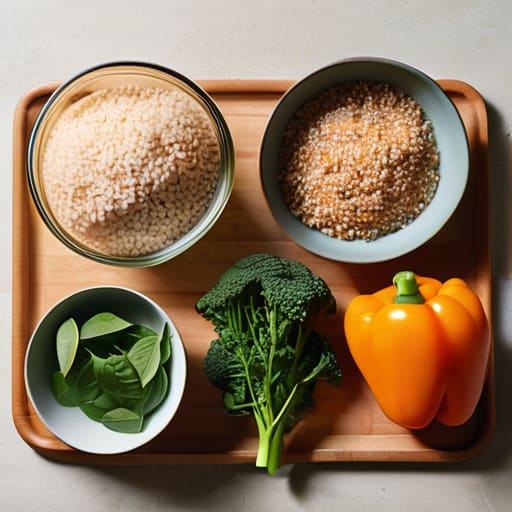
The biggest mistake I see people make is treating the grocery store like a scavenger hunt. If you wander the aisles without a plan, you aren’t shopping; you’re just donating money to the retailer. Instead of complex meal planning for beginners that requires a spreadsheet and three hours of your Sunday, try a “component method.” Pick three proteins, two grains, and a handful of versatile vegetables. This keeps your list tight and ensures you aren’t buying random ingredients that end up as science experiments in the back of your fridge.
Once you have your list, it’s all about the execution. I’ve learned that the store brand vs name brand debate is usually a settled matter—most of the time, the ingredients are identical, but the packaging is just flashier. I also swear by leaning into seasonal produce advantages; if it’s not in season, it’s going to cost you double and taste like nothing. Don’t get distracted by the end-cap displays or the “buy one get one” deals on things you didn’t actually need. Stick to the perimeter, stick to your list, and get out.
Meal Planning for Beginners Without the Stress
Most people think meal planning requires a color-coded spreadsheet and four hours of Sunday afternoon labor. It doesn’t. If you try to cook five different complex recipes every week, you’ll burn out by Tuesday and end up ordering takeout anyway. Instead, I treat it like a modular system. Pick two proteins, three versatile vegetables, and a base grain. This is the core of meal planning for beginners who actually have lives. You aren’t building a gourmet menu; you’re just ensuring that the ingredients you buy actually make it into your mouth instead of the trash.
The real trick to reducing food waste at home is staying flexible. Don’t plan for “Chicken Piccata on Wednesday”; plan for “Protein + Veggie” and let the specific ingredients dictate the vibe. If your spinach is looking a little sad by Thursday, throw it into a pasta or a quick omelet. By focusing on a few repeatable components rather than rigid recipes, you stop the cycle of buying specialized ingredients that sit in your fridge for weeks. It’s about building a system that bends when your schedule gets messy.
Small Tweaks to Stop the Grocery Bleed
- Shop your own pantry before you hit the store. I used to buy a new jar of cumin every week because I couldn’t find the one I already owned; now, I do a five-minute sweep of my cabinets first so I’m only buying what I actually lack.
- Stop buying pre-cut produce. You’re paying a massive premium for someone else to use a knife, and usually, that “convenience” comes with a shorter shelf life. Buy the whole head of lettuce or the block of cheese and spend three minutes prepping it yourself.
- Stick to the perimeter. The middle aisles are where the processed, high-margin stuff lives—the snacks and boxed meals that eat your budget and offer zero nutritional value. Focus on the edges where the real, single-ingredient food is.
- Learn the “unit price” trick. Don’t just look at the big number on the price tag. Look at the tiny number in the corner that tells you the cost per ounce or per gram. That’s the only way to know if the “family size” box is actually a better deal or just a way to trick you into spending more.
- Never shop when you’re hungry. It sounds like a cliché, but it’s physics. When your blood sugar is low, your impulse control vanishes, and suddenly you’ve got three bags of chips and a frozen pizza in your cart that weren’t on the list.
Keeping the Momentum
At the end of the day, saving money on groceries isn’t about some grand, sweeping lifestyle overhaul or spending your entire Saturday in a supermarket aisle. It’s about the small, boring stuff: having a rough idea of what you’re eating before you walk through the doors, sticking to a list so you don’t grab things you’ll just throw away, and choosing ingredients that actually work together across multiple meals. If you can master the art of the simple list and stop the impulse buys, you’ve already won most of the battle. The goal is to create a sustainable loop where your food supports your schedule, rather than your schedule being dictated by what’s rotting in the crisper drawer.
Don’t feel like you have to implement every single one of these systems by Monday morning. Start with one thing—maybe just checking your pantry before you head out, or picking two meals to prep ahead of time. These aren’t meant to be chores; they are small, repeatable wins designed to give you back your time and your money. You don’t need a massive budget or a professional chef’s setup to live well; you just need a few decent systems that keep your life from feeling cluttered. Build the habit slowly, and eventually, the system will start working for you.
Frequently Asked Questions
How do I handle grocery shopping when my schedule is completely unpredictable from week to week?
When your schedule is a moving target, stop trying to plan specific meals. It’s a trap that leads to wasted food and takeout orders. Instead, build a “modular pantry.” Keep a rotation of versatile staples—grains, canned beans, frozen veggies, and a couple of proteins—that work together regardless of when you actually get to cook. If you have a sudden free hour, you have a meal. If not, you aren’t staring at an empty fridge.
Are store-brand products actually worth it, or am I just sacrificing quality for a few cents of savings?
Most of the time, you’re paying for the brand’s marketing budget, not better ingredients. For staples like salt, flour, canned beans, or frozen veggies, the store brand is almost always identical to the name brand. I stopped overthinking it months ago. I only swap to name brands if it’s something high-sensory, like a specific coffee or a certain sauce. If it’s a base ingredient, stick to the generic. It’s an easy win for your wallet.
What’s the best way to manage food waste so I’m not literally throwing money into the trash every Friday?
Stop treating your fridge like a graveyard for forgotten produce. I started doing a “fridge audit” every Thursday night—just five minutes to move anything nearing its end to the front or toss it before it turns into a science project. If it’s wilting, throw it in a freezer bag for future soups or smoothies. It’s not about being a chef; it’s about realizing that every rotten bag of spinach is just cash down the drain.