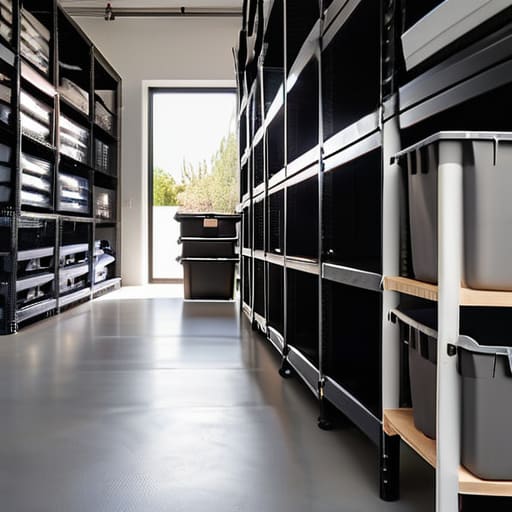
A Weekend Plan to Get Your Garage Completely Organized
I spent three hours last Saturday hunting for a specific hex key, only to realize it had been swallowed by a mountain of half-empty paint cans and tangled extension cords. Most “expert” guides on how to organize your garage will tell you to go out and buy a $500 modular shelving system or a wall of custom-fitted pegboards that look great in a Pinterest photo but fall apart the second you hang something heavy. That’s not organization; that’s just expensive decorating. I grew up in a house where we didn’t have room for “extra” stuff, so I learned early on that if a system requires a massive upfront investment or a degree in interior design, it’s probably going to fail you.
I’m not here to sell you on a lifestyle overhaul or a trip to a high-end home improvement store. Instead, I want to show you how to build a functional system using what you already have and a few cheap, heavy-duty basics. We’re going to focus on high-impact, low-effort moves that actually keep your tools accessible and your floor clear. My goal is to help you master how to organize your garage so you can stop fighting your storage space and actually get things done.
Table of Contents
A No Nonsense Garage Decluttering Checklist That Saves Time
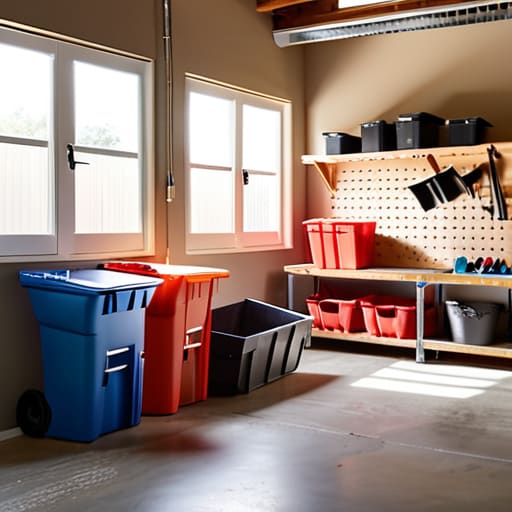
Don’t walk into your garage with a vague intention to “clean up.” That’s how you end up standing in a pile of cardboard boxes three hours later, feeling defeated. You need a concrete garage decluttering checklist that forces you to make decisions quickly. Start by grouping items into three piles: keep, donate, and trash. If you haven’t touched a specific power tool or a box of holiday decor in two years, it’s just taking up mental bandwidth along with physical space.
Once the floor is actually visible, stop thinking about floor space and start looking up. The biggest mistake I see is people trying to cram everything onto the ground. Instead, focus on vertical wall storage ideas like pegboards or slatwalls. This keeps your organizing tools and equipment within arm’s reach but off your walking paths. If you’re dealing with a tight layout, invest in overhead garage storage for the stuff you rarely need, like seasonal bins or camping gear. The goal isn’t to have a pristine showroom; it’s to create a system where you can actually grab a screwdriver without moving five other things first.
Smart Garage Storage Solutions That Actually Serve You
Once you’ve actually cleared the floor, the temptation is to buy every plastic bin you see on social media. Don’t do that. Most of those “aesthetic” setups are just organized junk. Instead, focus on vertical wall storage ideas like slatwalls or heavy-duty pegboards. If you can get your tools, garden gear, and even your bike off the ground and onto the walls, you’ve already won half the battle. It keeps your workspace clear and means you aren’t playing a game of Tetris every time you need a screwdriver.
If you’re dealing with a tight footprint, you have to look up. Overhead garage storage is the most underrated way to reclaim your space. I’m talking about heavy-duty racks for the stuff you only touch once a year—holiday decor, camping gear, or those extra sets of tires. If you can’t reach it easily, it shouldn’t be in your way. The goal isn’t to create a showroom; it’s to build a system where everything has a specific home, making maximizing small garage space feel like a natural byproduct of your setup rather than a constant chore.
Five Low-Effort Moves to Keep the Chaos at Bay
- Stop the “maybe one day” trap. If you haven’t touched that rusted bike part or those mystery cables in two years, they aren’t tools—they’re just clutter taking up expensive real estate. Toss them or donate them.
- Prioritize vertical space immediately. Floor space is for cars and walking, not for stacks of cardboard boxes. Get some heavy-duty wall tracks or pegboards so your most-used tools are at eye level and off the ground.
- Group your stuff by “mission.” Don’t just throw everything in a bin; keep all your gardening gear in one spot and your automotive supplies in another. It stops you from wandering around the garage like a lost tourist every time you need a screwdriver.
- Use clear bins, not opaque ones. There is nothing more frustrating than digging through five identical plastic tubs just to find a roll of electrical tape. If you can’t see it, you’ll forget you own it and end up buying a duplicate.
- Set a “one-in, one-out” rule for your gear. If you buy a new power drill, the old, beat-up one goes. It’s a simple way to prevent the slow creep of clutter that eventually makes a garage unusable again.
Stop Aiming for Perfection
At the end of the day, you don’t need a Pinterest-perfect workshop or a custom-built cabinetry system to make this work. You just need a space where you aren’t tripping over a rogue screwdriver or digging through a mountain of cardboard boxes every time you need a wrench. By following a realistic decluttering checklist and choosing storage solutions that actually match how you move, you’ve already done the heavy lifting. The goal isn’t to create a showroom; it’s to build a functional ecosystem that respects your time and keeps your tools exactly where they belong. Once you have these basic systems in place, the maintenance becomes a series of small, mindless habits rather than a massive, overwhelming weekend project.
Don’t let the fear of a messy start keep you from even trying. I know what it’s like to look at a chaotic space and feel like it’s a lost cause, but remember that systems beat willpower every single time. You don’t have to fix everything this afternoon. Just pick one shelf, one bin, or one corner, and get it right. Small, repeatable wins are what actually transform a cramped garage into a useful part of your home. Get your tools organized, clear your headspace, and then get back to the things that actually matter to you.
Frequently Asked Questions
How much money should I actually spend on storage bins versus just using what I already have?
Don’t go overboard on the aesthetic clear bins you saw on TikTok. If you’ve got sturdy cardboard boxes or old plastic totes in the attic, use them. The goal is organization, not a showroom. Spend your money only when you need durability—like heavy-duty bins for things in the damp corner or specialized shelving for your tools. Use what you have until it breaks or fails to protect what’s inside. Efficiency over aesthetics, always.
What do I do with all the "maybe one day" junk that I'm too afraid to just throw away?
The “maybe one day” pile is a trap. It’s emotional clutter disguised as potential. Here’s my rule: if you haven’t touched it in a year, it’s not a tool or a keepsake; it’s just weight. If you’re truly stuck, take a photo of it. Digital archives take up zero square footage. If the memory is in the photo, you don’t need the physical junk taking up space in your life. Move it or lose it.
How do I keep this organized once I actually start using the space for projects?
The mistake most people make is treating their garage like a showroom. The second you start a project, it’s going to get messy. That’s fine. The trick is to build “reset points.” Keep a heavy-duty rolling cart for your current project so you can just push the chaos into a corner when you’re done. If you have to put every single screw back in a tiny drawer, you won’t do it. Build for the mess, not against it.