Smart Ways to Store Seasonal Gear So It’s Easy to Find
I spent most of my childhood in a two-bedroom apartment where every square inch was a battlefield between what we needed today and what we were saving for tomorrow. I remember the exact moment I realized that “organization” was often just a marketing scam: I was trying to find my heavy winter coat, only to realize it had been buried under a mountain of plastic bins filled with summer gear I hadn’t touched since July. Most “expert” advice on how to store seasonal items suggests buying a massive, expensive shelving system or a dedicated storage unit, but that’s just throwing money at a problem that requires a better system, not more square footage.
I’m not here to sell you on aesthetic containers that look good on a Pinterest board but fall apart after three months. Instead, I want to show you how to build a repeatable workflow that keeps your living space functional year-round. We’re going to focus on low-effort, high-impact setups—the kind of systems that actually respect your time and your bank account. No fluff, no unnecessary spending; just practical ways to get your stuff out of sight so you can actually live in your apartment.
Table of Contents
Space Saving Storage Solutions That Actually Work
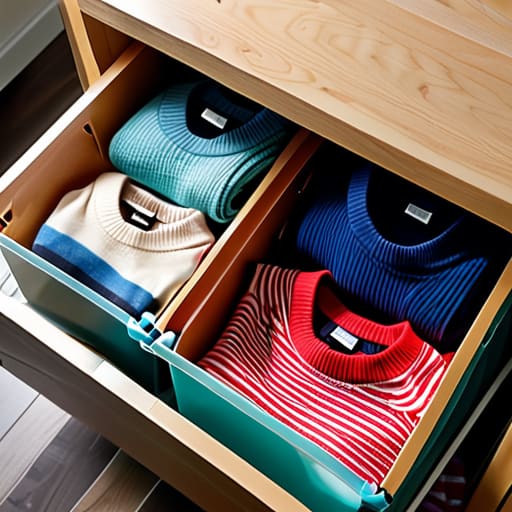
If you’re living in a studio or even just a decent one-bedroom, you don’t have the luxury of a dedicated “storage room.” You have to get creative with the vertical space you actually have. I’ve found that the best bins for seasonal storage are almost always clear plastic ones with locking lids. They stack easily, and more importantly, they allow you to see exactly what’s inside without playing a high-stakes game of Tetris with your closet. If you’re organizing seasonal clothing, skip the bulky suitcases and go for vacuum-seal bags. They shrink everything down to a fraction of its size, which is a total game-changer for keeping your drawers from overflowing every time the temperature drops.
For the more delicate stuff, like those heirloom baubles you can’t afford to replace, don’t just toss them in a heap. I usually use specialized dividers or even repurposed egg cartons for protecting fragile ornaments during the off-season. The goal isn’t just to find a spot for things; it’s to find a spot that doesn’t make your apartment feel like a warehouse. Keep the heavy, rarely-used bins on the highest shelves or tucked under the bed, and keep your active living space clear.
Choosing the Best Bins for Seasonal Storage Without Overthinking
Look, you don’t need a degree in logistics to pick a container, but you also shouldn’t be buying cheap cardboard boxes that will disintegrate by next year. If you’re organizing seasonal clothing or heavy winter gear, go for heavy-duty plastic totes with locking lids. They stack better and, more importantly, they are your best defense against preventing moisture damage in storage if you’re shoving things into a closet or a basement corner.
For the delicate stuff—think those glass baubles or heirloom pieces—stop trying to save money on flimsy bins. Invest in specialized containers designed for protecting fragile ornaments. I’ve learned the hard way that a little extra spend on padded dividers saves you a massive headache (and a lot of broken glass) when you’re unpacking in December.
The golden rule here is visibility. I always opt for clear bins. If I can’t see what’s inside without digging through a mountain of plastic, the system has already failed. Pick a uniform size, stick to clear materials, and don’t overthink it. Just get it contained and get it out of your way.
Five ways to keep your seasonal clutter from taking over
- Label everything with a thick marker. I’m talking big, bold, and ugly—don’t worry about aesthetics here. When you’re digging through a closet at 10 PM, you don’t want to be playing a guessing game with “Misc. Holiday Decor.”
- Use the “One-In, One-Out” rule. If you bring home a new set of heavy winter blankets, something else—maybe those old summer throws you haven’t touched in two years—needs to be donated or tossed. Don’t let your storage volume grow indefinitely.
- Group by frequency of use, not just category. If you pull out your heavy coats every single October, keep them in a reachable bin. If the Christmas lights only come out once a year, shove them into the highest, hardest-to-reach corner of your closet or under the bed.
- Vacuum seal your soft goods. For bulky items like winter sweaters or extra duvets, vacuum bags are a lifesaver. They shrink the footprint of your stuff by about 70%, which is the difference between a functional closet and a cramped mess.
- Audit your bins before you pack them. Don’t just toss broken ornaments or stained summer gear into a new bin. If it’s broken or you haven’t used it in three seasons, it’s just taking up space you can’t afford to lose. Throw it out or fix it now.
Making It Stick
At the end of the day, this isn’t about achieving some Pinterest-perfect museum aesthetic; it’s about reclaiming your square footage. You don’t need a professional organizing service or a custom-built closet system to make this work. Just remember the basics: pick clear bins so you aren’t playing a guessing game every six months, use vertical space to keep your floor clear, and stop hoarding things you haven’t touched in three years. If you build a system that relies on high-maintenance rules, you’re eventually going to abandon it. Keep it simple, functional, and repeatable so that when the seasons shift, you aren’t spending your entire weekend digging through a mountain of cardboard boxes.
Your home should be a place where you can actually breathe, not a warehouse for things you only use once a year. I spent a lot of my early twenties living in spaces that felt cluttered and chaotic because I didn’t have a plan for the “extra” stuff. Once I started treating my storage like a small, manageable project rather than a massive chore, everything changed. Don’t let your belongings dictate how much room you have to live your life. Set up your bins, tuck them away, and get back to the things that actually matter.
Frequently Asked Questions
How do I keep things from getting moldy or smelling weird if I'm storing them in a cramped closet or under the bed?
If you’re squeezing bins into a cramped closet or under a bed, airflow is your biggest enemy. Don’t just toss things in and hope for the best. Grab some silica gel packets—the kind you find in shoe boxes—and toss a few into every bin to suck up excess moisture. If you’re storing clothes, a cedar block or a simple lavender sachet works wonders to stop that “musty basement” smell before it starts.
Is it actually worth buying vacuum seal bags for clothes, or is that just another thing I'll have to manage?
Honestly? Only if you’re dealing with bulky stuff like winter coats or extra duvets. For everything else, they’re a headache. You end up fighting with a vacuum, and if the seal breaks, your clothes are a wrinkled mess by morning. If you have the space, just use slim, breathable fabric bins. If you’re tight on space, use the bags—but keep them for the heavy stuff only. Don’t add “managing plastic bags” to your mental load.
How do I label my bins so I'm not digging through five different boxes just to find one specific holiday decoration?
Don’t go overboard with a label maker and a color-coding system you’ll forget by next Tuesday. Just grab a thick permanent marker and write directly on the bin, or use masking tape if you want to swap things out later. Be specific but brief: instead of “Holiday,” write “Christmas: Lights & Ornaments.” If you’re feeling extra, keep a running list in that notebook of mine so you know exactly what’s inside without even opening the lid.