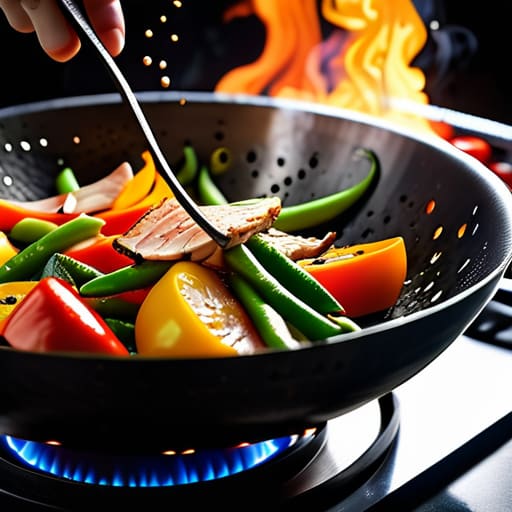
Improvising the Perfect Stir-fry With What You Have
I used to think that learning how to make a stir fry meant I needed a professional-grade wok, a dozen exotic spices, and about forty minutes of intense, frantic chopping before I even turned on the heat. Most cooking blogs make it look like a high-stakes performance art piece, but honestly, that’s just a recipe for burnout and a messy kitchen. When you’re working a freelance schedule and trying to keep your apartment from feeling like a disaster zone, you don’t have time for culinary theater; you just need to eat something that doesn’t come out of a plastic container.
I’m not here to teach you how to be a chef; I’m here to show you how to build a repeatable system. I’ve stripped away the unnecessary fluff to give you a method that focuses on prep efficiency and heat management so you can actually enjoy the process. We’re going to focus on a few high-impact moves that ensure your vegetables stay crisp and your protein stays juicy without the unnecessary chaos. This is about getting a solid, nutritious meal on the table in under twenty minutes, keeping your sanity and your budget intact.
Table of Contents
Vegetable Prep for Stir Fry Speeding Up Your Workflow
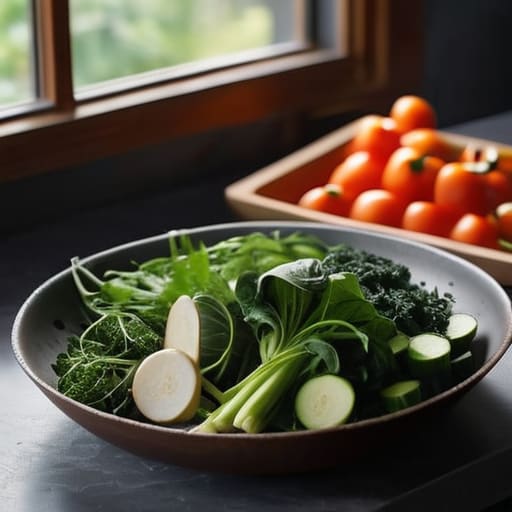
The biggest mistake I see is people trying to chop vegetables while the oil is already shimmering in the pan. That’s a recipe for burnt garlic and a stressful kitchen. Effective vegetable prep for stir fry is all about grouping your ingredients by how long they actually take to cook. You don’t want your delicate baby bok choy sitting in a pile of raw, dense carrots for ten minutes; it’ll turn into mush.
I use a simple tier system. I prep my “hard” veggies—carrots, broccoli, bell peppers—first and set them aside. Then, I prep the “soft” stuff like mushrooms or snap peas. If you’re looking for quick weeknight meal ideas that don’t feel like a chore, this is the system that saves you. Get everything into small, separate piles on your cutting board before you even touch the stove. It keeps the workspace clean and ensures that when the heat goes up, you’re just dropping and tossing rather than frantically searching for a knife.
Protein Seasoning for Stir Fry Maximum Flavor Zero Extra Effort
Most people make the mistake of treating seasoning like a separate, time-consuming stage. They stand over a cutting board for ten minutes just to marinate a single chicken breast. If you’re looking for quick weeknight meal ideas that actually work, you need to stop doing that. Instead, I use a “dry-rub-to-wet” approach. While you’re finishing up your vegetable prep for stir fry, toss your sliced protein into a bowl with just salt, pepper, and a tiny splash of soy sauce or cornstarch. This creates a thin coating that helps the meat brown instantly when it hits the heat, rather than steaming in its own juices.
When it comes to the actual protein seasoning for stir fry, simplicity wins. You don’t need a pantry full of exotic spices; you just need a reliable base. I usually stick to garlic powder, ginger powder, and a dash of toasted sesame oil. These ingredients integrate seamlessly with your stir fry sauce ingredients later in the process, ensuring the flavor is layered rather than just sitting on top. The goal is to get the protein seasoned and ready to go so you can focus on the high heat cooking methods required to get that perfect sear.
Five Ways to Stop Fighting Your Wok
- Heat the pan before you touch the food. If you drop ingredients into a lukewarm pan, you aren’t stir-frying; you’re just boiling vegetables in their own juices, and the texture will be mushy.
- Group your ingredients by cook time. Don’t throw everything in at once. Start with the dense stuff like carrots or broccoli, let them get a head start, and add the leafy greens at the very end so they don’t turn into slime.
- Don’t overcrowd the pan. If you pile too much in, the temperature drops instantly and you lose that sear. Cook in batches if you have to—it’s faster than eating soggy food.
- Use a high-smoke point oil. Forget the extra virgin olive oil here; it’ll burn and taste bitter. Stick to avocado, grapeseed, or peanut oil so you can actually crank the heat without a smoke alarm going off.
- The sauce is a finisher, not a foundation. Don’t pour your liquid base in too early or it’ll boil everything down. Wait until the very end, pour it in, let it bubble and thicken for sixty seconds, then kill the heat.
The System in Motion
At the end of the day, a good stir fry isn’t about following a rigid recipe; it’s about the workflow. If you’ve prepped your vegetables so they’re ready to hit the pan and seasoned your protein to carry the heavy lifting, the actual cooking part becomes almost mindless. You aren’t scrambling to find a knife while your garlic burns or wondering why your meat tastes like nothing. By separating the prep from the heat, you’ve turned a potentially chaotic kitchen session into a repeatable, efficient process that actually respects your time.
Don’t get discouraged if your first few attempts aren’t perfect. Cooking is just another system, and like any system, it requires a bit of calibration. The goal isn’t to become a Michelin-star chef; it’s to build a life where you can eat well without feeling like you’ve just finished a second shift at work. Once you master this rhythm, you’ll realize that minimal effort doesn’t have to mean compromising on quality. Now, get in there, turn up the heat, and enjoy the win.
Frequently Asked Questions
What’s the best way to keep my vegetables from turning into mush if I'm cooking in small batches?
The trick is to stop treating the pan like a slow cooker. If you’re working in small batches, the biggest mistake is overcrowding the pan, which drops the temperature and steams the veggies instead of searing them. Keep your heat high and your portions small. Cook them fast, pull them out the second they lose their raw crunch, and set them aside. Toss them back in with the sauce at the very end just to coat.
Is there a specific type of oil I should use that won't smoke out my entire apartment?
Stick to oils with a high smoke point. If you use extra virgin olive oil or butter, you’re going to end up with a kitchen full of acrid smoke and a ruined dinner. Grab a bottle of avocado oil or even a decent peanut oil. They can handle the heat of a hot wok without breaking down or tasting bitter. It’s a small swap that keeps your air clean and your flavors sharp.
How do I know when the sauce is actually done and not just a watery mess at the bottom of the pan?
You’re looking for the “nappe” stage—that’s the fancy term, but let’s just call it the coating stage. The sauce is done when it stops looking like flavored water and starts looking like a glaze. It should cling to the back of a spoon; if you run your finger through it and the line stays clean, you’re there. If it’s still runny, turn up the heat for thirty seconds to reduce it. Don’t overthink it.