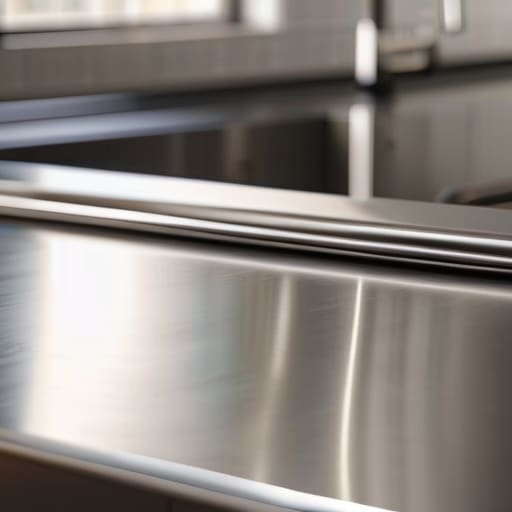
How to Get a Streak-free Shine on Stainless Steel
Stop buying those overpriced, specialized “stainless steel polishes” that promise a showroom shine but really just leave a greasy film that attracts more fingerprints. I spent way too much of my early freelance checks on fancy sprays before I realized they were just expensive ways to complicate a simple task. If you’re looking for a masterclass on how to clean stainless steel using a dozen different chemical concoctions, you’re in the wrong place. Most of those products are just marketing fluff designed to make you feel like you need a professional kit to handle a few smudge marks on your fridge.
I’m not here to give you a chore that eats up your entire Saturday. Instead, I’m going to show you a system that relies on basic stuff you probably already have in your pantry. We’re focusing on minimal effort and maximum results so you can spend your time doing something actually meaningful. I’ll walk you through the exact, repeatable steps I use to keep my own kitchen looking sharp without the unnecessary friction. Let’s get your surfaces back to normal and get on with your life.
Table of Contents
Removing Fingerprints From Stainless Steel Without the Scrubbing
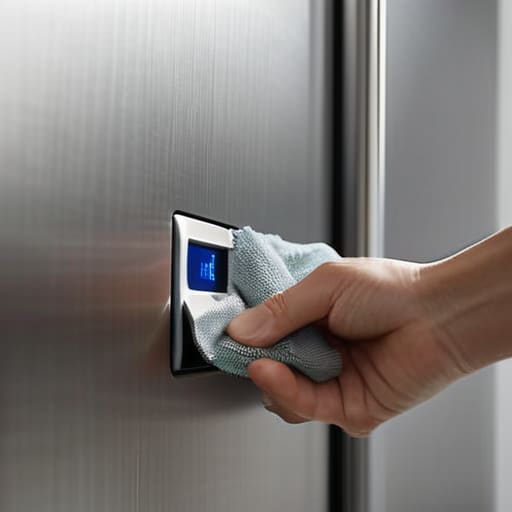
If you’ve ever walked into your kitchen only to see a dozen greasy smudges staring back at you from the fridge, you know the frustration. You don’t need a heavy-duty degreaser or a ten-minute ritual; you just need to stop the friction. The trick to removing fingerprints from stainless steel without leaving behind a mess of swirl marks is all about the cloth and the direction. I always check which way the grain runs on my appliances first. If you scrub against it, you’re just pushing the oils deeper into the microscopic grooves of the metal.
Instead of reaching for those expensive, chemical-heavy sprays, I keep it simple. Grab a microfiber cloth—not a paper towel, which can be abrasive—and a bit of diluted white vinegar. Wipe in the direction of the grain to lift the oils. Once the surface is dry, if it still looks a little dull, a single drop of olive oil on a fresh cloth can work wonders. It’s one of my favorite stainless steel cleaning hacks because it polishes the surface while creating a thin, invisible barrier that makes the next set of fingerprints much easier to wipe away.
The Best Cleaning Products for Steel Surfaces That Actually Work
Look, you don’t need a cabinet full of specialized, overpriced sprays that promise a “miracle shine” but mostly just leave a sticky residue behind. Most of those commercial cleaners are just scented water designed to eat into your margins. If you want to find the best cleaning products for steel surfaces, stick to the basics. A high-quality dish soap diluted in warm water is your first line of defense for general grime. It cuts through grease without being aggressive, which is crucial for avoiding scratches on metal surfaces that you’ll have to look at every single day.
If you’re dealing with stubborn spots or want that deep, showroom luster, I usually go the DIY route. I’ve found that cleaning stainless steel with vinegar and oil is the most efficient system I’ve ever used. The white vinegar breaks down the mineral deposits and streaks, and a tiny drop of olive oil or mineral oil on a dry cloth is how you polish stainless steel appliances to a professional finish. It’s cheap, it’s effective, and it doesn’t require a chemistry degree to execute.
Five Rules to Stop Fighting Your Appliances
- Always wipe in the direction of the grain. If you look closely, your steel has a subtle pattern; if you scrub against it, you’re just trapping dirt in the microscopic grooves and making the smudges look worse.
- Ditch the paper towels. They leave behind those tiny white lint trails that drive me crazy. Grab a single high-quality microfiber cloth instead—it picks up the grime and dries the surface in one pass.
- Never, ever use steel wool or abrasive sponges. You’ll end up with permanent scratches that no amount of cleaning will ever fix, and once that finish is gone, it’s gone for good.
- Keep a spray bottle of diluted white vinegar in your cleaning kit. It’s cheap, it actually cuts through grease, and it doesn’t leave behind that heavy, chemical smell that lingers in a small apartment.
- Buff it out at the end. Once the surface is clean, use a dry part of your cloth to do one quick, light pass. It’s the difference between a surface that looks “washed” and one that actually looks polished.
Keep It Simple, Keep It Clean
At the end of the day, maintaining your kitchen shouldn’t feel like a second job. You don’t need a cabinet full of specialized chemicals or an hour of your Saturday to deal with a smudged fridge. Just remember: grab the microfiber cloth, use a bit of vinegar or a decent cleaner, and always wipe with the grain to avoid those annoying streaks. If you focus on these small, quick touch-ups rather than waiting for the grime to build up, you’ll find that maintaining your space actually takes less effort than letting it get out of control.
I know what it’s like to feel overwhelmed by the sheer amount of “maintenance” life demands of us. When you’re working freelance or balancing a dozen different tasks, the last thing you want to do is battle a stubborn stain on your stovetop. But there is a certain kind of quiet satisfaction in a clean, functional kitchen. It’s not about achieving some impossible Pinterest standard of perfection; it’s about creating an environment that serves you instead of adding to your mental clutter. Build these small habits now, and you’ll spend less time scrubbing and more time actually living your life.
Frequently Asked Questions
Is it actually safe to use dish soap, or am I going to leave a film on my appliances?
It’s safe, but only if you’re smart about it. If you use a heavy, scented dish soap, you’re definitely going to end up with a greasy film that makes the steel look cloudy. My rule is simple: use a tiny drop of mild, clear soap in warm water. Most importantly, you have to rinse it thoroughly and buff it dry immediately with a microfiber cloth. If you leave it to air dry, you’ve already lost.
How do I know which way the grain runs so I don't end up scratching the surface?
It’s easy to miss if you aren’t looking for it, but the grain is basically just the direction of the microscopic lines in the metal. Run your finger lightly across the surface—it’ll feel smoother in one direction and slightly “toothy” or rougher in the other. That rougher direction is your grain. Once you find it, always wipe or scrub parallel to those lines. Going against them is how you end up with permanent scratches.
Can I use these same methods on my stainless steel sink, or is that a different beast entirely?
It’s basically the same beast, just a slightly more aggressive one. Since sinks collect food scraps and standing water, they deal with more grime than a fridge door. You can use the same vinegar and microfiber trick for the shine, but I’d recommend a quick scrub with a bit of dish soap first to clear out the actual dirt. Once it’s clean, hit it with the vinegar to prevent those annoying water spots.