Tricks to Make Small Rooms Feel Much More Spacious
I grew up in a two-bedroom apartment where the “living room” was basically just a hallway with a TV stuck to the wall. I spent a lot of my childhood trying to figure out how to make a small room look bigger without actually having the budget to move to a different zip code. Most of the advice you see online is total nonsense—it’s always some expensive designer telling you to buy a specific marble coffee table or install custom floor-to-ceiling shelving that costs more than my monthly rent. Honestly, if a tip requires a massive credit card limit to work, it isn’t a solution; it’s just a sales pitch.
I’m not here to sell you on a lifestyle you can’t afford. Instead, I want to share the actual, low-effort systems I use to keep my own space from feeling like a claustrophobic box. We’re going to focus on small, repeatable wins—things like lighting placement, clearing visual clutter, and using scale to your advantage. No fluff, no expensive renovations, and definitely no time-wasting “hacks” that leave you more stressed than when you started. Let’s just get your space working for you.
Table of Contents
Using Mirrors to Expand Space Without the Stress
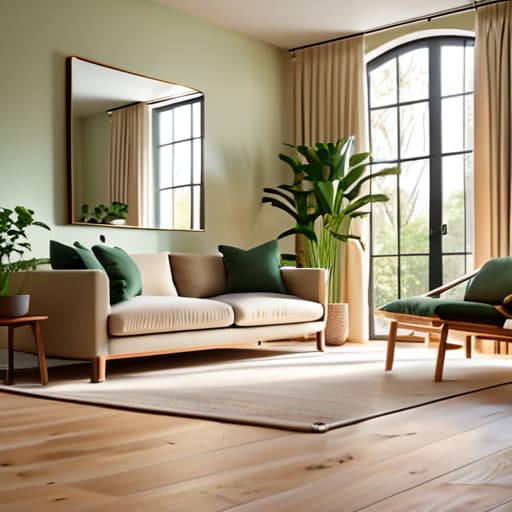
Look, I’m not going to tell you to buy a massive, gold-leafed floor mirror just because an interior design magazine said so. That’s just more stuff to move when you rearrange your layout. The real trick to using mirrors to expand space is all about placement and light. If you have a window, hang a mirror directly opposite it. It catches the natural light and bounces it into the darker corners of the room, which instantly kills that “boxed-in” feeling.
Don’t overthink the aesthetic, either. You don’t need a centerpiece; you just need reflection. If you’re working with a tight budget, even a few smaller, inexpensive mirrors placed strategically near a doorway can create the illusion of depth. It’s one of those simple interior design tricks for tiny rooms that actually works without requiring a weekend of heavy lifting. Just remember: if the mirror is reflecting a pile of laundry or a messy desk, you haven’t actually solved the problem—you’ve just doubled the visual clutter. Keep the reflection intentional.
Light Color Palettes for Small Spaces That Actually Work
Look, I’m not telling you to live in a sterile, all-white hospital ward. That’s not a home; that’s a waiting room. But if you’re fighting for every square inch, you have to be smart about your base colors. The goal is to reflect light, not absorb it. When you stick to light color palettes for small spaces—think soft creams, muted greys, or pale sage—the walls feel like they’re receding rather than closing in on you. It’s one of those basic interior design tricks for tiny rooms that actually delivers on its promise without requiring a renovation.
If you want to take it a step further, try to keep your larger pieces, like your sofa or bookshelves, in a similar tonal family as your walls. When the furniture blends into the background instead of creating harsh, dark outlines, you’re effectively minimizing visual clutter. It creates a seamless flow that tricks your brain into seeing more continuous space. You don’t need a massive budget for this; you just need to stop choosing high-contrast colors that chop your room into tiny, suffocating segments.
Five Low-Effort Moves to Reclaim Your Square Footage
- Stop buying bulky furniture. If it’s a massive, overstuffed velvet sofa that eats up half your floor plan, it’s not a piece of furniture—it’s an obstacle. Opt for pieces with exposed legs; seeing the floor continue underneath a chair or a bed makes the room feel like it has actual room to breathe.
- Get your stuff off the floor. When every surface is cluttered, the room shrinks. Use vertical space—floating shelves, wall-mounted hooks, or tall, narrow bookcases—to move your gear upward. If it’s sitting on the floor, it’s taking up visual real estate you can’t afford to lose.
- Use the “one-in, one-out” rule for decor. I learned this growing up in a tiny apartment: every time you bring a new book, a plant, or a gadget into the room, something else has to go. It prevents that slow, creeping feeling that your walls are closing in on you.
- Pull your curtains up high. Most people hang curtain rods right at the window frame, which cuts the room in half visually. Hang them as close to the ceiling as possible and let them hit the floor. It tricks the eye into thinking your ceilings are much higher than they actually are.
- Create “zones” instead of using dividers. Don’t use heavy room dividers or tall bookshelves to split a studio; they just create more visual walls. Instead, use a rug or a different lighting setup to define where your “office” ends and your “living room” begins. It keeps the sightlines open.
Small Wins, Big Impact
Look, we aren’t trying to redesign a penthouse here; we’re just trying to stop the walls from closing in. By leaning into lighter colors, strategically placing mirrors to bounce that limited natural light, and cutting out the visual clutter that eats up your floor space, you’re creating breathing room where there wasn’t any before. It isn’t about buying a bunch of expensive “space-saving” gadgets that end up in a junk drawer. It’s about intentionality—choosing pieces that serve a purpose and keeping your surfaces clear enough to actually breathe.
At the end of the day, your home should be a place that recharges you, not a source of low-grade anxiety every time you walk through the door. You don’t need a massive square footage upgrade to feel like you have space; you just need a system that works for you. Start with one corner, one wall, or one shelf. Small, repeatable changes are how you build a living space that feels intentional rather than accidental. Stop overthinking the floor plan and just start clearing the path.
Frequently Asked Questions
Should I go for one massive floor mirror or a bunch of smaller ones scattered around?
Go for the one massive floor mirror. Honestly, scattering small ones around just creates visual clutter, which is the exact opposite of what you’re trying to do. A single, large mirror acts like a fake window; it creates a deep sense of actual space and reflects light more effectively. It’s a cleaner, more intentional look that serves the room without making it feel like a hall of mirrors. Keep it simple.
Is it worth investing in expensive light-colored furniture, or can I just paint the walls and call it a day?
Look, don’t drop a month’s rent on a designer cream-colored sofa just to “brighten” the room. Painting your walls is the highest ROI move you can make—it changes the entire baseline of the space for cheap. If you have the budget, go for light furniture, but it’s not a requirement. Focus on keeping your existing pieces decluttered and maybe swap out dark, heavy textiles for lighter ones. Paint first; buy furniture later.
How do I handle heavy, dark furniture that I already own without making the whole room feel like a cave?
Don’t toss it—that’s a waste of money. Instead, try to “lift” the weight. If it’s a heavy dresser or sofa, swap out the legs for something slimmer or tapered to create more visual floor space. Use light-colored textiles—a cream throw or a pale linen cushion—to break up the dark mass. Most importantly, pull the piece a few inches away from the wall. Giving it room to breathe stops it from swallowing the room.