Set Up a Dedicated Drop Zone to Stop Losing Your Keys
Stop wasting money on those massive, custom-built mudroom benches you see on Instagram. Most of those “aesthetic” solutions are just expensive ways to hide the fact that you don’t have a plan, and frankly, they usually end up becoming nothing more than expensive clutter magnets. I grew up in a tiny apartment where every square inch had to earn its keep, and I learned early on that real home entry organization isn’t about buying a matching set of wicker baskets; it’s about creating a friction-less path from your front door to your couch. If your current setup requires a PhD in interior design just to hang up your keys, you’ve already lost the battle.
I’m not here to sell you on a lifestyle overhaul or a trip to a high-end boutique. Instead, I’m going to show you how to build a few low-effort systems that actually work for people with real lives and limited space. We’re going to focus on high-utility, low-cost setups that stop the morning chaos before it starts. My goal is to help you reclaim that small slice of your home so you can stop fighting your front door and start actually enjoying walking through it.
Table of Contents
Small Entryway Decluttering Tips for Real Life
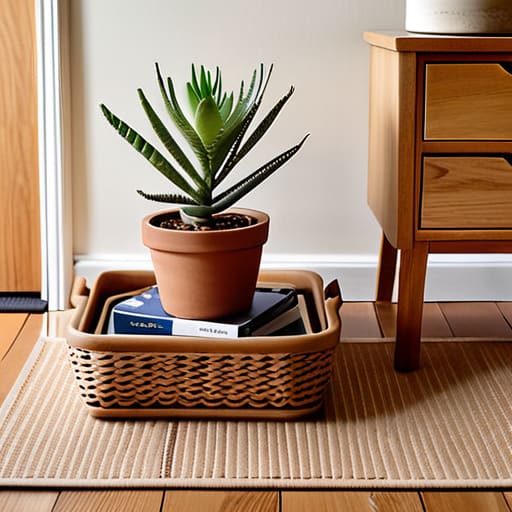
First, stop treating your entryway like a museum. If you have a pile of shoes or a stack of unopened mail sitting on the floor, you haven’t failed; you just haven’t built a landing pad for them yet. My approach to small entryway decluttering tips is pretty blunt: if an item doesn’t have a designated “home” within arm’s reach of the door, it’s going to end up on the floor. Start by clearing everything out and only bringing back what you actually use daily. If you haven’t worn those heavy boots since last November, they don’t belong in your primary entryway.
Once you’ve cleared the chaos, focus on verticality. Most of us don’t have the luxury of a massive mudroom, so we have to get smart with what we do have. I’m a big fan of an entryway bench with storage—it solves two problems at once by giving you a place to sit and a way to hide the visual noise of seasonal gear. If you’re tight on space, even just a few sturdy hooks and a single basket for organizing mail and small items can stop the daily “where are my keys?” scavenger hunt before it even starts.
Smart Mudroom Storage Solutions That Actually Work
If you’re looking for a massive built-in unit with custom cabinetry, stop. Unless you’re living in a farmhouse, that’s just expensive clutter waiting to happen. Instead, look for mudroom storage solutions that prioritize vertical space and accessibility. I’m a big fan of the entryway bench with storage approach. It’s a double win: you get a place to sit while you’re wrestling with boots, and the cubby underneath hides the visual chaos of mismatched shoes. It keeps the floor clear, which is the quickest way to make a cramped apartment feel breathable.
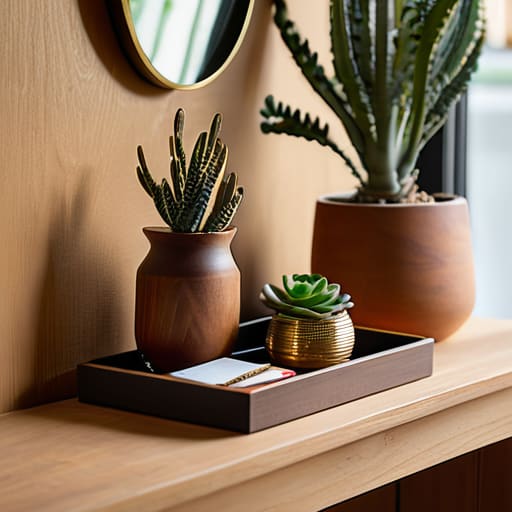
For the stuff that usually ends up scattered on the kitchen counter, you need a dedicated landing strip. I keep a small, heavy tray near the door specifically for organizing mail and small items like loose change or my keys. If you have a bit more wall real estate, a simple wall-mounted rack with hooks can act as a makeshift command center. The goal isn’t to make it look like a showroom; it’s to create a system where everything has a “home” so you aren’t playing hide-and-seek with your essentials every morning.
Five Low-Effort Systems for Your Entryway
- Stop the “chair pile” by giving every person in the house one designated hook. If it doesn’t have a hook, it doesn’t belong in the entryway.
- Use a single, heavy-duty tray for your keys, wallet, and loose change. If you have to hunt for your keys for more than ten seconds, the system is broken.
- Ditch the decorative baskets that just collect dust and junk; get a slim, vertical mail organizer so your bills don’t become a permanent part of your entryway table.
- Invest in a heavy-duty door mat that actually absorbs moisture. It’s a small upfront cost that saves you from the constant cycle of cleaning grit off your floors.
- Set a “Sunday Reset” rule where you spend exactly three minutes clearing out any trash or stray items that migrated to the entryway during the week.
Keeping the Momentum
At the end of the day, organizing your entryway isn’t about achieving some sterile, showroom aesthetic that you can’t maintain once life actually happens. It’s about the small, practical wins: having a designated spot for your keys so you aren’t frantic ten minutes before a meeting, and using baskets to catch the mail instead of letting it migrate to your kitchen table. We covered how to declutter without the overwhelm and how to pick storage solutions that actually fit your floor plan rather than just looking good in a photo. Remember, the goal is to build a system that handles the chaos of your daily routine so you don’t have to.
Don’t feel like you have to overhaul the entire apartment by Sunday night. Start with one single basket or one sturdy hook by the door. If that works for a week, add the next thing. Real organization is a slow build, not a sudden renovation. I’ve learned that the most effective systems are the ones that are so simple they feel almost too easy to maintain. Focus on making your transition from the outside world to your sanctuary as seamless as possible. Your home should serve you, not the other way around.
Frequently Asked Questions
How do I keep the entryway from becoming a graveyard for shoes if I don't have a dedicated mudroom?
If you don’t have a mudroom, stop trying to find a “perfect” spot and just create a boundary. I use a low, sturdy wooden bench with an open shelf underneath. It keeps the shoes contained in one zone instead of drifting into the living room. If the shelf gets full, you’re over-buying. Stick to one pair per person out, and everything else goes in a closed bin in the closet. Keep it contained, or it’ll take over.
What’s the best way to organize mail so it doesn't just pile up on the first surface I see?
The “first surface” is a trap. If you don’t have a designated landing zone, the mail will always win. Don’t bother with fancy, multi-tiered organizers that take forever to sort. Just grab a single, heavy-duty tray or a slim wall-mounted file right by the door. The rule is simple: open it immediately. Trash the junk, file the bills, and move the rest. If it doesn’t have a home, it shouldn’t be in your house.
I have almost zero floor space—are there ways to use wall storage without making the whole place look cluttered?
If you’re working with zero floor space, stop looking down and start looking up. The trick to using walls without making your place look like a hardware store is visual cohesion. Stick to a single material—like matte black metal or light wood—and keep the profiles slim. Use floating shelves for your keys and mail, and maybe a few sleek, minimalist hooks. If everything matches, it looks like a design choice rather than clutter.