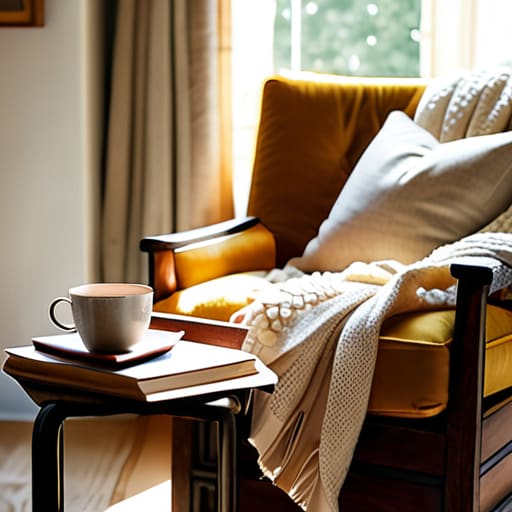
How to Build a Cozy Reading Nook Anywhere in Your House
I spent most of my childhood trying to find a single quiet corner in a cramped apartment that didn’t feel like I was tripping over someone else’s laundry. It taught me early on that you don’t need a massive library or a dedicated sunroom to actually escape into a book; you just need a sense of intention. Most of the cozy reading nook ideas you see on social media are just expensive setups designed for a photo op, not for actual reading. They demand a level of “aesthetic perfection” that feels more like a chore than a way to unwind, and honestly, that’s not sustainable.
I’m not interested in suggesting furniture that costs three months of rent or renovation projects that require a contractor. Instead, I want to show you how to reclaim a few square feet of your current space using a few intentional, low-effort pieces. In this list, I’m breaking down five specific items that will help you build a functional sanctuary that actually fits your budget and your lifestyle. We’re going to focus on small, repeatable wins that turn a random corner into a place where you can actually shut out the world and just breathe.
Table of Contents
The Floor-Level Sanctuary
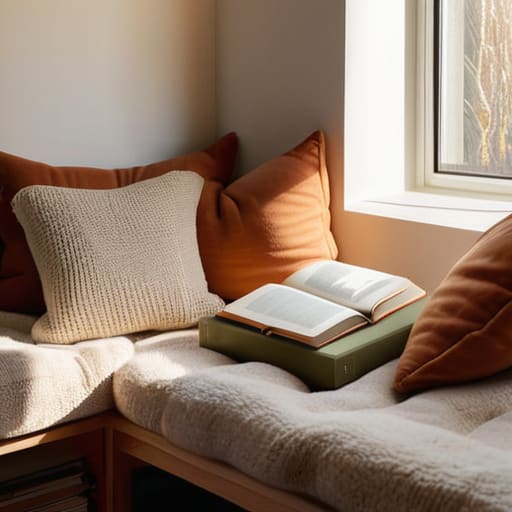
I grew up in a place where “extra space” was a myth, so I learned early on that you don’t need a dedicated room to create a retreat. If you don’t have the square footage for a reading chair, look down. A thick rug, a couple of oversized floor pillows, and maybe a low-profile coffee table can turn a random corner into a functional zone. It’s about defining the boundaries of the space without needing walls.
Lighting That Doesn't Scream
Nothing kills a reading mood faster than the harsh, overhead “big light” that makes your apartment feel like a sterile office. To make a nook work, you need layers. I’m a big fan of the clip-on reading lamp or a simple, dimmable floor lamp tucked into a corner. You want light that hits the page, not your entire ceiling, creating a small pool of warmth that makes the rest of the room fade away.
The Minimalist Shelf System
You don’t need a massive, floor-to-ceiling library to feel like a reader. In fact, a cluttered bookshelf can actually make a small nook feel claustrophobic rather than cozy. I prefer using a few floating shelves or a small, sturdy ladder shelf to keep my current reads within arm’s reach. This keeps the floor clear and prevents the “visual noise” that comes with too much furniture.
Tactile Comfort Over Aesthetics
Social media will try to convince you that a reading nook needs to look like a professional interior designer staged it with linen throws and expensive ceramics. Ignore that. A real nook is about how things feel against your skin. I’m talking about a heavy cotton throw or a single well-worn pillow that actually supports your back when you’ve been sitting for an hour.
The Zero-Distraction Station
A nook isn’t a sanctuary if your phone is buzzing next to you every thirty seconds. To make this work, you need a designated spot for your tech to live outside of your immediate reach. A small basket or a dedicated side table can serve as a “docking station” where your devices go to sleep while you read.
The Bottom Line
At the end of the day, building a reading nook isn’t about following a Pinterest blueprint or buying a velvet armchair you can’t actually afford. It’s about the small, intentional choices—the dimmable lamp that kills the harsh overhead glare, the single floor pillow that makes a corner usable, or the way you clear a tiny bit of space just for yourself. Whether you’re working with a massive living room or a cramped studio apartment like the one I grew up in, the goal is the same: create a spot that actually serves your need for quiet. You don’t need a renovation; you just need a functional sanctuary that works with the space you already have.
Don’t let the “aesthetic” side of things paralyze you into doing nothing. Perfection is just another way to waste time, and honestly, a pile of books on a mismatched chair is better than a beautiful corner that stays empty because you were too busy trying to get it “right.” Focus on the repeatable wins—the small setup that makes you actually want to sit down and disconnect for twenty minutes. Your space should adapt to your life, not the other way around. Build your corner, grab your book, and get offline.
Frequently Asked Questions
How do I make a reading nook feel cozy if my apartment is too small for a dedicated chair?
If you don’t have the square footage for a dedicated armchair, stop trying to force one into your layout. It just makes the room feel cluttered. Instead, look at your floor. A thick, high-quality rug or even a structured floor cushion can create a “zone” without the physical footprint of furniture. Pair it with a small, clip-on reading light and a nearby ledge for your coffee. It’s about defining the space, not filling it.
What are some cheap ways to get decent lighting without having to rewire anything?
Skip the electrician and the expensive renovations. If you want decent light without touching a single wire, go for plug-in floor lamps or smart bulbs. I’m a big fan of LED strips tucked behind a desk or along a bookshelf—they add depth without the clutter. Also, grab a couple of cheap clip-on lamps; you can attach them to shelves or headboards to create focused task lighting wherever you actually need it.
How do I keep a reading corner from just becoming another cluttered corner in my living room?
The trick is to treat your nook like a dedicated zone, not a catch-all for random stuff. If it doesn’t serve the “reading” purpose, it doesn’t belong there. I use a small, dedicated basket for my current books and a single tray for my tea or coffee. If a pile of mail or a stray charging cable starts creeping in, it’s already lost the battle. Keep the footprint small and the utility high.