The Secret to Cooking Fluffy Rice Every Time
I used to think I needed a $200 high-tech rice cooker or a degree in culinary arts to stop eating mushy, gluey clumps of starch. Growing up in a small apartment where every cent of the grocery budget mattered, I couldn’t afford to waste ingredients on failed meals. I spent way too many nights staring at a pot of overcooked grain, wondering why the “expert” tutorials online made it look so easy when my reality was a sticky, unappetizing mess. If you’re tired of the overcomplicated fluff and just want to know how to cook rice perfectly without buying a single piece of unnecessary gadgetry, I get it.
I’m not here to give you a lecture or a list of “chef secrets” that require a kitchen full of specialized tools. Instead, I’m going to show you a repeatable system based on simple ratios and basic physics that works every single time. We’re going to strip away the nonsense and focus on the few small adjustments that actually matter. By the end of this, you’ll have a reliable method that keeps your meals consistent and your kitchen routine efficient, allowing you to spend less time hovering over a stove and more time actually living your life.
Table of Contents
Mastering the Rice to Water Ratio Without the Math
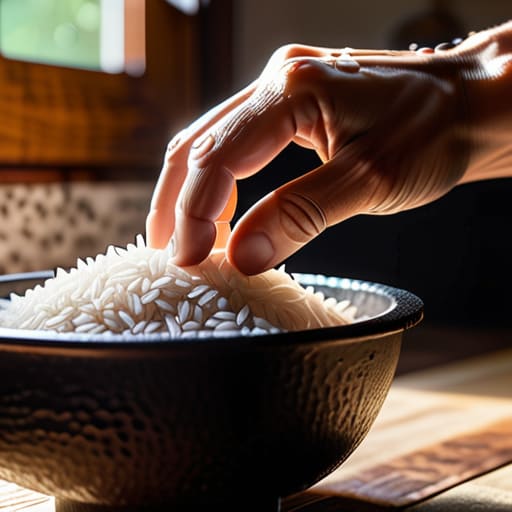
Most people get hung up on measuring cups and precise milliliters, but that’s a recipe for unnecessary mental clutter. If you’re staring at a cookbook trying to calculate ratios for a specific grain, you’ve already lost the battle. I prefer the knuckle method—it’s an old-school trick that works because it accounts for the actual volume of rice in the pot, not just a theoretical number on a page.
First, get your grain in the pot and start rinsing white rice under cold water until the liquid runs clear. This is non-negotiable if you want to avoid that gummy, starchy mess. Once it’s rinsed, flatten the rice out so it’s level. Place your index finger tip right on the surface of the grain. Add water until it reaches the first joint of your finger. It sounds primitive, but it’s a reliable system that works whether you’re using a pot or testing out the best rice cooker settings. It takes the guesswork out of the process and lets you get back to whatever you were actually doing.
Rinsing White Rice to Save Your Sanity and Texture
If you skip this step, you aren’t just being lazy; you’re essentially inviting starch to turn your dinner into a gummy, unappetizing paste. Most of the excess surface starch sits on the grain itself, and if you don’t wash it away, that starch dissolves into the water and creates a glue-like consistency. Rinsing white rice isn’t some culinary ritual for foodies; it’s a functional necessity if you want to avoid mushy rice that sticks to the bottom of the pot.
I usually just dump the rice into a fine-mesh strainer and run cold water over it until the water running out the bottom looks clear rather than milky. It takes maybe sixty seconds, which is a tiny price to pay for better texture. If you’re cooking jasmine rice, this step is even more non-negotiable because that specific variety is prone to clumping. Don’t overthink it—just rinse, drain, and get back to whatever you were doing. It’s a small, repeatable win that makes the final result actually worth eating.
Five Small Tweaks for Better Rice (And Less Cleanup)
- Stop using the same spoon for everything. If you’re stirring the rice while it’s cooking, you’re breaking the grains and turning your dinner into mush. Just let it sit.
- Get a heavy-bottomed pot if you can. I learned this the hard way growing up—thin pots create hot spots that burn the bottom layer before the top is even warm. A little weight goes a long way.
- Don’t touch the lid. Once that steam starts building, leave it alone. Every time you peek to see if it’s “done,” you’re letting out the heat and messing with the texture.
- The “Rest” is non-negotiable. When the timer goes off, turn off the heat and let it sit, covered, for ten minutes. It allows the moisture to redistribute so the bottom isn’t soggy and the top isn’t dry.
- Use a fork, not a spoon, to fluff. A spoon smashes the grains; a fork gently separates them. It’s a tiny difference that makes the whole bowl feel lighter.
Stop Overthinking the Pot
At the end of the day, cooking rice shouldn’t feel like a chemistry experiment or a high-stakes chore. You’ve got the basics down now: stop obsessing over precise milliliter measurements and just trust the ratio that works for your specific pot. Remember to give that rice a quick rinse to clear out the excess starch so you aren’t dealing with a gummy mess, and once the water is absorbed, let it sit. That final resting period is where the magic happens—it’s the difference between a mushy disaster and perfectly fluffy grains every single time.
I know life gets loud and your to-do list is probably a mile long, but don’t let the small things like a basic staple meal become another source of stress. Mastering something as simple as rice is about more than just food; it’s about building those small, repeatable wins that make your daily routine feel a little more under control. You don’t need a gourmet kitchen or an expensive setup to eat well. You just need a system that works for you, so you can spend less time hovering over the stove and more time actually enjoying your life.
Frequently Asked Questions
What do I do if I accidentally add too much water and end up with mush?
If you realize the water is too high before you even start the heat, just drain the excess through a fine-mesh strainer. If the rice is already cooked and sitting there like mush, you’ve got two options. You can try spreading it thin on a baking sheet to let the moisture evaporate in the oven, or—my personal favorite—lean into the mistake. Turn it into a crispy rice bowl or congee. Don’t fight the texture; just change the dish.
Do I really need to use a specific type of pot, or will any old saucepan work?
Honestly, any saucepan with a tight-fitting lid works. You don’t need some expensive Dutch oven or a specialized rice cooker to get this right. Just make sure the lid actually stays put; if steam escapes, your ratio is ruined and you’ll end up with a crunchy mess. If you’re using a pot with a loose lid, just keep an eye on it. Don’t overthink the gear—focus on the heat and the seal.
How can I tell if the rice is actually done without constantly opening the lid and letting the steam out?
Stop playing peek-a-boo with the lid. Every time you lift it, you’re killing the steam and messing with the temperature, which is exactly how you end up with crunchy centers. Instead, use your senses. Once the timer is up, turn off the heat and just listen. If you hear a faint, rhythmic crackling or sizzling, the water is gone. If it sounds quiet, give it five minutes to rest—the carryover steam does the heavy lifting for you.