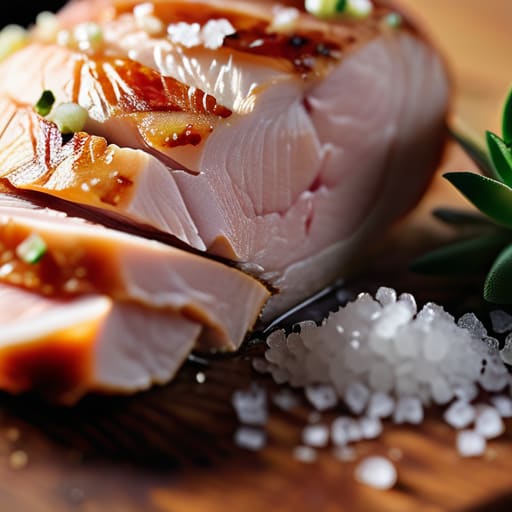
The Secret to Juicy, Never-dry Chicken Breast
I grew up in a house where we didn’t have the luxury of “slow-cooking” or expensive sous vide machines; we had a single burner and a grocery budget that required making every cent count. I spent way too many years eating chicken that had the texture of a discarded flip-flop because I was following those overly ambitious, twenty-step recipes you see on social media. Honestly, most of the advice out there on how to cook chicken breast is just noise designed to sell you tools you don’t need. You don’t need a kitchen full of gadgets to get a decent meal; you just need to stop treating a basic protein like a high-stakes science experiment.
I’m not here to give you a culinary lecture or a list of ingredients that will cost more than the chicken itself. My goal is to give you a repeatable system that ensures your protein is actually juicy and flavorful without turning your kitchen into a disaster zone. I’ll show you how to master the pan, keep the cleanup minimal, and get back to your life in under twenty minutes. This is about functional eating—getting the job done right so you can stop worrying about dinner and start focusing on everything else.
Table of Contents
The Best Way to Season Chicken Without the Mess
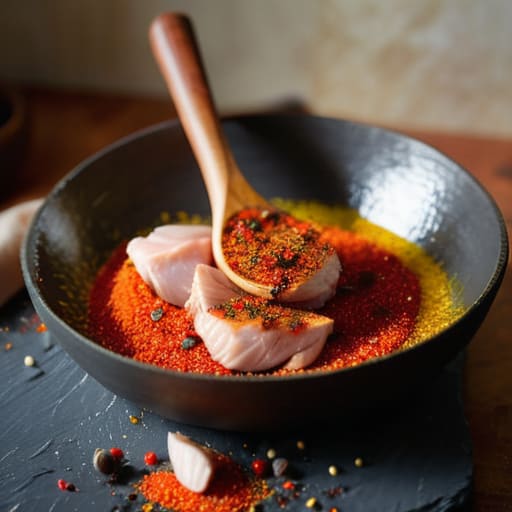
I used to be the person who would dump spices directly from the shaker onto the raw meat, leaving a trail of paprika across my entire counter. It’s a mess, it’s inefficient, and it’s a waste of good seasoning. Instead, I’ve moved to a “prep bowl” system. Before you even touch the pan, toss your protein into a small glass bowl and add your oil and spices there. This is the best way to season chicken because it ensures every inch is coated evenly without you having to chase individual grains of salt around a cutting board.
Once everything is prepped, you can move straight into your pan-seared chicken breast technique. By coating the meat in a thin layer of oil and spices in the bowl first, you’re actually creating a barrier that helps with preventing dry chicken breast later on. The oil carries the flavor deep into the surface, and you won’t end up with burnt, gritty spices stuck to the bottom of your skillet. It keeps the cleanup minimal and the flavor consistent, which is exactly how a kitchen should work.
Mastering the Pan Seared Chicken Breast Technique Fast
Forget the elaborate recipes you see on social media. The real secret to a solid pan-seared chicken breast technique is managing heat and patience, not a dozen different spices. Start with a heavy pan—cast iron is my go-to because it holds heat like a champ—and get it hot before the oil even touches the surface. Once the chicken hits the pan, leave it alone. If you start poking and prodding it, you’re just losing that golden-brown crust that actually holds the moisture in.
The biggest mistake I see is people guessing when it’s done. If you want to stop the cycle of eating rubbery, flavorless meat, you need to invest in a cheap digital thermometer. Stop eyeballing it. You’re looking for an internal temperature for chicken of 165°F (74°C). Once you hit that mark, pull it off the heat immediately and let it rest on a cutting board for five minutes. This isn’t just “chef talk”; it’s the only real way of preventing dry chicken breast so the juices actually stay in the meat instead of running all over your plate.
5 Small Wins for Better Chicken
- Stop washing your meat in the sink. It doesn’t kill bacteria; it just sprays it all over your kitchen counters and creates a cleaning task you didn’t need. Just pat it dry with a paper towel and move on.
- Get your chicken out of the fridge 15 minutes before you cook. If the meat is ice-cold when it hits the pan, the outside will burn before the middle even thinks about cooking through.
- Buy a cheap instant-read thermometer. Guessing based on color is how you end up with dry, rubbery protein. Pull it off the heat at 160°F; carryover cooking will bring it to 165°F while it rests.
- Let it rest. If you cut into that chicken the second it leaves the pan, all the moisture runs out onto the plate. Give it five minutes of peace so the juices stay inside the meat.
- Don’t crowd the pan. If you throw four breasts in a small skillet at once, they’ll steam instead of sear. Cook in batches if you have to—it’s better to spend an extra five minutes than to eat a soggy, grey mess.
Get Out of the Kitchen
At the end of the day, cooking a decent chicken breast shouldn’t feel like a high-stakes chemistry experiment or a massive cleanup project. You’ve got the seasoning system down to minimize the mess, and you know how to hit that perfect sear without turning your kitchen into a smoke zone. It’s about consistency over complexity. Once you stop obsessing over every minute of cook time and start trusting the heat and your thermometer, you realize that good food is just a series of small, repeatable wins. You aren’t aiming for a Michelin star; you’re aiming for a meal that nourishes you without draining your energy.
Don’t let the fear of a dry piece of meat keep you stuck in the cycle of expensive, mediocre takeout. Mastering a single, reliable protein is one of the easiest ways to reclaim your time and your budget. Once this becomes muscle memory, you’ll find you have more mental bandwidth for the things that actually matter—whether that’s working on a side project or just finally relaxing on a Tuesday night. Build the system, eat the food, and get back to living your life.
Frequently Asked Questions
How do I stop it from turning into a dry, rubbery mess if I get distracted for a minute?
The second you lose focus, you lose the texture. To prevent that rubbery disaster, stop treating the pan like a “set it and forget it” appliance. Keep a meat thermometer on the counter—it’s the only way to be certain without cutting into the meat and letting the juices escape. Pull the chicken off the heat at 160°F (71°C). It’ll carry over to 165°F while resting. That five-minute rest is non-negotiable for moisture.
Can I do this in an air fryer or an oven if I don't want to deal with oil splatters on my stove?
If you’re trying to avoid the post-dinner stovetop scrub, go for the air fryer. It’s the ultimate low-effort win. Toss the seasoned chicken in, set it to 375°F, and give it about 12–15 minutes. It stays juicy without the grease clouds. If you’re doing a larger batch, use the oven on a sheet pan with parchment paper. It takes longer, but it’s a “set it and forget it” system that keeps your kitchen clean.
What’s the move if my chicken breasts are unevenly thick?
If your chicken is thicker at one end, stop trying to cook it as-is. You’ll end up with one side dry as sawdust and the other still raw. The move is a quick pound-down. Grab a heavy skillet or even a rolling pin, put the chicken between two sheets of parchment paper, and whack the thick part until the whole piece is a uniform thickness. It takes thirty seconds and ensures everything cooks evenly.