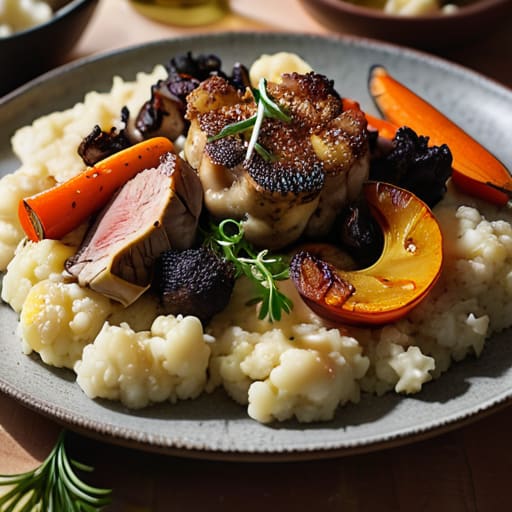
Meat-friendly Vegetarian Recipes Everyone Will Love
I used to think that eating vegetarian meant spending my entire Sunday afternoon prepping elaborate grain bowls or staring blankly at a pile of kale, wondering where it all went wrong. When you’re balancing a freelance schedule and trying to keep a small apartment from feeling like a chaotic mess, you don’t have time for “gourmet” projects that require twenty different spices and an hour of cleaning. The truth is, most people fail at plant-based eating because they try to replicate complex meat dishes instead of just building a reliable system. We need easy vegetarian recipes that actually respect our time and our limited grocery budgets, not more chores disguised as lifestyle choices.
In this post, I’m breaking down five specific, low-friction meals that I rely on when my energy is low but my standards for food are still high. These aren’t just random ideas; they are repeatable wins designed to keep your kitchen functional and your bank account intact. You’re going to learn how to assemble high-protein, flavorful dinners using pantry staples you likely already own, without needing a culinary degree or a massive cleanup. Let’s get into it.
Table of Contents
The One-Pot Chickpea Standard
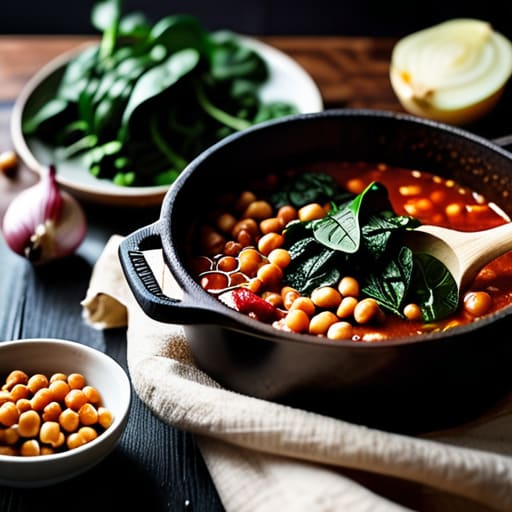
When I was living in that tiny studio apartment, I realized that washing dishes is the biggest barrier to actually eating well. This recipe is my go-to because it relies on a single heavy-bottomed pot and pantry staples that don’t expire. You just sauté some onions and garlic, toss in a can of chickpeas, a jar of decent marinara, and some spinach at the very end. It’s not gourmet, but it’s consistently reliable when you’re too tired to think.
Sheet Pan Roasted Veggie Bowls
Most people overcomplicate meal prep by trying to cook five different things at once. I prefer the “set it and forget it” approach of a sheet pan. Grab whatever vegetables are actually on sale—sweet potatoes, broccoli, bell peppers—chop them into uniform chunks, toss them in olive oil and salt, and let the oven do the heavy lifting. It’s about maximizing your time rather than spending it hovering over a stove.
The Upgraded Black Bean Quesadilla
We’ve all been there: it’s late, you’re hungry, and the fridge looks empty. Instead of just making a basic cheese quesadilla, I’ve turned this into a legitimate nutritional tool. I keep canned black beans and frozen corn in my pantry at all times because they are incredibly cheap and shelf-stable. Mash the beans slightly with some cumin and lime juice before spreading them on a tortilla; it creates a structural integrity that makes the whole thing feel more substantial.
Cold Soba Noodle Salads
I used to think “salads” meant sad, wilted lettuce, but buckwheat soba noodles changed my perspective. These are perfect for those days when you don’t even want to turn on the stove for more than five minutes. You boil the noodles, rinse them in cold water, and toss them with whatever crunchy raw veggies you have on hand—cucumber, shredded carrots, or edamame. It’s a refreshing pivot from the heavy, cooked meals we often default to.
Red Lentil Dal Basics
Red lentils are arguably the most underrated tool in a frugal kitchen. Unlike other legumes, they don’t require soaking and they break down into a creamy consistency in about twenty minutes. I usually simmer them with coconut milk, turmeric, and a bit of vegetable broth. It’s a dense, warming meal that feels much more expensive than it actually is, which is a nice psychological win when you’re sticking to a tight budget.
The Bottom Line
At the end of the day, these recipes aren’t about becoming a gourmet chef or following some rigid dietary dogma. It’s about the five systems we just talked about: building a pantry of versatile staples, mastering the art of the one-pan roast, and leaning on legumes to keep your costs low. If you can manage a single heavy-bottomed pan or a basic grain cooker, you have everything you need to stop relying on expensive, processed takeout. The goal is to create a reliable kitchen rhythm that works for you, even on those Tuesday nights when you’re too exhausted to think about anything other than sitting down.
Don’t feel like you have to overhaul your entire lifestyle by Monday morning. Start with just one of these meals—maybe the lentil stew or the roasted veggie grain bowl—and see how it fits into your week. Real stability comes from these small, repeatable wins that keep your energy up and your bank account intact. You don’t need a massive kitchen or a huge budget to eat well; you just need a few solid tools and a plan that doesn’t demand more time than you actually have to give. Stick to the systems, and let the rest take care of itself.
Frequently Asked Questions
How do I make sure I'm actually getting enough protein without spending a fortune on meat substitutes?
Stop chasing those expensive, over-processed “fake meats” that cost as much as a steak. They’re a marketing trap. If you want protein without the markup, lean on the basics: lentils, chickpeas, and canned beans. They’re dirt cheap and shelf-stable. I also swear by Greek yogurt and eggs—they’re versatile and actually filling. Build your meals around these staples, and you’ll hit your macros without draining your bank account. Keep it simple.
What are the best ways to meal prep these recipes so they don't turn into a soggy mess by Wednesday?
The trick is to stop treating “meal prep” like one giant, communal salad. If you mix everything in one bowl on Sunday, you’re basically eating mush by Wednesday. Instead, prep your components separately. Keep your grains, roasted veggies, and proteins in individual containers. Only combine them when you’re actually ready to eat. Also, keep dressings on the side—never pre-mix. It takes an extra thirty seconds, but it keeps the textures intact.
Can I adapt these for a kitchen with minimal equipment, like if I only have one pan and a single burner?
Absolutely. Honestly, some of my best meals have come from a single burner and a single pan. You don’t need a kitchen suite to eat well; you just need a bit of sequencing. Focus on “one-pan” logic—sauté your aromatics, add your protein/beans, then your veggies, and finish with your grain or starch in the same space. It keeps the cleanup minimal and the flavors concentrated. One pan, one burner, zero excuses.