
Easy Ways to Incorporate More Sustainability Into Your Home
I’m tired of seeing “eco-friendly living” marketed as a luxury hobby for people with massive backyards and even bigger bank accounts. Most of the advice you see online—like buying $40 glass spray bottles or spending your entire Saturday DIY-ing organic beeswax wraps—is just performative consumerism disguised as activism. If a way to live more sustainably requires you to spend more time and money than you actually have, it’s not a system; it’s a chore. I grew up watching my mom stretch every cent in a cramped apartment, so I have zero patience for eco friendly home tips that feel more like a second job than a practical way to live.
I’m not here to sell you a lifestyle overhaul or a collection of expensive bamboo gadgets. Instead, I want to share the low-effort, high-impact shifts I’ve integrated into my own space to keep things functional and lean. We’re going to focus on small, repeatable wins—the kind of adjustments that actually lower your utility bills and reduce your waste without requiring a single extra hour of your week. Let’s get your home in order without the burnout.
Table of Contents
Energy Efficient Home Improvements That Actually Pay Off
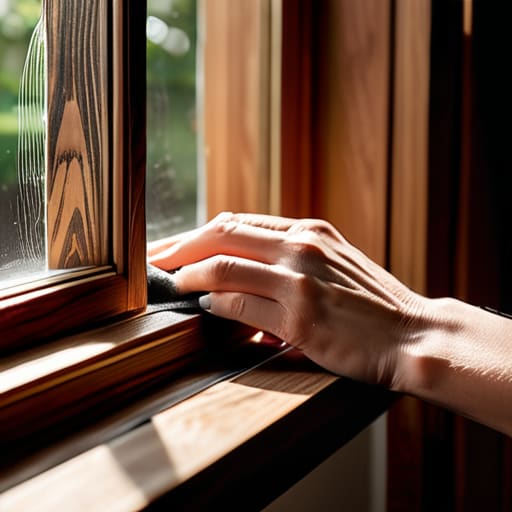
Look, I’m not going to tell you to rip out your entire HVAC system or install solar panels you can’t afford. That’s not a system; that’s a massive debt trap. If you want to actually reduce your household carbon footprint without a second mortgage, start with the stuff that leaks money through your walls. I spent a weekend last year sealing the gaps around my windows with simple weatherstripping. It cost me twenty bucks and about an hour of my time, but the difference in my heating bill was immediate. It’s one of those small, repeatable wins that actually makes sense.
Next, stop letting your water heater work overtime. If you aren’t already, turn the temperature down to about 120°F. Most factory settings are unnecessarily high, and you’re basically paying to heat water that just sits there. Pairing this with a few simple water conservation techniques for homes, like installing low-flow showerheads, keeps your utility costs from creeping up. These aren’t grand gestures of environmentalism; they’re just smart ways to manage your resources so you aren’t throwing cash down the drain.
Water Conservation Techniques for Homes Without the Stress
Look, I’m not going to tell you to install a graywater recycling system or build a rain garden if you’re living in a third-floor walk-up. Most advice on water conservation techniques for homes feels like it was written for someone with a backyard and a massive budget. If you’re in a small space, start with the low-hanging fruit: your showerhead and your faucet. Swapping out a standard showerhead for a high-efficiency model takes ten minutes and a wrench, but it drastically cuts your water usage without making you feel like you’re showering in a trickle. It’s one of those small, repeatable wins that actually shows up on your utility bill.
Another thing I’ve learned is to stop treating every task like it needs a fresh start. If you’re washing dishes by hand, don’t let the tap run the whole time; fill one basin with soapy water and another with rinse water. It’s a simple shift in your workflow that supports zero waste living at home by being mindful of resources rather than just buying more gadgets. It’s about building a system that respects your time and your wallet.
Low-Maintenance Swaps for a Smaller Footprint
- Stop buying paper towels. It’s a recurring cost that adds up, and honestly, it’s just more trash. Grab a pack of cheap cotton rags or use old t-shirts you were going to toss anyway. Keep them in a small basket under the sink. When they’re dirty, throw them in the wash. It’s a one-time setup that saves you money every single month.
- Ditch the single-use plastic wrap for leftovers. I started using beeswax wraps and a few glass containers I found at a thrift store. It’s more durable, looks better in the fridge, and you aren’t constantly fighting with a roll of plastic that never wants to stick to anything.
- Audit your lightbulbs without making it a whole “project.” If you’re still using old incandescent bulbs, swap them for LEDs as they burn out. Don’t go out and replace everything at once—that’s a waste of money and energy. Just make the switch incrementally as the old ones die.
- Simplify your cleaning cabinet. You don’t need twelve different specialized sprays for “granite,” “glass,” and “wood.” A decent multi-surface cleaner or even a mix of vinegar and water does 90% of the work. Fewer bottles mean less plastic waste and less clutter taking up space in your small kitchen.
- Buy your staples in bulk, but do it smart. Instead of a massive trip to a warehouse club that might lead to food waste, just identify your top three heavy hitters—like rice, oats, or coffee—and buy those in larger quantities. It cuts down on packaging and keeps your grocery budget predictable.
The Bottom Line
Look, we’ve covered a lot, but the takeaway shouldn’t be overwhelming. Whether it’s tightening up your energy usage to stop bleeding cash or making small tweaks to how you use water, these aren’t just “green” moves—they are smart financial decisions. You don’t need to overhaul your entire apartment or buy a fleet of expensive gadgets to make an impact. It’s about the small, repeatable swaps: the LED bulbs, the low-flow aerators, and the habit of actually turning things off when you leave the room. If you focus on these low-effort, high-impact systems, you’ll see your utility bills drop and your footprint shrink without feeling like you’ve taken on a second job.
At the end of the day, sustainability isn’t about achieving some impossible standard of perfection; it’s about intentionality. I grew up seeing how much waste happens when people don’t have a system in place, and I’ve learned that a little bit of planning goes a long way. Don’t let the pressure to be “perfectly eco-friendly” paralyze you into doing nothing at all. Just pick one thing from this list, implement it this week, and move on to the next. Build your life around systems that work for you, and the environmental wins will follow naturally.
Frequently Asked Questions
How much am I actually going to save on my utility bills if I make these changes?
Look, I’m not a math professor, and I’m not going to give you a spreadsheet of theoretical projections. Realistically? If you swap to LED bulbs and stop letting the tap run while you brush your teeth, you’ll see a noticeable dip in your monthly statements within two cycles. We’re talking maybe $20 to $50 a month depending on your setup. It’s not “quit your job” money, but it’s enough to cover a decent takeout night.
I live in a rental—what are some low-effort green swaps that won't get me in trouble with my landlord?
Look, I get it. You can’t exactly rip out the walls to install solar panels when you don’t own the place. Stick to the “plug and play” stuff. Swap your old bulbs for LEDs—they save money and you can take them with you when you move. Grab a high-quality showerhead with a low-flow setting; it screws right on and unscrews just as easily. These are small, reversible wins that don’t require a landlord’s permission.
Is it worth buying expensive "eco-friendly" branded products, or should I just stick to basic stuff I already have?
Stick to what you have. Most “eco-friendly” branded products are just clever marketing wrapped in a higher price tag. You don’t need a $20 bamboo dish brush when a used sponge or a basic wooden scrub brush does the same job for a fraction of the cost. Real sustainability isn’t about buying new “green” stuff; it’s about using less. If it isn’t broken, don’t replace it just because the packaging is recycled.