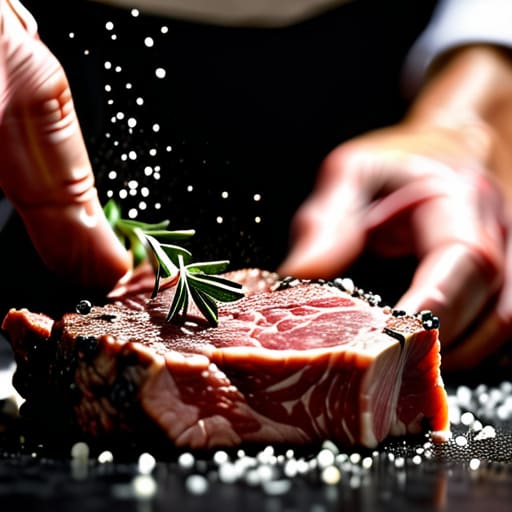
How to Season Your Food Like a Professional Chef
I spent most of my childhood watching my mom try to make a single pound of ground beef taste like a feast using nothing but whatever was left in the back of the pantry. I learned early on that you don’t need a twenty-step spice ritual or a cabinet full of artisanal salts to make something edible. Most cooking influencers make it seem like learning how to season food requires a chemistry degree and a massive grocery budget, but that’s just noise. If you’re staring at a bland chicken breast wondering why it tastes like wet cardboard, the problem isn’t your skill—it’s that you’ve been told the wrong rules.
I’m not here to sell you on expensive spice blends or complicated techniques that take longer to prep than the actual cooking. My goal is to give you a repeatable system for building flavor that works every single time, regardless of how much time or money you have. We’re going to strip away the fluff and focus on the fundamentals of salt, acid, and heat so you can stop eating boring meals and get back to your life. This is about functional flavor, nothing more and nothing less.
Table of Contents
Mastering the Essentials Your No Nonsense Spice Cabinet Staples
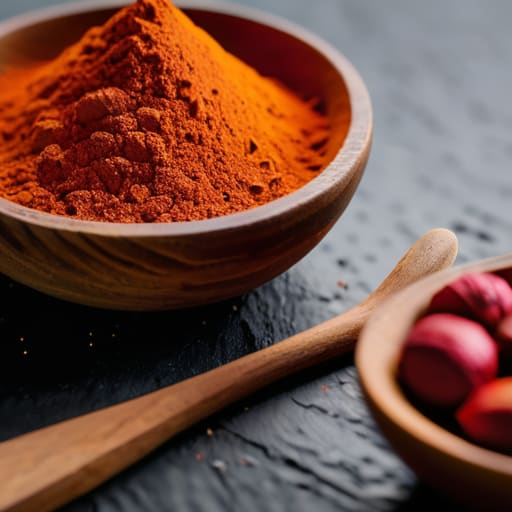
You don’t need a spice rack that looks like a chemistry lab to make decent food. Most of those specialty blends are just overpriced filler. To keep things efficient, I focus on a tight rotation of essential spice cabinet staples that work across almost any cuisine. Start with the basics: kosher salt, cracked black pepper, garlic powder, and smoked paprika. If you have those, you can already build a solid foundation for most meals.
From there, it’s about understanding how to layer. If you’re working with proteins, I usually lean into different flavor profiles for meat by adjusting my ratios—think cumin and chili powder for something earthy, or dried oregano and thyme for something more Mediterranean. The goal isn’t to mask what you’re eating, but to focus on enhancing natural flavors so the ingredients actually taste like themselves.
Don’t get caught up in complex recipes. Just keep these basics on hand, learn which ones play well together, and you’ll spend less time browsing aisles and more time actually eating.
Enhancing Natural Flavors Without the Kitchen Chaos
The biggest mistake I see people make is treating seasoning like a final step rather than a continuous process. If you wait until the food is off the heat to realize it’s bland, you’ve already lost. The secret to enhancing natural flavors without turning your kitchen into a disaster zone is learning how to taste while cooking. I keep a small spoon nearby—it’s a non-negotiable. You need to know if a dish is missing a kick or if it’s just flat.
Most of the time, “bland” doesn’t mean you need more spices; it means you need to focus on balancing salt and acid. If a soup or a sauce tastes heavy or dull, don’t reach for the garlic powder again. Reach for a squeeze of lemon or a splash of vinegar. That hit of acidity cuts through the weight and makes everything else pop. It’s a low-effort way to fix a dish mid-way through without having to prep a whole new set of ingredients. Keep it simple, keep tasting, and stop overthinking the chemistry.
Five Rules for Seasoning Without the Stress
- Season in layers. Don’t just dump everything on at the end. Add a little salt when you’re sautéing the onions, a bit more when the protein hits the pan, and a final touch right before you eat. It builds depth instead of just hitting you with one loud note of saltiness.
- Salt is your baseline, not an afterthought. If your food tastes “flat,” it almost always needs salt, not more spices. Use it early to draw out moisture and build flavor from the inside out.
- Taste as you go. I know it sounds obvious, but most people wait until the plate is served to realize they missed the mark. Keep a clean spoon nearby, take a tiny sip or bite every few minutes, and adjust accordingly. It’s much easier to fix a pot of soup halfway through than a finished meal.
- Use acid to brighten things up. If a dish feels heavy or dull despite being well-salted, don’t reach for the spice rack—reach for a lemon or some vinegar. A splash of acidity cuts through fat and wakes up your palate in a way that salt alone can’t.
- Stop measuring every single spice. Most recipes call for “a pinch” or “to taste” for a reason. Once you know your staples, trust your hands. If it looks like it needs more pepper, add more pepper. Cooking shouldn’t feel like a chemistry lab experiment.
Stop Overthinking the Plate
At the end of the day, seasoning isn’t some complex culinary science that requires a degree or a pantry full of rare powders. It’s just about building a basic system: keep your salt, pepper, and a few versatile spices on hand, and learn to taste as you go. You don’t need a twenty-step ritual to make a decent meal; you just need to understand how to enhance what’s already on the cutting board. Whether you’re throwing together a quick stir-fry after a long freelance gig or prepping a simple roast, focus on those small, repeatable wins that make the food actually taste like something.
My goal isn’t to turn you into a gourmet chef, but to help you stop settling for bland, uninspired meals just because you’re tired. Cooking should be a tool that serves your life, not another chore that drains your energy. Once you master these basics, you’ll realize that good food is accessible even when your time and budget are tight. Don’t let the fear of getting it “wrong” keep you from experimenting. Just grab your spices, trust your palate, and build a kitchen rhythm that works for you. You’ve got this.
Frequently Asked Questions
How do I know if I've actually added enough salt without making the whole dish inedible?
The trick is to stop thinking about “amount” and start thinking about “impact.” Don’t just dump salt in; take a small spoonful of the liquid or a tiny bit of the solid, let it cool for a second so you don’t burn your tongue, and taste it. If the flavors feel “flat” or muted, you need salt. If it hits the back of your throat with a sting, you’ve gone too far. Taste, adjust, repeat.
Can I use pre-mixed seasoning blends, or is it always better to build my own from scratch?
Look, I’m all for efficiency. If a high-quality pre-mix saves you ten minutes of measuring and cleans up your workspace, use it. There’s no shame in a shortcut if the ingredients actually make sense. But if you find yourself buying blends that are 70% salt and cheap fillers, that’s where you lose the plot. Buy the basics, mix them when you have the headspace, and use the pre-mixes only when you’re actually in a rush.
When should I add spices during the cooking process to make sure they don't burn or lose their punch?
Timing is everything. If you’re using dried spices or aromatics like garlic, hit the pan with them in oil right at the start—it “blooms” the flavor. But if you’re using delicate herbs or heat-sensitive spices like paprika, wait until the end. If they hit a hot pan too early, they turn bitter and burnt, and you’ve wasted your money. Season in layers: base flavors early, finishing touches late.