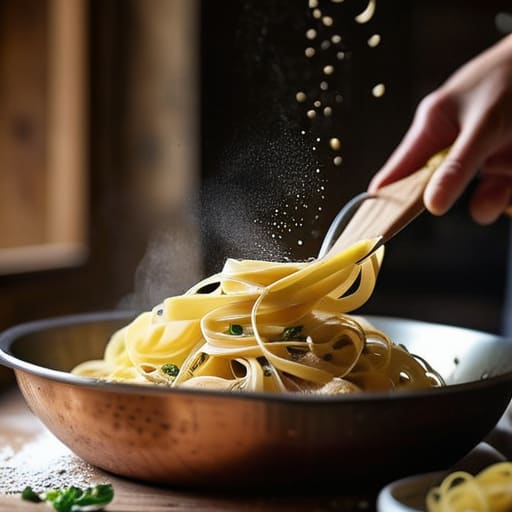
Authentic Italian Secrets for Perfect Pasta
I spent most of my childhood watching my mom try to make a single box of spaghetti stretch for three people, usually while she was multitasking through two jobs. Back then, I thought “gourmet” meant buying the expensive, artisanal bronze-cut shapes that cost six dollars a bag. But honestly? Most of that high-end culinary advice is just noise designed to make you feel like you’re failing if you aren’t using imported sea salt and a copper pot. If you want to learn how to cook pasta perfectly, you don’t need a culinary degree or a massive grocery budget; you just need to stop overcomplicating a process that should take fifteen minutes, tops.
I’m not here to give you a list of “chef secrets” that require a specialized kitchen setup. Instead, I’m going to show you a repeatable system for getting that ideal al dente texture every single time, regardless of what brand you pulled off the bottom shelf. We’re focusing on the mechanics—water temperature, salt ratios, and the one crucial step most people skip—so you can get a decent meal on the table without wasting your evening scrubbing a sink full of wasted starch.
Table of Contents
Mastering Boiling Water for Pasta Without the Kitchen Chaos

Most people treat boiling water like a background task, but it’s actually where the foundation is laid. Don’t wait until the water is lukewarm to start thinking about seasoning. Use a pot that’s actually large enough for the amount of pasta you’re making; if the pot is too small, you’ll end up with a crowded, gummy mess. Once you see those big, aggressive bubbles, that’s your cue. This is where the salting pasta water importance comes in. I don’t mean a tiny pinch—I mean salt it until it tastes like the ocean. If you don’t season the water, you’re basically trying to build a house without a foundation; no amount of sauce later will fix that bland, hollow center.
Once the pasta hits the water, give it a quick stir immediately. This is the most underrated step for preventing sticky pasta clumps from forming in the first place. Set a timer for two minutes less than what the box suggests. You want to aim for that firm, slightly resistant bite we call al dente. If you cook it to softness in the pot, it’ll turn into mush the second you hit it with hot sauce.
The Salting Pasta Water Importance Small Wins for Big Flavor
Most people treat salt like an afterthought, something you sprinkle on at the table once the dish is already done. That’s a mistake. If you want actual flavor, you have to season the water itself. Think of it as the only chance you have to season the pasta from the inside out. When you’re salting pasta water importance becomes clear: it’s not about making the water “salty” like the ocean, but about ensuring that every single strand carries a baseline of seasoning. If you skip this, your pasta will taste like bland, wet flour, no matter how good your sauce is.
Don’t go overboard, either. You want the water to taste like a decent soup. This step also plays a massive role in preventing sticky pasta. The salt helps maintain the structural integrity of the noodle as it cooks. Once you hit that perfect al dente texture, don’t you dare dump all that water down the drain. That cloudy, starchy liquid is liquid gold. It’s the secret to emulsifying your sauce so it actually clings to the noodles instead of sliding off into a puddle at the bottom of your bowl.
The low-effort systems for better pasta
- Stop draining the whole pot: Always reserve a mug of that cloudy pasta water before you dump the rest. That starch is liquid gold; a splash of it in your sauce is the difference between a dry, clumpy mess and a silky, restaurant-quality finish.
- Respect the timer, but trust your teeth: Don’t just follow the box instructions blindly. Start tasting the pasta two minutes before the timer is supposed to go off. You want it al dente—firm to the bite, not mushy.
- Skip the oil in the water: Adding oil to the pot is a waste of time and makes your pasta too slippery for the sauce to actually stick. If you’re worried about sticking, just use a wider pot and more water. It’s simpler.
- Finish the pasta in the sauce: Instead of pouring sauce over plain noodles on a plate, toss the pasta directly into the pan with your sauce for the last 60 seconds of cooking. This lets the pasta absorb the flavor rather than just being coated by it.
- Use the right tool for the job: If you’re dealing with long strands like spaghetti, use a pasta fork or tongs, not a slotted spoon. It’s faster, cleaner, and keeps you from splashing hot water all over your counter.
The Bottom Line
At the end of the day, cooking great pasta isn’t about some complex culinary technique or expensive gadgets. It’s just about managing the basics: getting that water to a heavy boil, salting it enough so the flavor actually penetrates the starch, and timing the drain so you aren’t left with a mushy mess. If you can master these three small variables, you’ve already won. You’ve turned a chore into a reliable system that works every time, regardless of how tired you are after a long day of freelance gigs or city commuting. Stop overthinking the process and just trust the timing.
I used to think that eating well required a massive kitchen setup or hours of prep work, but I was wrong. Real efficiency is about finding those small, repeatable wins that make your daily life feel a little more put together. Whether you’re eating a quick bowl of spaghetti in a cramped apartment or hosting a friend, having a solid method means you spend less time hovering over a stove and more time actually enjoying your meal. Focus on the fundamentals of the craft, and the rest of your evening will fall into place. You don’t need a lifestyle overhaul; you just need better systems.
Frequently Asked Questions
How do I actually know when the pasta is al dente without overcooking the whole batch?
Don’t rely on the timer on your box; it’s usually a lie. Start tasting the pasta about two minutes before the package says it’s done. Take a single piece out, let it cool for a second, and bite. You’re looking for a slight resistance in the center—not a hard crunch, but not mush either. If it feels soft, you’ve already missed the window. Trust your teeth, not the clock.
Is it worth saving a cup of the pasta water, or is that just more cleaning for me later?
It’s actually worth the extra thirty seconds. Think of it as a liquid binder rather than just leftover water. When you toss your pasta with sauce, that starchy water helps everything emulsify, turning a dry, separated mess into a silky, restaurant-quality coating. Just grab a mug before you drain the pot. It’s one tiny extra step that prevents your dinner from being mediocre, and honestly, it’s easier than fixing a broken sauce later.
Should I be rinsing the pasta after I drain it, or does that ruin the texture?
Don’t rinse it. Unless you’re making a cold pasta salad, rinsing is a mistake. That starchy water is what helps the sauce actually cling to the noodles instead of sliding off into a puddle at the bottom of the bowl. If you rinse, you’re essentially washing away the “glue” that makes the dish work. Just drain it, toss it straight into your sauce, and let the starch do its job.