Batch Cooking 101: Prepare Once to Eat All Week
I used to think batch cooking for beginners meant spending my entire Sunday afternoon standing over a steaming pot, surrounded by a mountain of Tupperware and enough dishes to sink a small boat. I’ve seen those “meal prep” influencers who make it look like a professional kitchen operation—everything color-coded, perfectly portioned, and frankly, exhausting. If a system requires you to sacrifice your only day off just to avoid eating takeout on Tuesday, it isn’t a system; it’s a second job. I grew up in a house where we didn’t have the luxury of wasted time or wasted ingredients, so I learned early on that if a process isn’t efficient, it’s broken.
I’m not here to teach you how to become a part-time chef. Instead, I want to show you how to build a low-maintenance food system that actually fits into a busy, unpredictable life. We’re going to focus on small, repeatable wins—like prepping components rather than entire meals—so you can keep your bank account intact without feeling like you’re serving your kitchen instead of the other way around.
Table of Contents
Smart Weekly Meal Planning Strategies That Save Your Sanity
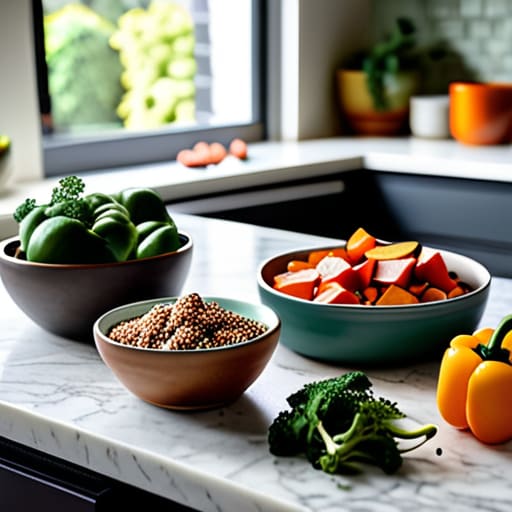
The biggest mistake I see people make is trying to plan a seven-day gourmet menu on a Sunday afternoon. That’s not a system; that’s a second job. Instead, I use a “component-based” approach. Rather than committing to specific recipes, I focus on weekly meal planning strategies that prioritize versatile building blocks: one grain, two proteins, and three roasted vegetables. If you have a container of quinoa, some seasoned chicken, and roasted sweet potatoes, you can pivot from a Mediterranean bowl to a spicy taco salad in about ninety seconds. This flexibility is what keeps you from ordering takeout when your brain is too fried to think.
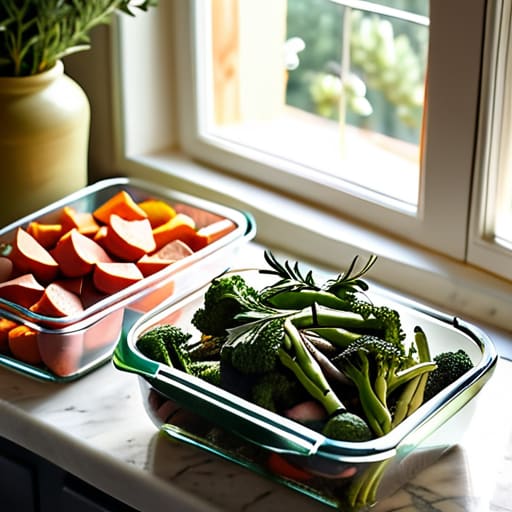
To make this actually stick, you need to stop treating your kitchen like a laboratory and start treating it like a workshop. Invest in a few decent meal prep containers for beginners—nothing fancy, just glass or high-quality BPA-free plastic that actually seals. If the containers are easy to clean and stackable, you’re more likely to use them. My rule is simple: don’t cook more than you can realistically eat or freeze within the week. Keep it modular, keep it simple, and let the ingredients do the heavy lifting.
Low Effort Batch Cooking Meal Ideas for Busy Schedules
The mistake most people make is trying to cook five different recipes at once. That’s not a system; that’s a recipe for burnout. Instead, I stick to “component cooking.” I’ll roast two trays of seasonal vegetables, boil a massive pot of grains like quinoa or farro, and prep a single versatile protein—like seasoned chicken thighs or seasoned chickpeas. Once you have these building blocks, you aren’t just eating the same sad leftovers; you’re assembling different bowls throughout the week. It’s one of those time saving kitchen hacks that actually keeps things interesting without requiring a culinary degree.
If you’re looking for specific batch cooking meal ideas, lean into things that actually improve with time. Stews, chili, and hearty lentil soups are the gold standard because they freeze beautifully. I usually spend an hour on a Sunday evening making a large pot of something heavy, then portion it out into meal prep containers for beginners to grab during the week. This approach is the backbone of budget friendly bulk cooking—you buy the ingredients in larger quantities, reduce waste, and ensure you aren’t hitting the expensive takeout apps when you’re too tired to think.
Five ways to stop overcomplicating your prep
- Don’t cook entire recipes; cook components. Instead of making five different heavy meals, just roast a big tray of vegetables, boil a pot of grains, and prep two proteins. It’s much easier to mix and match those in different bowls throughout the week than it is to eat the exact same lasagna four days in a row.
- Invest in decent glass containers. I learned the hard way that cheap plastic bins leak and make everything taste like a chemistry experiment. Good glass containers stack better in a cramped fridge and actually go from the freezer to the microwave without melting. It’s a one-time cost that saves a lot of frustration.
- Follow the “one-pot” rule for your big sessions. If a recipe requires four different pans and a mountain of scrubbing, skip it. Your goal is to eat well, not to spend your Tuesday night fighting a sink full of dishes. Stick to sheet pan meals, slow cookers, or single-pot pastas.
- Use your freezer as a buffer. If you realize you’ve made way more chili than you can actually eat before it goes bad, don’t let it sit in the fridge. Portion it into small, single-serve bags immediately and freeze them. It turns your freezer into a “ready-to-go” library for those nights when you’re too tired to even think about cooking.
- Embrace the “ugly” prep. Your food doesn’t need to look like an Instagram post. If the vegetables are chopped unevenly or the rice is slightly clumped, it doesn’t matter. The goal is efficiency and nutrition, not aesthetics. Just get it done so you can get back to your actual life.
Stop Aiming for Perfection
Look, the goal here isn’t to turn your kitchen into a commercial-grade laboratory every Sunday afternoon. We’ve covered how to plan without losing your mind, how to pick meals that don’t require a culinary degree, and how to build a system that actually fits into your work week. If you walk away from this with just one extra container of roasted veggies or a pre-made grain bowl in your fridge, you’ve already won. The real trick is to focus on low-effort wins that prevent that 7:00 PM panic when you realize you have nothing to eat but a bag of chips. Don’t overcomplicate it; just build a functional foundation that serves you when you’re too tired to think.
At the end of the day, batch cooking is just another tool in your kit to buy back your time and your mental energy. I spent a lot of my early twenties feeling like I was constantly playing catch-up with my own life, always reacting to hunger or empty bank accounts instead of actually living. Setting up these small, repeatable systems is how you stop reacting and start deciding. You don’t need a massive kitchen or a huge budget to get this right; you just need a consistent approach. Start small, keep it simple, and let the system do the heavy lifting so you can get back to what actually matters.
Frequently Asked Questions
How do I keep the food from tasting like leftovers by Wednesday?
The “leftover taste” usually comes from two things: moisture loss and flavor fatigue. Stop reheating everything in the microwave if you can help it; it nukes the texture. Use a toaster oven or a pan to crisp things back up. Also, don’t prep fully assembled meals. Keep your proteins, grains, and veggies in separate containers. That way, you can change the “vibe” with a fresh sauce or some lime juice on Wednesday, making it feel like a new meal rather than a sad repetition.
Do I really need to buy all these expensive glass containers, or can I just use what I have?
No. Seriously, don’t do it. I grew up watching my mom make magic happen with mismatched plastic tubs and old jam jars, and the logic holds up: a container’s job is to hold food, not look pretty on a shelf. If you have lid-matching Tupperware or even some decent deli containers, use them. Save that money for high-quality ingredients instead. Aesthetic organization is a luxury; a functional system is a necessity.
What’s the best way to prep without spending my entire Sunday stuck in the kitchen?
Don’t aim for a marathon session. Instead, try “component prepping.” Rather than making five full recipes, just prep versatile building blocks: roast a big tray of seasonal veggies, boil a pot of grains, and cook two proteins. If you have the components ready, you can assemble a bowl in five minutes on Tuesday without actually “cooking.” It’s about building a pantry of ready-to-eat parts so you aren’t starting from scratch every single night.