Creative Ways to Repurpose Your Leftovers
I grew up in a house where “waste not, want not” wasn’t a trendy Pinterest aesthetic; it was just how we survived. I remember watching my mom take a slightly wilted bunch of greens or a half-empty jar of sauce and somehow turn it into a meal that felt intentional rather than desperate. Most “food hack” influencers will try to sell you on complex, three-hour meal prep sessions that feel more like a second job, but I’m not interested in that. Learning how to use leftovers shouldn’t require a culinary degree or a massive time commitment. It’s about recognizing that yesterday’s dinner is actually just raw material for tonight’s efficiency.
I’m not here to give you recipes that require a trip to a specialty grocery store. Instead, I want to show you how to build a low-effort system that treats your fridge like a toolkit. We’re going to focus on a few repeatable, modular ways to transform scraps into actual meals without turning your kitchen into a disaster zone. My goal is to help you stop seeing extra food as a chore and start seeing it as a small, repeatable win for your budget and your schedule.
Table of Contents
Mastering Meal Prep With Leftovers Without the Stress
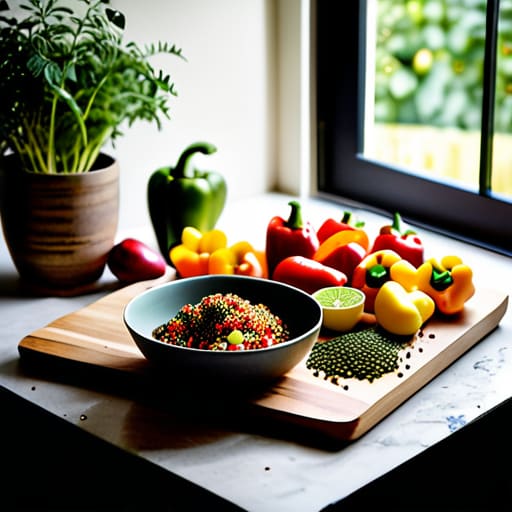
The biggest mistake people make is thinking meal prep has to mean spending your entire Sunday Tupperware-ing identical portions of steamed broccoli and chicken. That’s not a system; that’s a chore. Instead, I treat my fridge like a modular toolkit. I focus on repurposing cooked proteins—think of a roast chicken or a batch of seasoned lentils as raw materials rather than finished meals. If you have a surplus of protein, you aren’t just eating “yesterday’s dinner” again; you’re halfway to a taco filling, a grain bowl, or a quick stir-fry.
The goal is to minimize the “decision fatigue” that hits at 7:00 PM when you’re exhausted. By keeping a few versatile bases ready, you can execute creative kitchen hacks in under ten minutes. I keep a small stash of quick-access ingredients—acidic things like lime or vinegar, something crunchy like toasted seeds, and a decent hot sauce—to completely change the profile of a dish. This way, you aren’t just reheating food; you’re performing a quick leftover makeover that actually tastes intentional.
Food Waste Reduction Tips for a Leaner Bank Account
At the end of the day, food waste isn’t just an environmental issue; it’s a leak in your bank account. Every time you toss a half-used container of sauce or a wilted bunch of greens, you’re essentially throwing five-dollar bills directly into the trash. To stop the bleed, you need a system for storing leftovers safely and logically. I keep a small section in my fridge specifically for “eat me first” items—things that are nearing their expiration or leftovers that need to be cleared out before the weekend. If it’s in that zone, it’s the priority for your next meal.
Another way to tighten your budget is through repurposing cooked proteins. Instead of viewing last night’s roasted chicken as a “leftover,” view it as a component. That chicken becomes the base for a quick street taco or gets shredded into a grain bowl. It shifts your mindset from “eating old food” to “assembling new meals.” When you stop seeing leftovers as a chore and start seeing them as pre-prepped ingredients, you stop buying unnecessary groceries and start actually using what you’ve already paid for.
My Low-Effort Framework for Actually Eating Your Leftovers
- The “Component Method”: Stop looking at leftovers as a finished meal. If you have extra roasted chicken or sautéed veggies, don’t try to re-plate them the same way. Treat them as building blocks. Throw that chicken into a wrap or toss those veggies into an omelet. It feels like a new meal, not a repeat.
- Invest in clear, stackable containers: I learned this the hard way growing up. If you can’t see what’s in the container, it’s going to die in the back of the fridge. Get decent, uniform glass or BPA-free plastic containers so you can see exactly what you have at a glance. If it’s visible, you’ll actually eat it.
- The “Two-Day Rule”: If you aren’t going to eat something within 48 hours, freeze it. I don’t care if the label says it’s fine for five days; if it’s sitting there staring at you and you’re not feeling it, move it to the freezer. It saves the food and clears the mental clutter in your fridge.
- Use a “Base” strategy: Keep a few pantry staples on hand that turn any leftover into a real dish—think rice, quinoa, or even just a decent jar of salsa. Leftover taco meat + a scoop of rice + salsa = a new bowl. It takes two minutes and keeps you from ordering takeout when you’re tired.
- The Sunday Audit: Every Sunday, before you start your week, spend five minutes looking at what’s left in your fridge. Decide right then what’s for lunch on Monday or Tuesday. If you don’t make a plan, you’ll end up making a new grocery list for things you already own.
The Bottom Line
At the end of the day, managing leftovers isn’t about becoming a gourmet chef or spending your entire Sunday in the kitchen; it’s about building a sustainable loop. We’ve covered how to prep without the burnout, how to repurpose ingredients so they actually taste good, and how to keep that unnecessary food waste from eating into your savings. If you can master the art of the quick reheat or the simple ingredient pivot, you’ve already won half the battle. It’s about making sure that the money you spent at the grocery store on Tuesday doesn’t end up in the trash on Friday. Just focus on small, repeatable wins that keep your fridge organized and your budget intact.
I know it can feel like just another chore on an already overflowing to-do list, but I promise you, the payoff is worth the five minutes of effort. When you stop viewing leftovers as “old food” and start seeing them as pre-made components for your next meal, your entire relationship with your kitchen changes. You gain time, you save cash, and you reduce the mental load of the “what’s for dinner?” panic. You don’t need a massive lifestyle overhaul to get this right; you just need a system that actually works for your real, busy life. Now, go check that fridge and see what you can salvage.
Frequently Asked Questions
How do I know if leftovers are actually safe to eat or if I’m just playing Russian roulette with food poisoning?
Look, I get it. There’s a fine line between being frugal and being reckless. My rule of thumb: if you have to play “sniff test” for more than five seconds, toss it. If it looks slimy or smells even slightly sour, don’t risk it. Generally, most cooked leftovers are good for three to four days in the fridge. If you aren’t sure how long it’s been sitting there, the safest move is to dump it.
What’s the best way to store things so they don't turn into a soggy, unappealing mess by day three?
The biggest mistake is treating every leftover like it’s all one big pile. If you throw wet sauce over crispy textures, you’ve already lost. Keep your components separate. Store your proteins, grains, and sauces in individual containers rather than one giant Tupperware. If something is meant to be crunchy, keep it in a dry container or a glass jar until the moment you reheat it. It takes ten extra seconds, but it saves the meal.
Is there a way to transform the same base ingredients into something that doesn't feel like I'm eating the exact same meal twice?
The trick is to change the texture and the flavor profile, not just the plate. If you roasted chicken and veggies last night, don’t just reheat them. Shred the chicken, toss it with some lime, cilantro, and a tortilla for tacos. Or, throw it all into a pan with some soy sauce and ginger for a quick stir-fry. By switching the “vibe” of the ingredients, you trick your brain into thinking it’s a new meal.