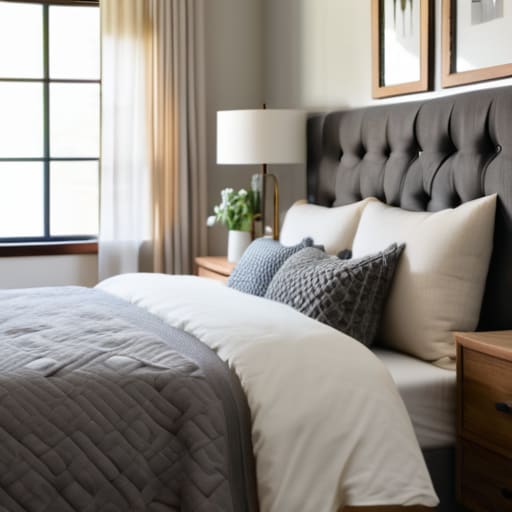
Custom Headboard Diys for Any Style or Budget
I spent most of my childhood in a tiny apartment where the bed was just a mattress on the floor, staring at a blank, beige wall every single morning. It’s a weirdly draining way to wake up when your space feels unfinished or, worse, temporary. I used to think that fixing that required a massive budget or a specialized workshop, but I’ve learned that a bedroom only needs a focal point to feel like a real sanctuary. If you’re staring at your bed right now feeling like something is missing, you don’t need a renovation; you just need some smart diy headboard ideas that actually fit your lifestyle.
I’m not here to suggest projects that require you to spend your entire Saturday covered in sawdust or fighting with expensive power tools. Instead, I’ve pulled together five specific approaches that prioritize maximum impact with minimum friction. We’re going to look at ways to upgrade your space that are budget-friendly, aesthetically intentional, and—most importantly—won’t eat up your entire weekend. Let’s get your bedroom sorted so you can actually enjoy the space you’ve worked so hard to build.
Table of Contents
The Fabric Panel Hack
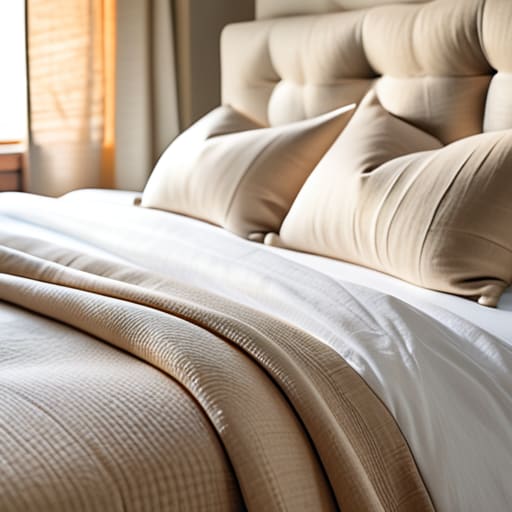
If you want that high-end, upholstered look without the three-figure price tag, go with foam and fabric. You don’t need a sewing machine for this; just grab some high-density foam sheets from a craft store and some heavy-duty upholstery fabric that actually feels good against your skin. I usually go for a linen blend because it’s forgiving and breathable, which matters when you’re actually trying to sleep.
Reclaimed Wood Slat Wall
I grew up seeing how much character a little bit of texture can add to a cramped room, and nothing does that better than wood. Instead of buying a pre-made wooden headboard that probably came from a factory overseas, go find some scrap cedar or even old pallet wood if you can find some that isn’t too beat up. The goal here isn’t perfection; it’s about creating a visual anchor for the room that feels intentional.
The Floating Shelf Approach
Sometimes a traditional headboard is just too much bulk for a small apartment. If you’re working with limited square footage, a deep, sturdy floating shelf is a much smarter way to go. It gives you a place to lean your phone or set a glass of water, and it provides that architectural interest behind your pillows without taking up any floor space.
Painted Geometric Shapes
If you don’t have the tools for woodworking or the patience for fabric, just use a can of paint and a roll of painter’s tape. You can create a “faux headboard” by painting a large arch or a series of geometric shapes directly onto the wall behind your bed. It costs almost nothing and requires zero storage space once you’re done, which is a huge plus if you move frequently.
The Hanging Textile
For the ultimate low-effort setup, look toward textiles. A heavy woven tapestry or even a vintage rug hung from a simple wooden rod can act as a soft, textured headboard. This is my go-to when I want to add warmth to a room that feels a little too cold or industrial. It’s soft, it absorbs sound, and it’s incredibly easy to swap out when you get bored.
Build for the Life You Actually Lead
At the end of the day, your bedroom should be a place to recharge, not a source of unfinished projects that make you feel guilty every time you walk past them. Whether you decided to go with a simple peel-and-stick fabric option or a more structured wooden frame, the goal was never to create a museum piece. It was about finding a way to make your space feel intentional without draining your bank account or your mental energy. You don’t need a professional carpenter’s toolkit to make a significant change; you just need to choose a project that actually fits your schedule and your current skill level.
I spent a lot of my early twenties living in spaces that felt temporary and uninspired because I thought “home” was something you eventually earned after a promotion or a big move. But I’ve learned that a functional, aesthetic life is built in these small, incremental steps. Don’t get caught up in the idea that everything has to be perfect or Pinterest-ready on the first try. Just pick one thing, finish it, and enjoy the fact that your environment finally reflects who you are rather than just where you happen to be staying. Your space should serve you, not the other way around.
Frequently Asked Questions
How do I make sure a DIY headboard is actually sturdy enough so it doesn't wobble every time I lean against it?
The biggest mistake is treating a headboard like a piece of wall art rather than furniture. If you’re leaning back to read, it needs structural support. Don’t just screw it into the drywall; that’s a recipe for a wobbling mess. Either anchor it directly into the wall studs using heavy-duty L-brackets, or build a simple wooden frame that attaches to your bed base. If it can’t handle your weight, it’s not finished.
What’s the best way to attach these to my bed frame without causing permanent damage to the mattress or the wall?
If you’re worried about the mattress or the walls, skip the heavy hardware. For the fabric or padded options, I usually use heavy-duty command strips or velcro adhesive pads on the back of the headboard—they grip well but peel off clean. If you’re attaching it to the frame itself, look for bed rail brackets or even simple zip ties if it’s a more industrial look. It’s about securing the piece without leaving a permanent mark on your space.
If I’m working with a tight budget, which materials are actually worth the investment and which ones are just a waste of money?
Spend your money on the structural stuff: solid wood or sturdy metal. If the frame is flimsy, nothing else matters. A cheap, solid base can be dressed up with fabric or paint later, but you can’t fix a wobbly, particle-board foundation once it’s in your bedroom. Skip the expensive “designer” fabrics or specialty upholstery tools. Buy decent sandpaper and a mid-range drill instead. Those are the tools that actually make a project look professional.