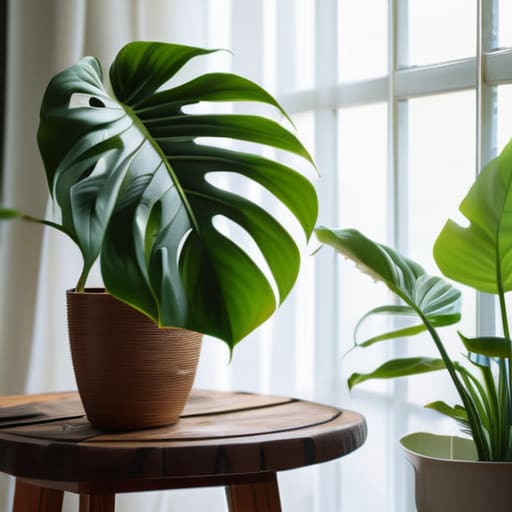
Essential Tips for Keeping Your Houseplants Healthy and Vibrant
I used to think that if I wanted to keep a plant alive, I needed to spend forty dollars on a specialized “nutrient mist” and follow a 12-step ritual that felt more like a part-time job than a hobby. I spent my early twenties in a cramped apartment, watching expensive monsteras turn into expensive brown mush because I was following “expert” advice that was way too complicated for a guy working freelance. Most of the internet’s guides on how to care for houseplants are designed to sell you more gear, not to actually help you grow something. Honestly, if a plant requires a PhD and a subscription service to survive, it’s not a plant—it’s a liability.
I’m not here to sell you a lifestyle or a complicated schedule that you’ll abandon by next Tuesday. Instead, I want to show you how to build a simple, repeatable system that works with your actual life. We’re going to focus on the minimalist essentials: light, water, and observation. I’ll show you how to keep your space green without letting your greenery take over your mental bandwidth.
Table of Contents
Decoding Indoor Plant Light Requirements for Busy Schedules
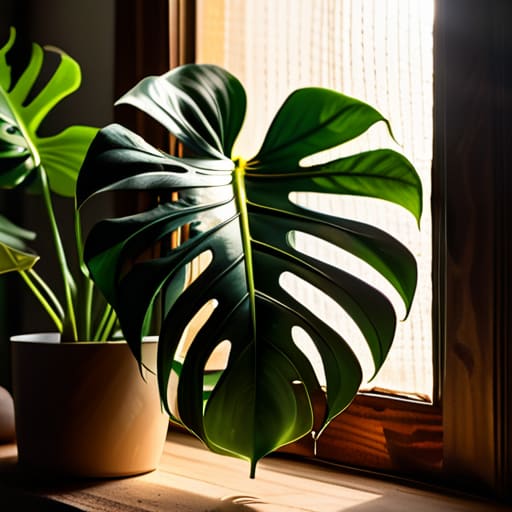
Most people fail at plants because they treat light like a suggestion rather than a requirement. You can buy the most expensive specimen in the shop, but if you put it in a dark corner, you’re basically just paying for a slow-motion funeral. Before you buy anything, I need you to stop and look at your windows. Don’t just guess; track how the sun actually moves through your room for a single afternoon.
I categorize my spaces into three zones: direct, bright indirect, and low light. If you have a south-facing window, you’ve got the high-intensity stuff that works for cacti. If you’re stuck with a north-facing view, you need to focus on understanding specific indoor plant light requirements for things like Snake Plants or Pothos. My rule of thumb is simple: if you can’t comfortably read a book in that spot without turning on a lamp, it’s probably too dark for anything besides a very hardy ZZ plant. Match the plant to the light you already have, rather than trying to force your apartment to change for a plant.
Finding the Best Soil for Houseplants to Minimize Maintenance
Most people make the mistake of buying the cheapest bag of dirt they can find at the grocery store, then they wonder why their leaves are turning yellow two weeks later. If you want to minimize your actual workload, you have to stop treating soil like an afterthought. The secret isn’t more watering; it’s about getting the best soil for houseplants that actually breathes. You want a mix that holds enough moisture to keep things stable but drains fast enough that you aren’t accidentally drowning the roots every time you pick up the watering can.
For most of my setup, I skip the generic “all-purpose” stuff and look for something with perlite or orchid bark mixed in. This creates air pockets, which is basically insurance against root rot. If you’re dealing with specific needs, like high humidity for tropical indoor plants, you might need a slightly heavier peat-based mix, but for the average pothos or snake plant, a chunky, well-draining blend is the way to go. Think of it as building a foundation—if the base is solid, the rest of the maintenance becomes almost automatic.
Five Low-Effort Habits to Keep Your Plants Alive
- Stop watering on a schedule. A “weekly watering” rule is a trap that leads to root rot. Instead, stick your finger an inch into the soil; if it feels damp, walk away. If it’s dry, give it a drink. It takes five seconds and saves you from killing half your collection.
- Group your plants together. It sounds simple, but it actually creates a tiny microclimate that boosts humidity. This means you won’t have to constantly mist leaves or run a humidifier just to keep your ferns from turning into crispy brown dust.
- Get a decent drainage pot. If you love a specific ceramic planter that doesn’t have a hole in the bottom, just keep the plant in its plastic nursery pot and drop that inside the pretty one. It makes repotting a breeze and prevents water from sitting at the bottom and drowning the roots.
- Clean the leaves once a month. Dust acts like a barrier to sunlight. Take a damp cloth and just wipe the dust off the leaves so they can actually breathe and photosynthesize. It’s a small task, but it keeps them looking healthy without needing expensive fertilizers.
- Use a “low-stakes” watering can. Don’t bother with those fancy, long-necked designer ones if they’re going to sit in your cupboard unused. Get a basic, lightweight watering can with a spout that actually reaches the soil. If the tool is easy to grab, you’re more likely to actually use it.
The Bottom Line
At the end of the day, keeping plants alive shouldn’t feel like a second job. We’ve covered the essentials: matching your greenery to the actual light your apartment provides, picking a soil that does the heavy lifting for you, and setting up a rhythm that works with your schedule rather than against it. If you get the foundation right—the light and the dirt—you’ve already won half the battle. Stop worrying about becoming a master botanist and just focus on building a repeatable system that prevents the obvious mistakes. It’s about minimizing the guesswork so your home stays green without you having to obsess over it every single morning.
I know what it’s like to feel like you don’t have the space or the “green thumb” to make this work, but plants are surprisingly resilient if you just give them the right starting point. They aren’t meant to be high-maintenance burdens; they’re meant to make your living space feel less like a concrete box and more like a home. Don’t aim for a jungle overnight. Just start with one or two easy wins, get your systems in place, and let the greenery grow on its own terms. You’ve got this.
Frequently Asked Questions
How do I know if I'm actually overwatering or if the plant is just reacting to a change in temperature?
It’s a fine line, but here’s the shortcut: check the soil, not the leaves. If the soil is soaking wet and the leaves are dropping, you’re overwatering. If the soil is bone dry and the leaves are drooping, it’s likely a temperature shift or dehydration. Stick your finger an inch deep; if it’s damp, leave it alone. Don’t let a sudden draft trick you into a watering spree that ends in root rot.
What are the most foolproof, "unkillable" plants for someone who literally forgets they exist for a week at a time?
If you’re prone to the “forgot I owned a living thing” cycle, stop buying temperamental ferns. You need plants that thrive on neglect. Go with a Snake Plant or a ZZ Plant. They’re basically indestructible; you can ignore them for weeks, and they’ll barely notice. If you want something that trails, get a Pothos. Just stick them in a corner, water them when the soil feels bone-dry, and let them do their thing.
Is it worth spending the extra money on specialized fertilizers, or can I just stick to a basic routine?
Honestly? Skip the boutique, “designer” fertilizers. Most of them are just expensive marketing wrapped in pretty packaging. If you’re looking for a system that actually works without draining your bank account, just grab a basic, balanced liquid fertilizer. Use it once a month during the growing season, keep it diluted, and call it a day. It’s about consistent, low-effort feeding, not finding some magic potion that promises miracles.