Fast and Easy Dinner Solutions for Hectic Weeknights
I spent most of my childhood watching my mom try to perform culinary magic with whatever was left in the pantry at 6:00 PM on a Tuesday. She wasn’t a chef; she was a strategist, and she taught me that dinner shouldn’t be a second job. Most “recipe” blogs online make it feel like you need a kitchen full of specialized gadgets and three hours of uninterrupted silence just to get a decent meal on the table. That’s not reality. We need easy dinner recipes that actually respect our time and our dwindling bank accounts, focusing on high-impact ingredients rather than complex techniques that leave you with a mountain of dishes.
In this post, I’m stripping away the fluff to give you five specific, repeatable systems for your evening meals. I’m not talking about elaborate five-course feasts; I’m talking about low-effort wins that taste intentional but require minimal brainpower. You’re going to learn how to build meals that use pantry staples, minimize prep work, and—most importantly—ensure you aren’t staring blankly at the fridge at the end of a long day. Let’s get your kitchen working for you, not against you.
Table of Contents
The Sheet Pan Staple
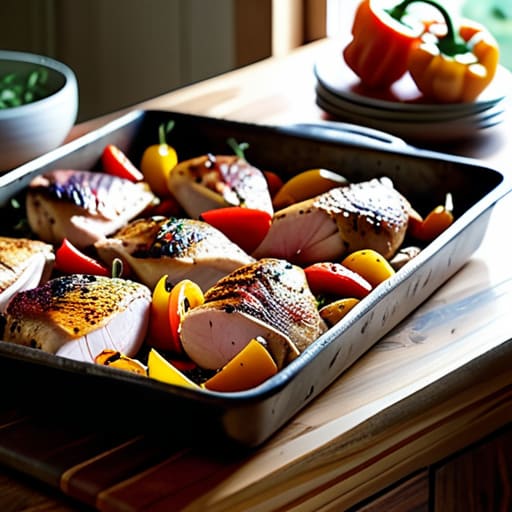
I’ve learned that the biggest enemy of a good week is a sink full of dishes. This is why I rely heavily on the sheet pan method for my mid-week dinners. You just toss some chopped chicken thighs, bell peppers, and red onions onto a single tray, drizzle them with olive oil and whatever dried spices you have on hand, and let the oven do the heavy lifting. It’s a low-friction system that ensures you actually eat something decent instead of reaching for a delivery app.
One-Pot Pantry Pasta
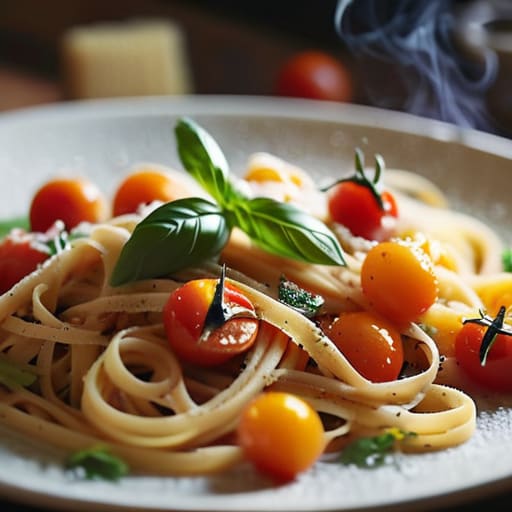
When my bank account is looking a little thin toward the end of the month, I go back to basics with a one-pot pasta. You don’t need a complex sauce or expensive cheeses to make this work. I usually just boil pasta with a handful of cherry tomatoes, garlic, and a bit of red pepper flakes right in the same water. As the starch releases, it creates a natural sauce that coats everything without you having to stand over a stove for an hour.
The High-Protein Grain Bowl
I treat grain bowls like a modular system rather than a recipe. I usually start with a base of quinoa or brown rice—something I’ve prepped in a big batch on Sunday—and then I just add whatever is in the fridge. A can of chickpeas, some sliced cucumber, and a soft-boiled egg can turn a handful of random ingredients into a structured meal that actually keeps you full until morning.
Elevated Adult Grilled Cheese
Let’s be real: some nights, you just don’t have the mental bandwidth for a “real” recipe. On those nights, I make an upgraded grilled cheese. I’m not talking about just white bread and processed singles; I’m talking about sourdough, a sharp cheddar, and maybe some thin slices of apple or a smear of Dijon mustard. It takes five minutes, but the sensory payoff is significantly higher than a standard sandwich.
The 10-Minute Loaded Quesadilla
If I’m working late on a project and my brain is fried, the quesadilla is my go-to. It’s the ultimate “no-brain” meal. I keep a stack of tortillas and a bag of shredded cheese in the fridge at all times because they have a long shelf life and require zero prep. Throwing in some canned black beans or leftover roasted veggies adds enough substance to make it feel like a properly balanced meal.
The System Over the Recipe
At the end of the day, these five meals aren’t about becoming a gourmet chef or mastering complex culinary techniques. They are about building a repeatable framework that prevents the mid-week spiral of expensive takeout and decision fatigue. Whether you’re leaning on the one-pan roast, the pantry-staple pasta, or the quick grain bowl, the goal remains the same: minimize the friction between being hungry and being fed. By keeping these specific ingredients on hand and these methods in your back pocket, you’re effectively automating your evening routine so you can stop thinking about logistics and start actually eating.
Don’t get caught up in the idea that a “good” dinner has to be an event. Sometimes, the most successful meal is the one that costs ten dollars, takes fifteen minutes, and leaves you with enough mental energy to actually enjoy your night. Life is messy enough without making your kitchen feel like a second job. Focus on these small, consistent wins to keep your budget intact and your apartment feeling like a sanctuary rather than a source of stress. You don’t need a massive pantry or a culinary degree; you just need a system that works for you, not against you.
Frequently Asked Questions
How can I keep these recipes cheap without sacrificing the quality of the ingredients?
Don’t chase “gourmet” labels; chase seasonality and bulk. I stopped buying pre-cut veggies and organic-branded everything once I realized I was just paying for the packaging. Buy your staples—grains, oils, spices—in bulk, and shop the perimeter of the store for whatever produce is actually in season. If a bell pepper is expensive this week, swap it for a carrot. It’s about being strategic with your spend, not depriving yourself of flavor.
What’s the best way to prep these ahead of time so I’m not actually cooking from scratch every single night?
Don’t fall into the “Sunday Meal Prep” trap where you spend four hours sweating over a stove just to eat soggy leftovers all week. That’s a chore, not a system. Instead, prep your components. Chop all your onions and aromatics at once. Cook a massive batch of a base grain or protein. If you have the components ready in the fridge, assembling these meals takes ten minutes, not forty. Work smarter, not harder.
I have a tiny kitchen with limited counter space; are there ways to adapt these for one-pot or minimal equipment?
I get it—I grew up in a place where “counter space” was just a suggestion. If you’re working with a tiny setup, stop trying to use every gadget you own. Stick to one heavy-bottomed pot or a single cast-iron skillet. Most of these recipes work just as well as a one-pot meal if you layer the ingredients right. Minimize the dishes, save the space, and keep the workflow simple.