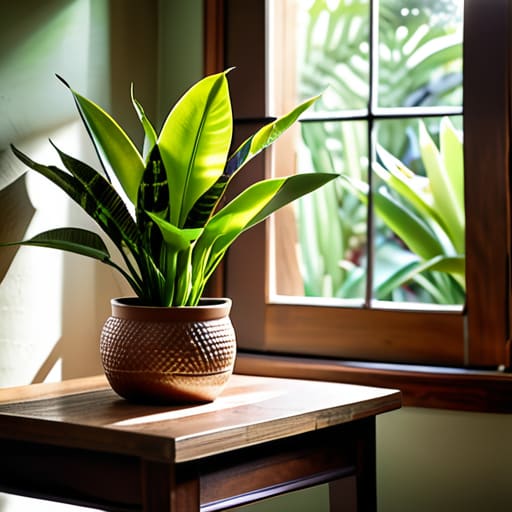
Hard-to-kill Houseplants for the Black Thumb Gardener
I used to think that keeping anything alive was a luxury reserved for people with massive sun-drenched living rooms and endless free time. Growing up in a cramped apartment, my “nature” was mostly just the weeds pushing through the sidewalk cracks outside. I quickly learned that most advice on houseplants for beginners is actually pretty exhausting—it’s all about specialized fertilizers, humidity trays, and schedules that feel more like a second job than a hobby. But here’s the thing: you don’t need a green thumb or a massive budget to bring some life into your space; you just need a system that actually works with your lifestyle instead of against it.
In this post, I’m cutting through the nursery fluff to give you five specific plants that are essentially bulletproof. I’m not talking about delicate ferns that die if you look at them wrong; I’m talking about greenery that thrives on a bit of neglect. These five picks are designed to help you build a low-maintenance indoor ecosystem that stays green even when your work week gets completely chaotic. Let’s get your space feeling a little more human without adding another chore to your list.
Table of Contents
The Indestructible Snake Plant
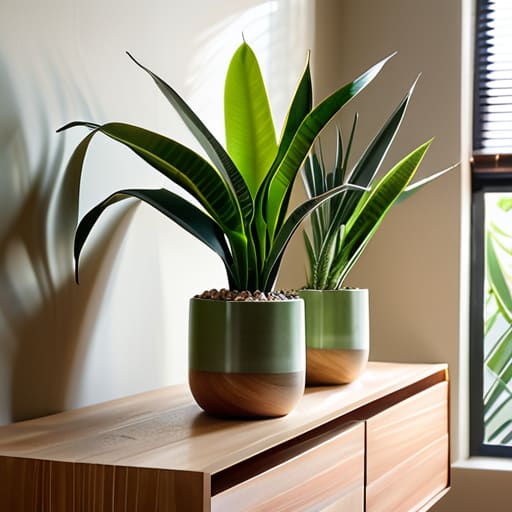
If you’re like me and occasionally forget that living things need water to exist, the Snake Plant is your best friend. It’s basically the minimalist’s choice for greenery because it doesn’t demand constant attention or a specific humidity level to stay upright. You can practically ignore it for two weeks, and it’ll still look just as sharp and architectural as the day you bought it.
Pothos: The Living Vine
I like to call Pothos “the beginner’s safety net.” These vines grow incredibly fast, which gives you that immediate sense of accomplishment without requiring a degree in botany. They are excellent for filling empty space on a bookshelf or trailing down from a high corner, adding a bit of organic texture to an otherwise sterile room.
ZZ Plant: Low Light Specialist
If your workspace is tucked into a dark corner or you live in a basement unit, the ZZ Plant is a non-negotiable. It has these thick, waxy leaves that look almost artificial because they stay so consistent and shiny. It’s built for surviving neglect, making it the ideal companion for anyone with a busy freelance schedule or an inconsistent sleep cycle.
Spider Plant: The Easy Multiplier
Spider Plants are great because they don’t just stay one single unit; they eventually produce “babies” that hang down from the main plant. You can snip these off, put them in a glass of water, and eventually, you’ve got a free plant collection started. It’s a small, repeatable win that makes your space feel more lush over time.
Peace Lily: The Dramatic Communicator
I’ll be honest: the Peace Lily is a bit of a drama queen, but I actually find that helpful. When it needs water, it will literally collapse and look like it’s dying right in front of you. It’s a high-visibility signal that removes all the guesswork. Once you water it, it stands back up within an hour, usually looking perfectly fine.
Don't Overthink the Greenery
Look, the goal here isn’t to turn your apartment into a botanical garden or a high-maintenance jungle that requires a PhD to keep alive. We covered the essentials: grab a snake plant if you’re prone to forgetting things, stick to a pothos if you want something that actually grows, and keep your lighting simple. The point is to pick one or two species that fit into your existing routine rather than trying to build a new hobby around them. If you focus on low-effort, high-reward plants, you’re setting yourself up for a win instead of a funeral for a dying fern.
At the end of the day, your space should serve you, not the other way around. Adding a bit of life to your desk or a corner of your living room shouldn’t feel like another item on a mounting to-do list. It’s about creating a small, repeatable sense of order in your environment. Start small, don’t panic if a leaf turns yellow, and just remember that consistency beats perfection every single time. You don’t need a green thumb; you just need a system that works with your lifestyle.
Frequently Asked Questions
How much do I actually need to spend on pots and soil before I'm just wasting money?
Look, don’t fall for the “aesthetic” trap at the nursery. You don’t need hand-thrown ceramic pots to keep a pothos alive. Grab a bag of decent all-purpose potting mix and some basic plastic nursery pots—they actually breathe better than fancy clay. If you want to look intentional, just nestle those plastic pots inside thrifted bowls or containers you already own. Spend your money on the soil; the dirt is what does the work, not the vessel.
Is there a way to tell if I'm overwatering without constantly poking at the dirt?
Stop poking the dirt; you’re just stressing yourself out. Instead, use the weight test. Pick up your pot right after a deep soak, then pick it up again a week later. If it feels surprisingly light, it’s dry. If it feels like a heavy brick, back off. Also, watch the leaves. If they’re turning yellow and feeling mushy rather than crispy, you’re drowning them. Trust the weight, not your anxiety.
What do I do if I realize I've already killed my first plant—is it worth trying again?
Look, don’t sweat it. I’ve killed more plants than I can count—half of them died because I was trying too hard to “care” for them. Killing a plant isn’t a failure; it’s just data. It tells you that your current light or watering system didn’t work for that specific species. Toss the dead one, grab something even hardier like a Pothos, and try again. The goal is a sustainable system, not a perfect record.