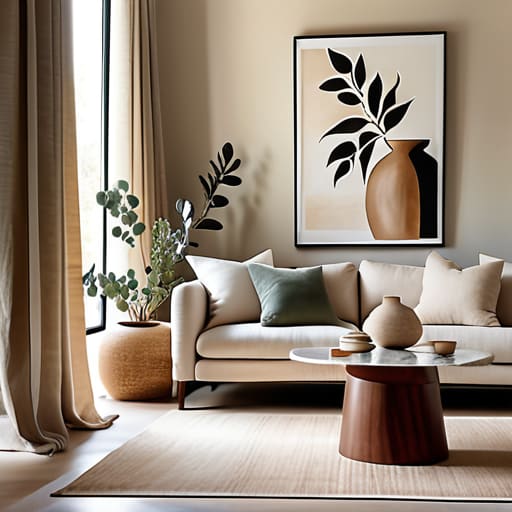
High-end Style on a Budget: Decorating Tips That Work
I spent most of my childhood in a two-bedroom apartment where every square inch had to work twice as hard as it should. I remember watching my mom try to make a cramped living room feel like a sanctuary using nothing but thrifted finds and a lot of grit, long before I knew the term “minimalist utility.” Most people online will try to sell you on these massive, weekend-long DIY projects that require a garage full of power tools and a massive credit card limit. But let’s be real: most budget decorating ideas you see on social media are just expensive hobbies disguised as savings. If a “hack” takes four hours of prep and costs more than a decent dinner, it’s not a hack—it’s a chore.
I’m not here to give you a list of Pinterest crafts that end up in a landfill by next month. Instead, I want to share the low-effort, high-impact systems I use to keep my own space functional and aesthetic without sacrificing my freelance income. We’re going to focus on a few small, repeatable wins that actually change the energy of a room. No fluff, no wasted weekends—just straightforward ways to make your apartment feel like yours.
Table of Contents
Smart Thrift Store Decor Finds for Instant Character
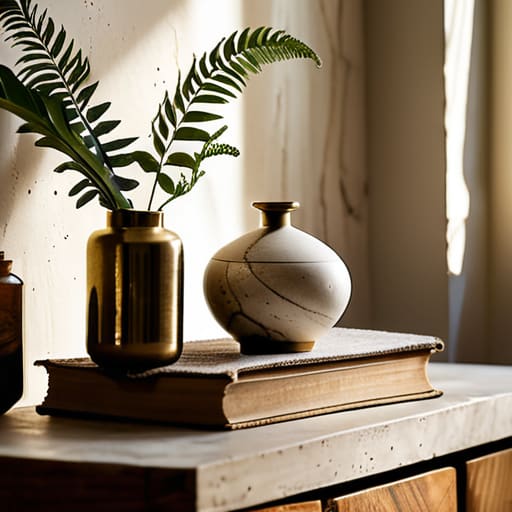
Thrift stores are gold mines if you stop looking for “perfect” items and start looking for potential. I spent my childhood surrounded by mismatched, hand-me-down furniture, and honestly, that’s where the best character comes from. Instead of hunting for a specific brand, look for solid wood or heavy ceramics that feel substantial. A heavy, slightly chipped marble tray or a weirdly shaped brass vase can anchor a room instantly. These thrift store decor finds act as visual anchors, making a generic rental feel like it actually has a history.
The trick is to avoid the “clutter trap.” Don’t just grab anything because it’s cheap; grab things that fit a specific material palette—like wood, glass, or metal. If you find a wooden side table that’s seen better days, don’t sweat it. Repurposing old furniture with a simple sanding session or a fresh coat of matte black paint is much more effective than buying a flimsy, flat-pack piece from a big-box retailer. It’s about finding pieces that have weight and texture, giving your space a sense of permanence without the designer price tag.
Low Cost Interior Design Tips for Minimal Effort
Most people think a diy home makeover on a budget requires a weekend of sanding and painting, but that’s a recipe for burnout. Instead of tackling a massive renovation, focus on lighting and textiles. Swapping out a harsh, overhead “big light” for a single warm-toned floor lamp or a cheap linen curtain can completely shift the energy of a room. It’s one of these small, low-effort adjustments that makes a space feel intentional rather than just lived-in.
Another way to see immediate results without the sweat is through strategic layout changes. Before you buy anything new, try moving your existing furniture. Sometimes, simply pulling a chair away from the wall or angling a desk can create better flow and make a cramped room feel more expansive. It’s one of the best apartment decorating hacks because it costs exactly zero dollars and takes twenty minutes. If you do decide to add something new, stick to a tight color palette so your things actually look like they belong together, rather than just cluttering up your limited square footage.
Five Small Wins to Upgrade Your Space Without the Burnout
- Audit your lighting. Most apartments rely on harsh, overhead “big lights” that make everything look clinical. Swap those out for a single warm-toned floor lamp or a cheap LED strip behind your desk. It changes the entire mood of the room for about twenty bucks and zero manual labor.
- Stop buying “sets.” Matching furniture sets look like they belong in a showroom, not a home. Mix your thrifted wooden coffee table with a modern chair you found on Marketplace. It looks intentional rather than accidental, and it’s way easier on your wallet.
- Use greenery as a structural tool. If a corner of your room feels empty or “dead,” don’t buy a decorative statue. Get a Pothos plant. They’re hard to kill, they grow fast, and they add life to a space in a way that plastic decor never will.
- Master the “One-In, One-Out” rule for surfaces. Clutter is the fastest way to make a cheap apartment feel small and chaotic. Before you buy a new candle or a trinket, get rid of something that’s just collecting dust. Keep your surfaces clear so you can actually see the things you actually like.
- Focus on textile density. If your space feels cold, it’s probably because there’s too much hard surface area. Throw a heavy, neutral-colored blanket over that old sofa or swap out thin curtains for something slightly thicker. It adds instant texture and makes the room feel “finished” without a renovation.
The Bottom Line
At the end of the day, decorating your space shouldn’t feel like a second job or a financial sinkhole. We’ve looked at how a few intentional thrift store finds can add more soul to a room than a catalog-perfect set of furniture, and how simple, low-effort design shifts can change the entire energy of your apartment. You don’t need a massive budget or a weekend-long renovation to make things better; you just need to stop chasing perfection and start looking for functional character. Whether it’s a single vintage lamp or just rearranging the layout of your existing pieces, the goal is to create a system that feels like yours without draining your savings or your sanity.
My advice is to keep moving in small increments. Don’t try to overhaul your entire living room in a single Saturday—that’s how you end up with half-finished projects and a messy floor. Instead, pick one corner, one shelf, or one small upgrade that actually serves your daily routine. Your home is a living, breathing project, and it doesn’t have to be “finished” to be meaningful. Focus on the small, repeatable wins that make your space a place where you can actually breathe and exist. Build a home that serves you, not a showroom that demands your constant attention.
Frequently Asked Questions
How do I make thrifted items look intentional instead of just looking like I'm hoarding random junk?
The trick is to stop buying things because they’re cheap and start buying them because they fit a specific “slot” in your room. Before you hit the checkout, ask yourself: does this match my color palette or my existing textures? If you find a weirdly shaped vase, don’t just put it on a shelf next to everything else. Group it with two other items that share a common thread—like material or tone—to create a curated vignette rather than a pile.
Is it actually worth spending money on high-quality basics like lighting, or should I just stick to the cheapest options available?
Buy the good lighting. I’ve learned the hard way that cheap, flickering LED bulbs or flimsy desk lamps are just wasted money. They create a harsh, clinical vibe that makes even a clean apartment feel stressful. If you can only afford one “splurge,” make it your primary light sources. A solid, warm-toned lamp is a system upgrade for your mood and your eyes. Cheap stuff breaks; good lighting lasts and actually works.
How do I balance a "minimalist" aesthetic with the need to actually make a space feel cozy and lived-in?
Minimalism doesn’t have to mean living in a sterile white box. To me, the balance is about texture, not clutter. Swap out cold, flat surfaces for something with a bit of soul—a chunky knit throw, a worn wooden tray, or even a stack of well-loved books. It’s about choosing a few high-quality, tactile items that actually serve a purpose. If it feels cold, you don’t need more stuff; you just need more warmth.