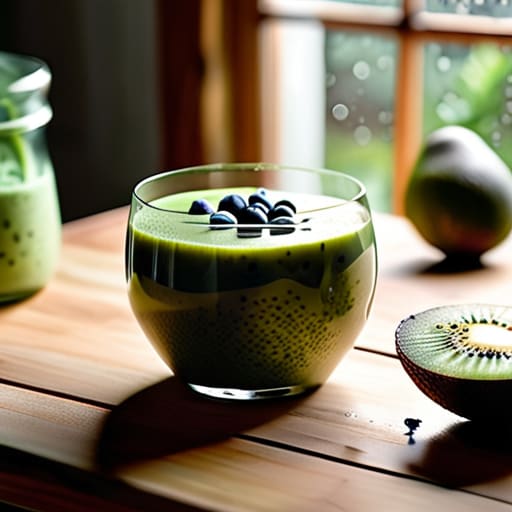
How to Blend a Smoothie That’s Truly Nutritious
I’m tired of seeing “wellness influencers” treat a simple breakfast like it’s a high-stakes chemistry experiment. You don’t need a $600 blender, a dozen exotic superfoods that cost more than your electricity bill, or a twenty-minute ritual just to figure out how to make a smoothie that doesn’t taste like grass. Most of these recipes are designed to make you feel like you’re failing if you aren’t buying organic dragon fruit every Tuesday. Honestly, that’s just manufactured complexity, and it’s a waste of your time and your money.
I’m not here to sell you on a lifestyle overhaul; I’m here to give you a system that actually works for a busy person. I’ve spent years refining a low-friction method that relies on what you actually have in your fridge, not what a sponsored post tells you to buy. I’ll show you how to build a repeatable formula that hits the right texture and flavor every single time without the unnecessary friction. Let’s get straight to the point and build a breakfast that serves your life, rather than adding another chore to your plate.
Table of Contents
Choosing the Best Blender for Smoothies and Minimal Cleanup
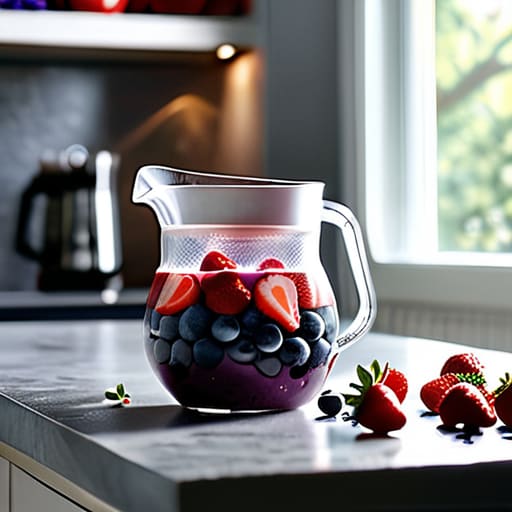
Don’t fall into the trap of buying a $600 professional-grade blender just because an influencer told you to. Unless you’re running a cafe out of your kitchen, most of those high-end machines are just overkill that will sit on your counter collecting dust. For my setup, I look for something with enough torque to handle frozen fruit vs fresh fruit without stalling, but more importantly, I prioritize ease of cleaning. If a blender takes ten minutes to scrub, you won’t use it. Look for models with removable blades or a “pulse” setting that makes rinsing out the residue effortless.
The goal here is low friction. You want a machine that handles your smoothie base ingredients—like oats, spinach, or almond butter—without leaving chunks behind. A decent mid-range blender is plenty if it can create a consistent, velvety consistency. If you’re adding protein to smoothies, make sure the motor is strong enough to emulsify powders so you aren’t drinking gritty clumps. Keep it simple: get a machine that works, is easy to wash, and stays out of your way.
Mastering Smoothie Base Ingredients for a Repeatable Morning Win
The secret to not quitting this habit by Wednesday is having a reliable lineup of smoothie base ingredients that don’t require a grocery run every single morning. I stopped buying everything fresh because, frankly, I don’t have the time to watch spinach wilt in the crisper drawer. Instead, I lean heavily on the frozen fruit vs fresh fruit debate: frozen is almost always the winner here. It acts as built-in ice, giving you that thick, creamy consistency without watering down the flavor. Keep a stash of frozen berries, mango chunks, and even frozen cauliflower (trust me, you won’t taste it) in your freezer at all times.
Once you have your frozen elements, you need a liquid anchor. I usually stick to unsweetened almond milk or plain water to keep things simple. If you’re feeling sluggish, this is the easiest window for adding protein to smoothies—a scoop of unflavored powder or even a dollop of Greek yogurt goes a long way. The goal isn’t a culinary masterpiece; it’s about building a repeatable system that keeps you full until lunch without a massive cleanup.
Five Low-Friction Rules for Better Smoothies
- Prep your “smoothie packs” on Sunday. Throw your fruit, greens, and whatever else goes in the blender into individual reusable bags and stash them in the freezer. When it’s 7:00 AM and you’re running late, you aren’t chopping anything; you’re just dumping a bag into the blender and hitting start.
- Follow the liquid-first rule. Always pour your milk, water, or juice into the blender before the frozen stuff. It prevents the blades from getting stuck in a frozen clump and saves you from that annoying, loud grinding sound that happens when you’re trying to force a machine to work.
- Stop buying expensive, single-use smoothie powders. Most of them are just overpriced sugar and filler. Stick to real food—oats for thickness, nut butter for fats, or even a scoop of plain Greek yogurt. It’s cheaper, better for you, and you actually know what’s in it.
- Use the “frozen fruit as ice” trick. If you want a thick, cold texture, don’t bother adding ice cubes—they just water everything down and make it taste thin. Use frozen bananas or frozen berries instead. You get the chill and the texture without sacrificing the flavor.
- Clean the blender immediately. I know, it sounds like a chore, but if you let that green sludge dry on the blades, you’re going to spend ten minutes scrubbing it later. As soon as you pour your drink, rinse the pitcher with warm water and a drop of soap, give it a quick spin, and you’re done.
Stop Overthinking the Blend
At the end of the day, a smoothie isn’t a culinary masterpiece; it’s a tool for survival and efficiency. You’ve got the right blender that won’t turn your kitchen into a crime scene, you know how to pick a base that actually fills you up, and you have a repeatable system that keeps you from staring blankly at the fridge at 7:00 AM. Don’t get caught in the trap of trying to find the “perfect” superfood or the most expensive organic powder. Just stick to the core components we discussed, keep your ingredients accessible, and prioritize a low-friction workflow that gets you out the door without a mental meltdown.
My philosophy has always been about building systems that work for you, not the other way around. If your morning routine feels like a chore, you’ve already lost. The goal here isn’t to become a wellness influencer; it’s to ensure that your nutrition is handled so you can focus on the things that actually matter to you. Start small, find the combinations that don’t taste like lawn clippings, and keep it consistent. Once you automate this one part of your morning, you’ll realize that small, repeatable wins are exactly how you build a life that feels controlled rather than chaotic.
Frequently Asked Questions
How do I stop my smoothies from turning into a sugary mess after a few days?
The mistake is treating smoothies like juice. If you’re just blending fruit, you’re essentially drinking a sugar bomb that’ll crash your energy by noon. To keep it stable, you need fiber and fat to slow down absorption. Throw in a handful of spinach, some chia seeds, or half an avocado. It adds texture and keeps your blood sugar steady. Stop chasing sweetness; start building a system that actually fuels you.
Is it actually worth buying expensive pre-made smoothie packs, or am I just paying for convenience?
Honestly? Most of the time, you’re just paying a massive markup for someone else to chop fruit. If you have ten minutes on a Sunday, buy the bulk bags of frozen berries and spinach yourself. It’s significantly cheaper and you control the quality. Only grab the pre-made packs if you’re truly stuck in a time crunch. Otherwise, treat them as a luxury, not a staple. Stick to the bulk stuff; your bank account will thank you.
How can I prep everything the night before without the fruit getting mushy or gross?
Don’t prep the whole smoothie; prep the components. If you mix everything in a pitcher overnight, you’re just making fruit sludge. Instead, use silicone bags or small glass jars to portion out your frozen fruit, greens, and seeds. Keep your liquid separate. In the morning, dump the frozen bag into the blender, add your milk or water, and you’re done in sixty seconds. It keeps the texture crisp and the workflow zero-friction.