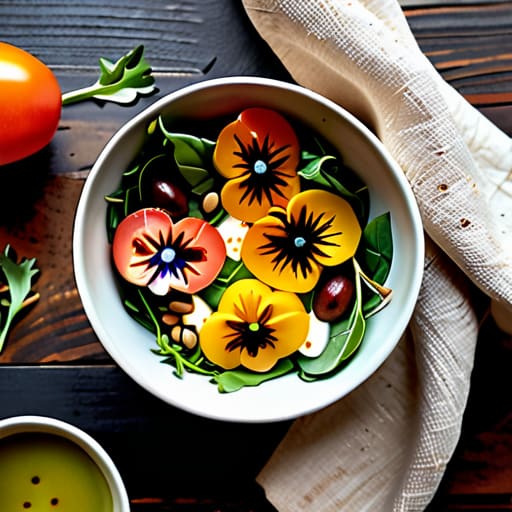
How to Craft Salads You’ll Truly Crave
I spent most of my early twenties staring down a bowl of limp arugula and wilted cucumbers, wondering why I was paying twelve dollars for something that tasted like wet paper. Most “wellness” influencers will tell you that learning how to make salad interesting requires a trip to a specialty grocer for organic microgreens and hand-pressed oils that cost more than my monthly internet bill. That’s a lie. You don’t need a curated pantry of expensive superfoods to avoid the mid-day slump of a boring lunch; you just need to stop treating your greens like a punishment.
I’m not here to give you a list of twenty-minute prep recipes that turn your kitchen into a disaster zone. Instead, I want to show you how to build a repeatable system using basic textures and pantry staples you likely already own. We’re going to focus on small, high-impact additions—things like crunch, acid, and fat—that actually make a meal worth eating without wasting your entire afternoon. Let’s get your lunch back on track with some low-effort wins that actually taste good.
Table of Contents
Mastering Flavor Balancing in Salads Without the Kitchen Drama
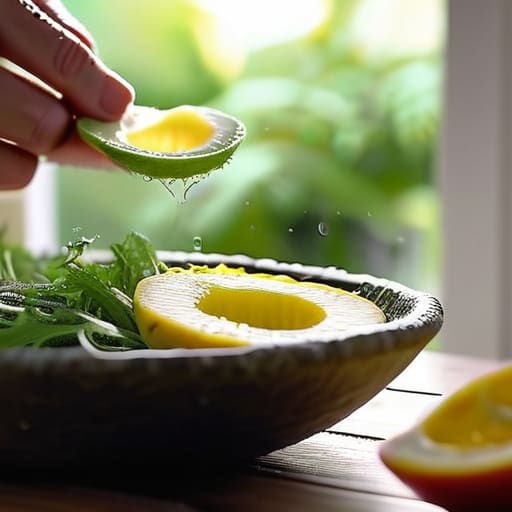
Most people mess up their salads because they treat the dressing like an afterthought—just a heavy pour of store-bought ranch to mask a pile of sad, wet greens. That’s a mistake. Real flavor balancing in salads comes down to the tension between fat, acid, and salt. If your bowl tastes flat, you don’t need more lettuce; you need a squeeze of lemon or a splash of apple cider vinegar to cut through whatever richness you’ve added. I usually keep a jar of basic vinaigrette in the fridge so I’m never scrambling, but the trick is ensuring that acid is strong enough to wake everything else up.
Once you have the liquid base sorted, you have to address the mouthfeel. A salad that is just soft leaves is a chore to eat. I’m big on adding texture to salads to make the meal feel intentional rather than accidental. Think about the contrast: if you have creamy goat cheese or avocado, you need something aggressive like toasted sunflower seeds or even crushed pita chips to provide a crunch. It’s about creating a system where every bite has a different sensation, making the whole process feel less like “eating your vegetables” and more like an actual meal.
Simple Salad Dressing Recipes That Actually Save You Time
Most people fail at salads because they buy those overpriced, bottled dressings that taste like salt and preservatives. If you want to actually enjoy your lunch, you need a few go-to salad dressing recipes that take less than two minutes to whip up in a jar. I keep a standard ratio in my fridge: three parts oil to one part acid (lemon juice or apple cider vinegar), a squeeze of Dijon mustard to act as an emulsifier, and a pinch of sea salt. It’s a basic system, but once you master that foundation, you stop treating dressing like a chore and start seeing it as the easiest way to hit those nutritious salad ingredients without any fuss.
Don’t overcomplicate the prep. If you’re feeling lazy, just grab a small mason jar, dump in your oil, vinegar, honey, and some dried herbs, then shake it like you mean it. This method is much more efficient than trying to whisk things in a bowl while your greens wilt on the counter. Having a jar of homemade vinaigrette ready to go is one of those small, repeatable wins that ensures you actually eat something decent instead of ordering takeout when you’re hungry.
5 Low-Effort Upgrades to Kill Salad Boredom
- Stop relying on just one texture. If your bowl is all soft leaves, it’s going to feel like eating wet paper. Throw in something crunchy—toasted sunflower seeds, crushed pita chips, or even just some sliced radishes—to give your brain something to actually do while you chew.
- Use “heavy hitter” toppings. Don’t just settle for cucumber and tomato. Keep a jar of pickled onions, some feta, or even some leftover roasted sweet potatoes in the fridge. These small, punchy additions do the heavy lifting so you don’t have to cook a whole new meal.
- Temperature contrast is a cheat code. I’ve learned that a salad feels way more substantial if you mix something warm with something cold. Throwing some warm, leftover grains or even just a bit of warm pan-seared tofu over cold greens makes it feel like a real meal rather than a side dish.
- Don’t fear the fruit. If your salad tastes flat, it probably needs acid or sweetness. A handful of dried cranberries, some sliced apple, or even just a few segments of orange can cut through heavy dressings and make the whole thing feel less like a chore.
- Salt your greens directly. This sounds weird, but if you’re using a lot of watery veggies like cucumber or tomato, hit them with a tiny pinch of salt before you add the dressing. It draws out the flavor and prevents your salad from turning into a puddle of bland water at the bottom of the bowl.
Stop Settling for Sad Salads
At the end of the day, making a salad interesting isn’t about following a complex recipe or buying expensive, pre-washed organic kits that wilt in two days. It’s about the systems we talked about: balancing your acid and fat, keeping a few pantry staples like toasted seeds or sharp cheese on hand, and having a few go-to dressings that take thirty seconds to whisk together. When you stop viewing a salad as a “diet requirement” and start seeing it as a modular assembly of textures and flavors, the mental friction disappears. You aren’t performing a chore; you’re just building a meal that actually tastes like something.
I know how it feels to be too tired after a long day to care about nutrition, but don’t let the “healthy eating” narrative make you feel like you have to suffer through a bowl of plain leaves. You don’t need a massive kitchen or a culinary degree to make something functional and delicious. Just start small. Pick one new texture to add to your bowl tomorrow, or try one new dressing ratio next week. The goal isn’t perfection; it’s about creating repeatable wins that keep you fueled without draining your energy. Your lunch should work for you, not the other way around.
Frequently Asked Questions
How do I keep my greens from turning into a soggy mess if I'm prepping my lunch for work the night before?
The secret is simple: stop mixing the dressing in. If you toss everything together at night, you’re just making expensive compost. Use a glass jar or a container with a divider. Put your heavy stuff—chickpeas, cucumbers, or proteins—at the bottom, then your greens on top. Keep the dressing in a separate tiny container or at the very bottom of the jar. Only mix it right before you eat. It takes ten extra seconds, but it works.
I don't have a lot of fancy kitchen gadgets; can I actually get decent texture without a food processor or expensive tools?
You don’t need a food processor to fix a mushy salad. Honestly, a food processor is just another thing to clean. Grab a heavy pan and toast some sunflower seeds or even some old breadcrumbs in a little butter—that’s your crunch right there. Or just use a knife to roughly chop some nuts or hard cheese. Texture is about contrast, not high-tech machinery. Keep it manual, keep it fast, and keep it simple.
How do I stop myself from just throwing in random toppings and actually making the meal feel filling enough to replace a real dinner?
Stop treating salad like a side dish and start treating it like a foundation. The mistake is thinking “toppings” are enough. To actually feel full, you need a structural system: a heavy protein (think canned chickpeas, leftover chicken, or a jammy egg), a complex carb (quinoa or farro), and a healthy fat (avocado or nuts). If you don’t have those three pillars, you’re just eating expensive lettuce and you’ll be hungry in twenty minutes.