Kitchen Tools That Are Truly Worth the Counter Space
I spent most of my childhood watching my mom try to make a single-burner stove work for a family of three, so I grew up with a deep respect for anything that makes a small space function better. Most people think upgrading a kitchen means buying every shiny, overpriced tool they see on a late-night infomercial, but that’s just a fast way to clutter your counters and drain your savings. The reality is that most of those “must-have” items are just expensive dust collectors. I’ve spent a lot of time filtering through the noise to find the actual kitchen gadgets worth buying—the ones that solve a specific friction point in your daily routine without demanding an hour of cleaning afterward.
In this list, I’m cutting through the marketing fluff to give you five specific tools that actually earn their keep. We aren’t looking for novelty here; we’re looking for utility. I’m going to show you how to select items that streamline your prep work and minimize the post-meal cleanup, so you can spend less time managing your kitchen and more time actually enjoying your food. These are the small, repeatable wins that turn a chaotic cooking session into a seamless part of your day.
Table of Contents
The Cast Iron Skillet That Lasts Forever
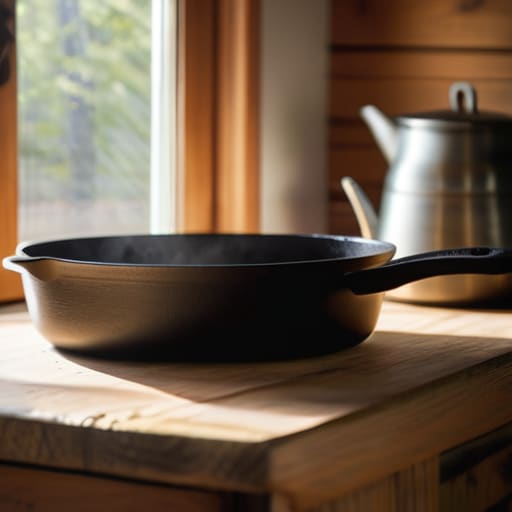
I grew up watching my mom try to replace cheap, non-stick pans every six months because the coating would flake off. It was a constant drain on our grocery budget and a massive waste of space. If you want to stop that cycle, just buy one solid cast iron skillet. It’s heavy, it’s basic, and it’s virtually indestructible.
A High-Quality Chef’s Knife
Most people think they need a massive 20-piece knife block taking up counter space, but that’s just marketing fluff. In reality, a single, sharp, well-balanced chef’s knife is the only thing that actually makes cooking feel less like a chore. When your blade is dull, you’re fighting the food, which makes prep work exhausting and dangerous.
The Digital Instant-Read Thermometer
There is nothing more frustrating than spending forty minutes cooking a piece of protein only to realize it’s either raw in the middle or dry as a bone. Throwing away wasted food is a direct hit to your wallet, and I hate seeing money go in the trash. A digital thermometer takes the guesswork out of the equation entirely.
An Immersion Blender
If you’re making soups, sauces, or even a quick smoothie, pulling out a massive, heavy countertop blender is a hassle I simply don’t have time for. Most of those bulky machines are overkill for daily use and a nightmare to clean. An immersion blender, or a “stick blender,” is the efficient alternative for anyone living in a smaller space.
A Heavy-Duty Bench Scraper
This is one of those tools that seems totally unnecessary until you actually use it. When I’m prepping a lot of veggies, my cutting board ends up covered in scraps, peels, and chopped bits that make a mess of my workspace. A bench scraper lets you sweep everything into a neat pile and move it to the pan in one single motion.
The Bottom Line
At the end of the day, the goal isn’t to build a showroom-ready kitchen or to collect every shiny new piece of tech that hits the market. It’s about identifying the specific friction points in your daily routine and removing them. Whether it’s a high-quality chef’s knife that makes prep work feel less like a chore, or a reliable electric kettle that automates your morning ritual, these tools only earn their place on your counter if they actually buy you back time. If a gadget doesn’t solve a problem or simplify a repetitive task, it’s just more clutter taking up mental and physical space. Focus on investing in utility rather than following a trend.
My philosophy has always been that your environment should work for you, not the other way around. You don’t need a massive kitchen or a professional-grade setup to live a functional, streamlined life; you just need a few reliable systems that keep things moving. Don’t feel pressured to overhaul your entire home overnight. Start small, buy things that are built to last, and prioritize the items that make your most frequent tasks feel effortless. Once you stop fighting your tools, you can finally start enjoying the process of just living.
Frequently Asked Questions
How do I know if a gadget is actually a time-saver or just more clutter for my limited counter space?
Before you tap “buy,” ask yourself two things: Does this replace three other tools, or does it just sit there? If it requires a specialized storage bin or a deep scrub every time you use it, it’s clutter, not a tool. A real time-saver should solve a friction point in your routine—like making prep faster or cleanup easier—without demanding its own dedicated real estate in your life. If it doesn’t earn its spot, leave it.
Are there cheaper, non-branded alternatives that perform just as well as the high-end versions?
Look, I get it. Brand names carry a premium, but usually, you’re paying for the logo and a fancy marketing budget. For things like heavy-duty pans or basic prep tools, generic or store-brand versions often use the exact same stainless steel or silicone. I always check the specs first—if the material is identical, buy the cheaper one. Save that extra cash for better ingredients; a mid-range knife with a sharp edge beats an expensive one that’s dull.
Which of these items are worth the upfront cost versus things I can just do manually without much trouble?
Look, if a tool just automates a task you can do in thirty seconds with your hands, skip it. Don’t buy a gadget to chop one onion. Focus your budget on the “heavy lifters”—things like a high-quality blender or an immersion circulator—that handle tasks requiring precision or significant physical effort. If it saves you twenty minutes of cleanup or prevents a ruined meal, it’s an investment. If it just sits in a drawer, it’s clutter.