Make Old Furniture Look High-end With These Upcycling Tips
I used to think that having a decent-looking apartment meant having a massive credit limit or a truck full of new IKEA boxes. Growing up in a cramped space, I learned pretty quickly that if you want something that actually looks good and lasts, you can’t just buy your way out of a small budget. Most people see a scratched-up dresser or a wobbly chair and think it’s trash, but that’s just a missed opportunity for some smart upcycling furniture ideas. The problem isn’t the furniture itself; it’s the misconception that you need a workshop and a month of free time to make a real difference in your space.
In this post, I’m breaking down five specific ways to breathe life into old pieces without turning your living room into a construction zone. We aren’t doing any massive, soul-crushing renovations here; I’m focusing on high-impact, low-effort shifts that actually respect your time. You’re going to learn how to select the right projects that offer the most aesthetic bang for your buck, ensuring your home feels curated rather than cluttered. Let’s get into the systems that make your furniture work for you.
Table of Contents
Swap the Hardware
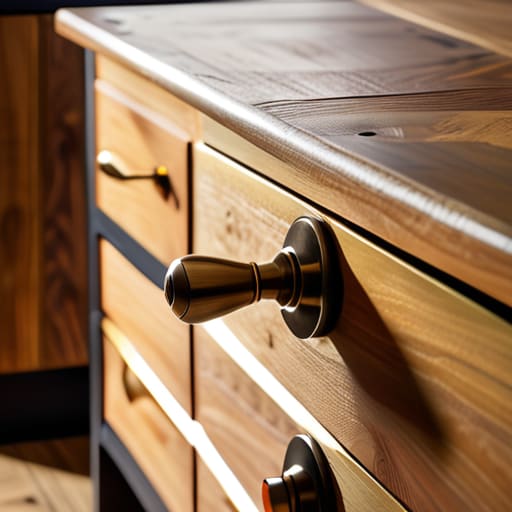
Most of the time, a piece of furniture looks cheap not because the wood is bad, but because the hardware is dated or flimsy. If you find a solid wood dresser at a thrift store that’s covered in that heavy, orange-toned veneer, don’t bother sanding it down for six hours. Just unscrew the old, generic knobs and replace them with something substantial—think matte black pulls or brushed brass. It’s a five-minute fix that changes the entire visual weight of the piece.
The Single-Color Refresh
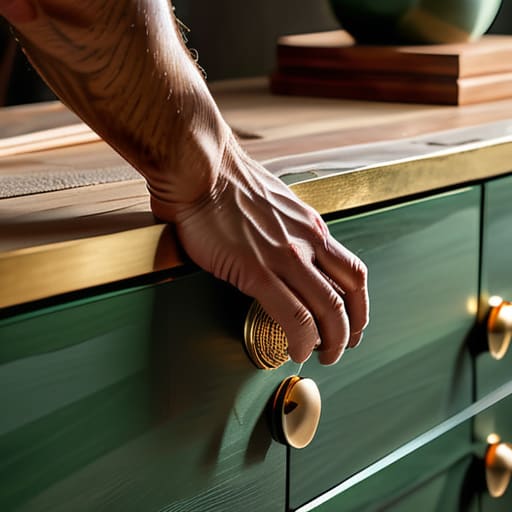
We’ve all seen those DIY videos where someone spends three days stripping, priming, and layering colors on a chair. Honestly, if you don’t have the time or the workspace, skip it. Instead, pick up a small can of high-quality matte paint and just give the piece a single, solid coat. A dark charcoal or a deep forest green can turn a boring side table into something that looks intentional and modern.
Leg Upgrades
If you have a heavy, bulky nightstand or a low-profile coffee table that feels a bit grounded in a bad way, look at the legs. Swapping out chunky wooden legs for slim metal hairpins or tapered mid-century styles can completely change how a piece sits in a room. It adds visual breathing room underneath the furniture, which makes a cramped apartment feel significantly larger and less cluttered.
Contact Paper for Surfaces
Sometimes the top of a desk or a bookshelf is just too scarred up to ignore, but you aren’t looking to commit to a full sanding session. This is where high-quality contact paper or adhesive vinyl comes in handy. I’m not talking about the cheap stuff kids use for school projects; I mean the heavy-duty versions that mimic marble, wood grain, or even concrete. It’s a temporary, non-destructive way to hide years of coffee rings and scratches.
The Statement Textile Wrap
If you have a chair with a seat that’s seen better days, don’t throw it out just because the fabric is ugly. Instead of learning how to use an industrial upholstery stapler, just use a heavy-duty, textured fabric and a few strategically placed clips or even a bit of tension. A thick linen or a heavy cotton weave can mask a decade of wear and give an old piece a much-needed texture upgrade.
The Bottom Line
At the end of the day, upcycling isn’t about turning your apartment into a Pinterest board or spending forty hours sanding a single chair. It’s about the small, strategic moves—swapping out hardware, giving a surface a quick coat of paint, or just cleaning up the grime on an old side table. Whether you’re refreshing a nightstand to match your new setup or breathing life into a thrifted find, the goal is to create a space that feels intentional without draining your bank account or your limited free time. These aren’t massive renovations; they are just small, repeatable wins that keep your environment functional and your budget intact.
Don’t let the fear of making a mistake stop you from trying something new. Most of these fixes are entirely reversible, and even if a project doesn’t turn out exactly how you pictured it, you’ve still gained a skill and saved money in the process. You don’t need a massive workshop or a professional degree in design to live well; you just need to look at what you already own with a bit more curiosity. Stop waiting for the “perfect” piece of furniture to arrive in a delivery truck and start seeing the potential in what’s already sitting in your living room. Just pick one thing, grab your tools, and get started.
Frequently Asked Questions
How can I tell if a piece of furniture is actually worth the effort of fixing, or if I'm just throwing good money after bad?
Look at the bones. If it’s solid wood or heavy metal, it’s worth the sweat. If it’s particle board or MDF that’s already swelling from moisture, walk away—it’s a lost cause. Check the joinery too; if the joints are loose but the wood is good, you can fix it. But if the structural integrity is gone, don’t waste your Saturday. Some things are just destined for the landfill, and that’s okay.
What are the absolute bare-minimum tools I need to get started without spending a fortune on a workshop setup?
You don’t need a garage full of power tools to make something look decent. Honestly, if you have a multi-bit screwdriver, a hammer, a measuring tape, and some sandpaper, you’re already ahead of most people. Throw in a cheap set of Allen keys and maybe a small bottle of wood glue, and you can handle 90% of the basic refreshes I talk about. Keep it light; the goal is to fix things, not build a hobby shop.
Is it better to go for a full paint job or just focus on small hardware swaps if I'm short on time?
If you’re short on time, skip the paint. A full paint job is a commitment—you have to prep, sand, prime, and deal with the inevitable cleanup. It’s easy to turn a two-hour task into a whole weekend of frustration. Just swap the hardware. New brass pulls or matte black knobs take twenty minutes and immediately change the vibe. It’s a small, repeatable win that gives you the aesthetic boost without the burnout.