Master Your Closet Organization and Maintain It Effortlessly
I spent my childhood in a two-bedroom apartment where “storage space” was a polite fiction. I remember the specific, suffocating feeling of digging through a mountain of mismatched hangers just to find one clean shirt for school, only to realize half the stuff in there didn’t even fit me anymore. Most “expert” guides on how to organize a closet want you to buy a $200 set of velvet hangers and a modular shelving system that looks great on Instagram but falls apart the moment you actually use it. I’m not interested in aesthetic perfection that requires a second mortgage; I’m interested in functional systems that don’t turn your morning routine into a scavenger hunt.
I’m not here to sell you on a lifestyle overhaul or a weekend-long deep clean that leaves you exhausted and broke. Instead, I’m going to show you how to build a low-maintenance setup using what you already own and a few cheap, practical adjustments. We’re going to focus on repeatable wins—small, logical shifts in how you categorize and store your gear so that your clothes actually serve your life, rather than your life serving your chores.
Table of Contents
Rapid Closet Decluttering Steps for Busy People
Look, you don’t need a marathon session to fix this. If you try to pull every single item out of your wardrobe at once, you’ll just end up sitting on the floor in a pile of laundry, paralyzed by decision fatigue. Instead, use a high-speed triage method. Grab three boxes: Keep, Donate, and Trash. Go through your clothes in fifteen-minute sprints. If you haven’t worn it in a year or it makes you feel like you’re playing dress-up in someone else’s life, it goes. These closet decluttering steps aren’t about perfection; they’re about clearing the mental static so you can actually find a shirt in the morning.
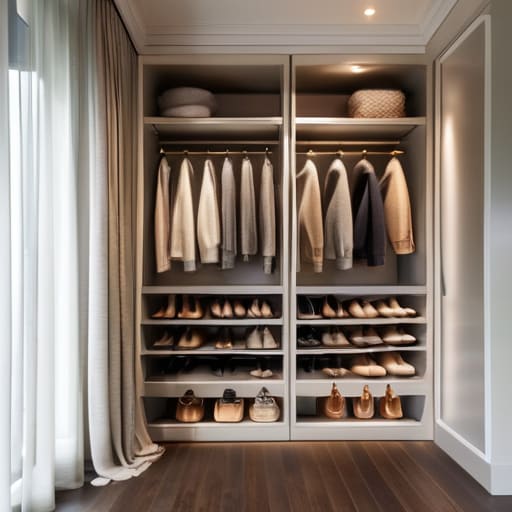
Once the excess is gone, don’t overcomplicate the rest. Avoid the urge to spend hours organizing clothes by color unless you actually enjoy that level of maintenance. For most of us, that’s just extra work we won’t do. Focus on functional grouping instead—keep work gear together and gym stuff in one spot. If you’re dealing with limited square footage, look into maximizing vertical closet space by adding extra hanging rods or high shelves. It’s about making the space work for you, not the other way around.
Small Closet Organization Hacks That Actually Save Time
Once you’ve cleared the floor, stop looking for expensive organizational systems that require a PhD to assemble. Most of those “aesthetic” bins you see on social media are just clutter in disguise. Instead, focus on maximizing vertical closet space. If you have room above your hanging rod, get a sturdy, slim shelf or some stackable bins. It’s the easiest way to reclaim the dead air that usually just collects dust.
Don’t get caught in the trap of over-categorizing. I used to spend way too much time trying to sort everything into tiny sub-sections, only to mess it up two days later. If you want a system that sticks, try organizing clothes by color or by category (tees, hoodies, button-downs). It’s a low-effort way to find what you need in five seconds flat without needing a spreadsheet.
Finally, look at your floor. If you’re tripping over shoes, grab a simple hanging organizer or a small tiered rack. These are some of the most effective small closet organization hacks because they keep the footprint of your clothes contained. The goal isn’t a showroom; it’s a space where you can actually find your socks when you’re running late.
Five Low-Effort Systems to Keep the Chaos at Bay
- Stop buying those flimsy plastic hangers. If you can afford it, grab a pack of matching velvet or wooden ones. It sounds superficial, but when everything is the same width, your eyes stop scanning for “mess” and start seeing a system. It makes getting dressed in the dark a lot less frustrating.
- Use the “One-In, One-Out” rule for your most used categories. If you buy a new heavy sweater, one old one has to go—donate it, sell it, or toss it. This prevents that slow, creeping bloat that turns a functional closet into a storage unit.
- Group by category, not by color. I know the aesthetic influencers love a rainbow gradient, but that’s extra work you don’t need. Just group all your shirts together, then all your pants. It’s faster to find what you need when you’re running five minutes late for a meeting.
- Utilize vertical space with slim bins or hanging organizers for the stuff that doesn’t hang well. Socks, gym gear, and rolled-up tees shouldn’t be taking up prime real estate on your hangers. Get them into a dedicated bin so they aren’t just a pile on the floor.
- Keep a “Maybe” box in the bottom of the closet. If you pull something out and you’re not 100% sure you’ll wear it this season, don’t fight about it. Put it in the box. If you haven’t touched that box in three months, the decision is made for you: get rid of it.
Getting Out of Your Own Way
At the end of the day, organizing your closet isn’t about achieving some Pinterest-perfect aesthetic that requires a professional organizer and a massive budget. It’s about the small, practical shifts: purging the stuff you haven’t touched in a year, using simple bins to stop the floor-pile from forming, and setting up a system that actually works for your routine. If you’ve implemented even one of the hacks we talked about, you’ve already won. You’ve stopped fighting your clothes and started building a space that serves you, rather than adding another chore to your mental load. Just focus on maintaining the momentum with small, repeatable actions rather than trying to be perfect every single morning.
I know it feels like a lot when you’re staring at a mountain of fabric and tangled hangers, but remember that a functional home is built in increments. You don’t need a walk-in wardrobe or a designer lifestyle to feel like you have your life under control; you just need a space where you can find your favorite shirt without a scavenger hunt. Don’t let the pursuit of “perfect” become an excuse for procrastination. Pick one corner, apply one system, and get back to living your life. The goal isn’t a museum; it’s a home that works for you.
Frequently Asked Questions
How do I decide what to keep when I know I might want to wear it again in six months?
The “six-month rule” is a trap that usually just results in a cluttered closet and decision fatigue. If you’re hesitating, ask yourself: Does this actually fit my current life? If you’re keeping a formal blazer “just in case” but you haven’t left the house for a wedding in two years, it’s dead weight. If it’s truly a staple, keep it. If it’s a “maybe,” put it in a single bin. If you don’t reach for it by next season, let it go.
I have zero floor space; what are some ways to use vertical space without it looking cluttered?
If you’ve got zero floor space, stop looking down and start looking up. I used to live in a studio where every square inch felt like a battleground. The trick isn’t adding more bins; it’s using the walls. Install a sturdy pegboard or some floating shelves above your hanging rod for hats and bags. Use over-the-door organizers for shoes or accessories. It keeps the floor clear and the visual noise low, so you actually have room to breathe.
Is it actually worth investing in expensive organizers, or can I just use what I already have around the house?
Look, unless you’re trying to curate a museum, don’t go overboard with the designer bins. Most of those expensive organizers are just aesthetic distractions that end up collecting dust. I’ve learned that a sturdy shoebox or a heavy-duty cardboard divider works just as well as something from a high-end boutique. Spend your money on things that actually last—like better hangers—and use what you have for the rest. Keep it functional, not fancy.