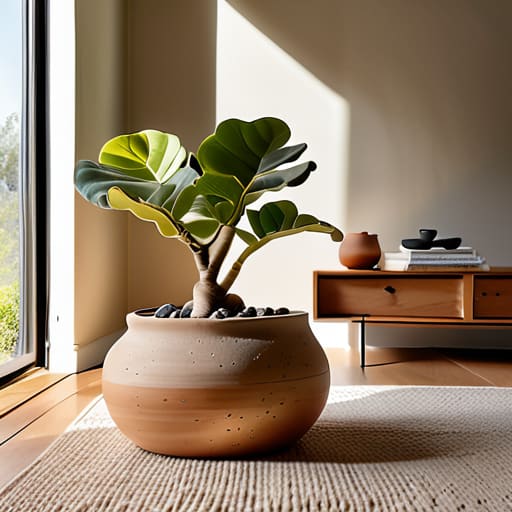
Minimalist Living Without the Empty, Cold Feeling
I’m tired of seeing those “aesthetic” minimalism videos where people live in empty, white boxes that look more like high-end art galleries than actual homes. It’s a total scam. Real life involves stuff—tools, books, clothes, and the occasional half-finished project—and trying to force your space into a sterile, museum-like void is just another way to waste your energy. Most of the minimalist home tips you see online assume you have an unlimited budget to replace everything you own with designer versions of the same thing. That’s not minimalism; that’s just expensive consumerism in a different outfit.
I’m not here to tell you to throw away your memories or live in a vacuum. Instead, I want to share the actual, low-effort systems I’ve built to keep my apartment functional without it becoming a second job. We’re going to focus on small, repeatable wins that reduce visual noise and stop the clutter from creeping back in. No expensive hauls, no complex decluttering marathons—just practical ways to make your space work for you, so you can actually enjoy your time instead of constantly managing your belongings.
Table of Contents
Low Stakes Decluttering Techniques for Beginners
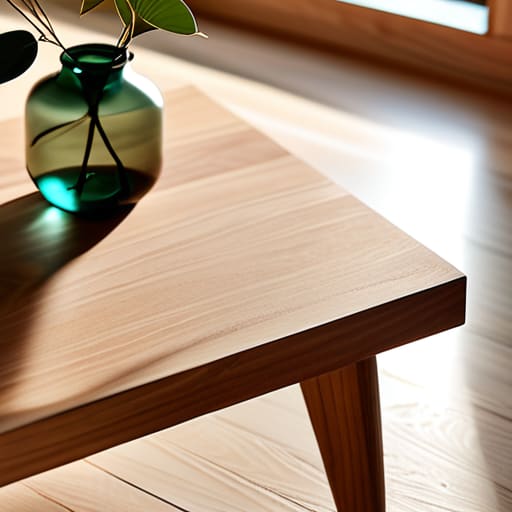
Most people approach cleaning like it’s a marathon, but if you try to tackle your entire apartment in one Saturday, you’re just going to burn out and end up with a bigger mess. Instead, try the “one-surface rule.” Pick one spot—a coffee table, a single kitchen counter, or even just your nightstand—and clear it completely. Once that surface is empty and wiped down, you’ve won. It’s one of those simple decluttering techniques for beginners that actually works because it doesn’t demand an entire afternoon of your life.
Another way to keep things manageable is to treat your belongings like a capsule wardrobe for home organization. Instead of letting every gadget and knick-knack fight for space, decide which items actually earn their keep. If a tool hasn’t seen the light of day in six months, it’s just taking up mental energy. By focusing on reducing household clutter through these tiny, localized wins, you’re building a system that maintains itself without you having to schedule a “deep clean” every single month.
Building Intentional Living Spaces Without the Burnout
The problem with most advice on creating intentional living spaces is that it assumes you have a blank canvas and a massive budget. In reality, most of us are working with whatever square footage we can afford. You don’t need to gut your apartment to feel like you’re in control of it. Instead of trying to redesign every room at once, focus on the utility of your surfaces. If a table or a countertop isn’t serving a specific purpose, it shouldn’t be holding a pile of mail or random gadgets. When you clear the visual noise, you stop feeling like your environment is closing in on you.
I also think we need to stop treating decor like a hobby we have to fund every month. A huge part of reducing household clutter is simply deciding that “enough” is a finished state. I apply a bit of a capsule wardrobe logic to my shelves: if an object doesn’t work, look good, or hold actual sentimental value, it’s just taking up mental bandwidth. Build your space around the things you actually use daily, and let the rest go.
Small Systems for a Functional Space
- Stop the “one day” trap. If you see something that needs fixing or a surface that needs clearing, do it now if it takes under two minutes. If it takes longer, put it in your notebook and schedule it for a specific time. Don’t let small tasks become a mountain of mental clutter.
- Adopt a “one in, one out” rule for your high-use items. If you buy a new heavy-duty kitchen knife, an old one has to go. This prevents the slow creep of “stuff” that happens when you think you have unlimited shelf space.
- Use the “Flat Surface Rule.” Keep your dining table, desk, and kitchen counters as clear as possible. These are your high-productivity zones; if they are covered in mail and random objects, your brain will feel as cluttered as the room.
- Invest in quality, multi-purpose tools instead of gadgetry. I’d rather have one solid, versatile screwdriver and a reliable set of containers than a drawer full of single-use plastic junk that breaks after three uses.
- Audit your digital-physical overlap. We often clutter our homes with things like old charging cables, manuals, and printed receipts we don’t actually need. Scan what’s important, toss the rest, and stop treating physical paper as a permanent storage solution.
The Long Game
At the end of the day, minimalism isn’t about living in a sterile white box or owning exactly thirty items. It’s about the systems we talked about—the low-stakes decluttering that stops the chaos before it starts and the intentionality that keeps your space from becoming a graveyard for impulse buys. If you can master the art of small, repeatable wins, you won’t find yourself staring at a mountain of clutter every Sunday night feeling defeated. Focus on making your environment work for you, rather than spending your limited free time just trying to keep your head above water.
I know it feels overwhelming when you look at a messy room or a cluttered bank statement, but remember that progress isn’t a sprint. You don’t need to overhaul your entire life by Monday morning to see a difference. Just pick one corner, one drawer, or one habit and get it right. Build a life that actually has room for the things that matter—the hobbies, the rest, and the people—instead of just more stuff to manage. You’ve got this; just keep it simple and functional.
Frequently Asked Questions
How do I start decluttering if I actually need most of the stuff I own for work or daily life?
If you actually use it, don’t toss it—just optimize its footprint. Most “clutter” is just stuff that hasn’t found its home yet. Instead of asking “Do I need this?”, ask “Where does this live?” If your work tools are scattered across three different surfaces, they aren’t clutter; they’re just unorganized. Group your essentials into “active zones.” If it’s something you use daily, it stays within arm’s reach. If it’s monthly, it goes in a bin. Clear the visual noise first.
What’s the best way to keep the clutter from just creeping back in a month after I've cleaned?
The secret isn’t a massive weekend purge; it’s managing the “entry points.” Clutter creeps back because we treat our homes like storage units instead of living spaces. Start a “one-in, one-out” rule for anything physical—new clothes, kitchen gadgets, whatever. Also, implement a five-minute reset every night before bed. Don’t aim for perfection; just clear the surfaces that stress you out most. If it doesn’t have a designated home, it’s just future clutter.
Is it possible to make a small apartment feel minimalist without it looking cold or empty?
The trick is to stop thinking of minimalism as “emptiness” and start thinking of it as “utility.” You don’t need a white box; you just need things that actually earn their keep. Swap out cheap, cluttered decor for one or two high-quality pieces—maybe a well-made wooden chair or a vintage lamp I found at a thrift store. Use texture, like a heavy linen throw or a ceramic mug, to add warmth without adding visual noise.