Modern Concrete Diys That Look High-end for Very Little
Most people think making your apartment look “designed” requires a massive budget or a weekend spent scrolling through overpriced furniture sites. I used to think the same thing, growing up in a space where everything was either broken or just plain mismatched. But I’ve learned that you don’t need a designer’s bank account to create an intentional home; you just need a few smart, tactile projects. Exploring different concrete craft ideas is one of the fastest ways to add weight and texture to a room without the clutter. It’s about moving away from cheap, plastic decor and toward something that actually feels permanent and grounded.
In this post, I’m breaking down five specific projects that balance utility with a minimalist aesthetic. I’m not talking about those over-complicated DIYs that leave your kitchen covered in grey dust for three days. Instead, we’re looking at small, repeatable wins—things like custom desk organizers and planters—that you can finish in an afternoon. These five concrete craft ideas are designed to give your space a high-end, architectural feel while remaining completely low-effort. Let’s get into it.
Table of Contents
Minimalist Desk Trays
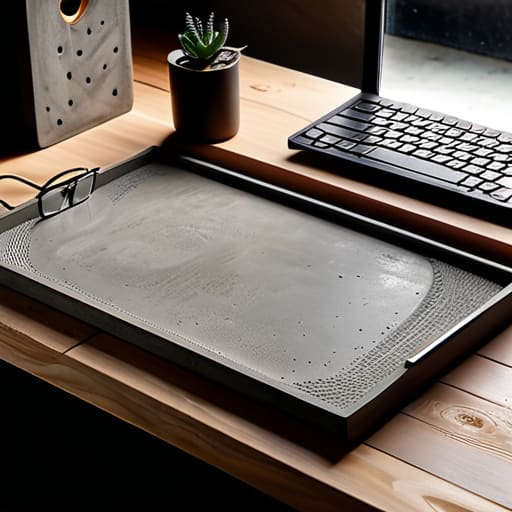
Most of my desk setup is dedicated to my analog gear, so I can’t afford to have loose cables or SD cards cluttering up my workspace. Instead of buying some overpriced plastic organizer from a big-box store, I started casting simple, shallow trays out of concrete. It only takes a small container—even an old yogurt cup works—to create a heavy, intentional-looking piece that keeps my essentials in one spot.
Brutalist Planters for Small Spaces
If you’re living in a small apartment like I am, you know that plants are non-negotiable for making a space feel alive, but cheap plastic pots look terrible. I like to make my own planters using a “two-container” method: one larger container for the mold and a smaller one to create the cavity inside. It gives you that heavy, brutalist aesthetic that makes even a single succulent look like a piece of curated art.
Weighted Incense or Candle Holders
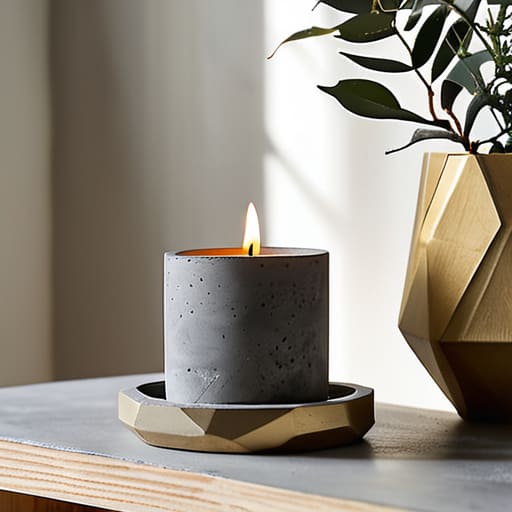
I’ve found that most decorative items on my shelves are either too flimsy or too expensive. Casting a few small, geometric holders for candles or incense is a great way to add weight and stability to your decor. You can use anything from silicone molds to repurposed kitchenware to get the shape you want, which allows you to customize the vibe to match your specific style.
Industrial Bookends
If you have a collection of heavy textbooks or design manuals, you need something substantial to keep them upright. I used to use heavy objects I found around the house, but they always looked messy. Making concrete bookends allows you to create something that is both functional and architectural, providing the necessary weight to hold even the thickest volumes in place.
Custom Coasters for Low-Stakes Living
We’ve all been there—you’re working or relaxing, and you set a cold drink down on a wooden surface, leaving a permanent ring behind. Instead of hunting for a coaster set that matches your room, just cast a few thick, circular ones. It’s arguably the lowest barrier to entry for anyone wanting to try working with concrete for the first time.
The Bottom Line
At the end of the day, these concrete projects aren’t about becoming a professional sculptor or filling your shelves with unnecessary clutter. Whether you’re casting a simple planter to hold your desk succulents or making a heavy-duty coaster set to protect your coffee table, the goal is to create something functional and intentional. You’ve seen how easy it is to turn a bag of quick-set mix and a few repurposed containers into something that actually looks like it belongs in a curated apartment. It’s about making small, tactile improvements to your space that don’t require a massive budget or a dedicated workshop.
Don’t get caught in the trap of thinking you need the most expensive molds or a perfectly organized studio to start. The beauty of working with concrete is that it’s inherently imperfect; those little air bubbles and texture shifts are what give the pieces character. My advice is to just start small and keep it simple. Once you have one or two pieces that actually serve a purpose in your daily routine, you’ll realize that building a home you love is less about the stuff you buy and more about the systems—and the things—you create for yourself.
Frequently Asked Questions
Do I really need a professional mold, or can I just use old plastic containers from my kitchen?
Honestly, don’t waste your money on professional molds yet. I grew up fixing things with whatever was lying around, and that’s exactly how you should approach this. Grab those old yogurt tubs, takeout containers, or even sturdy cardboard boxes from your recycling bin. Just make sure they’re clean and can handle the weight. It’s about finding utility in what you already own—it’s cheaper, more sustainable, and gets the job done just fine.
How do I stop the concrete from cracking or crumbling after it dries?
Cracking usually happens because the water evaporated too fast or your mix was too thin. If you’re making small decor items, aim for a thicker, sludge-like consistency—not soup. Most importantly, don’t rush the drying process. Keep your pieces in a cool, shaded spot away from direct sunlight or drafts. If you want extra durability, mix in a little polymer additive or seal the finished piece with a matte concrete sealer once it’s fully cured.
What’s the best way to seal these pieces so they don't leave gray dust rings on my furniture?
Nothing ruins the vibe of a clean apartment faster than a gray dust ring on a wooden table. Since we’re keeping this low-effort, don’t bother with heavy industrial coatings. Grab a can of matte spray sealant—not gloss, unless you want that cheap plastic look. Just hit them with two thin, even coats in a well-ventilated area. It’s a five-minute job that saves your furniture and keeps your setup looking intentional.