
Simple Ways to Add Instant Coziness to Any Room
I spent most of my childhood in a cramped apartment where “cozy” usually just meant we were too close together to move. Because of that, I have a massive problem with the way lifestyle influencers talk about how to make your home cozy. They want you to believe it requires a $300 linen duvet, a curated collection of ceramic vases, and a complete room overhaul that costs more than my monthly rent. To me, that isn’t coziness; that’s just expensive staging. Real comfort isn’t about buying a lifestyle; it’s about configuring the space you actually have so it doesn’t feel like a waiting room.
I’m not here to sell you a Pinterest board or a shopping list of things you don’t need. Instead, I want to show you how to build a few low-effort systems that make your space feel warm and intentional without draining your bank account or your entire Saturday. We’re going to focus on small, repeatable adjustments—things like lighting, texture, and layout—that actually serve your daily life. My goal is to help you create a sanctuary that feels lived-in and functional, not a showroom you’re afraid to touch.
Table of Contents
Warm Lighting for Living Rooms Without the Electrical Headache
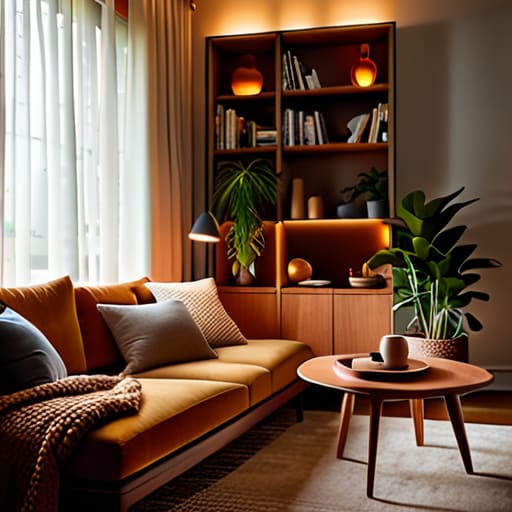
If you’re renting or just don’t want to deal with a contractor, stop relying on that single, aggressive overhead light. It’s the fastest way to kill a mood. Instead, focus on warm lighting for living rooms by using “islands” of light. Grab a couple of inexpensive floor lamps or even some rechargeable LED puck lights to tuck behind your sofa or near a bookshelf. The goal is to create soft pockets of light at eye level rather than one bright glare from the ceiling.
I’ve found that the most effective way to do this without a massive setup is to lean into smart bulbs or simple dimmers. You don’t need a complex system; you just need to control the temperature. Aim for a “warm” setting—something in the 2700K range—to help with creating a sensory home environment that actually signals your brain to relax after a long day. It’s a low-effort shift that makes a huge difference in how your space feels when the sun goes down.
Textile Layering Techniques for Instant Comfort on a Budget
If you’re working with a small space or a tight budget, you don’t need to buy a whole new furniture set to change the vibe. The easiest way to shift the energy is through textile layering techniques. Think of it as adding depth to a flat surface. If your sofa feels a bit sterile or “dorm room” adjacent, don’t just throw one pillow on it and call it a day. Instead, mix textures: a heavy knit throw draped over the arm, a smooth linen cushion, and maybe something with a bit of weight like corduroy. It’s about creating a tactile experience that makes you actually want to sit down and stay a while.
The goal here isn’t to create a cluttered mess, but to practice a bit of minimalist cozy decor. You want layers that feel intentional, not accidental. I usually stick to a tight color palette—neutrals, earth tones, or deep forest greens—so the different fabrics feel like they belong together. This approach is much more effective for creating a sensory home environment than buying cheap, matching decor sets that lack any real character. Just grab a couple of high-quality textures, and you’re halfway there.
Low-Maintenance Sensory Shifts to Ground Your Space
- Scent is the fastest way to change a room’s vibe without moving a single piece of furniture. Skip the expensive, complicated diffusers and just stick to one high-quality soy candle or a simple incense stick. I keep a single sandalwood stick for when I’m working late; it signals to my brain that the day is winding down without me having to do a whole “wind-down ritual.”
- Bring in some actual life, but don’t overcommit to a high-maintenance jungle. If you don’t have the time to baby a fiddle-leaf fig, get a pothos or a snake plant. They’re hard to kill, they clean the air, and that bit of green makes a sterile apartment feel like a home.
- Clear the visual noise. A “cozy” home isn’t a cluttered one; it’s a curated one. If your coffee table is covered in mail and loose change, it’s going to feel chaotic, not comfortable. Use a single tray to corral your remote, a book, and your keys. It turns clutter into a deliberate arrangement.
- Soundscapes matter more than you think. If your apartment feels hollow or too quiet, it can actually feel unsettling. I don’t leave the TV on for background noise—that’s just more mental clutter. Instead, I use a low-fi playlist or even just a white noise machine to fill the empty space and dampen the sounds of the neighbors.
- Fix the “small” broken things. There is nothing that kills a cozy mood faster than a wobbly chair or a drawer that sticks. You don’t need a full toolkit; just a screwdriver and ten minutes. Taking care of the little mechanical annoyances makes your environment feel stable and intentional rather than just a place you’re passing through.
Making It Stick
At the end of the day, making a space feel cozy isn’t about buying a curated set of expensive decor from a catalog. It’s about the small, intentional shifts we talked about: swapping out that harsh overhead light for a warm lamp, layering a cheap but soft throw over a worn-out sofa, and choosing textures that actually feel good against your skin. You don’t need a massive budget or a weekend-long renovation project to change the energy of your room. If you focus on low-effort, high-impact adjustments, you create a home that supports your rest instead of just looking good in a photo.
My advice is to stop waiting for the “perfect” apartment to start living your life. Your space is allowed to be a work in progress, and it’s allowed to be a little messy. The goal isn’t perfection; it’s about building a sanctuary that serves you when you’re exhausted after a long day. Start with one single change—maybe it’s just a better candle or a softer pillow—and see how it shifts your mood. Build your environment one small, repeatable win at a time, and eventually, you’ll realize you’ve built a place that actually feels like home.
Frequently Asked Questions
How do I make a small, rented apartment feel cozy without losing my security deposit or buying permanent fixtures?
Stick to “command hook” logic. If it requires a drill, don’t do it. I use tension rods for curtains instead of rods that need screws, and heavy-duty adhesive hooks for everything else. For floor space, skip the rugs that require permanent adhesive; just get a decent jute or cotton rug that sits heavy on its own. It’s about adding weight and texture to the room without leaving a single mark on the walls.
Is there a way to layer textures and scents without making the space feel cluttered or overwhelming?
The trick is to stick to a tight color palette. If your textures—like a chunky knit throw or a jute rug—are all in the same tonal family, they feel like part of a system rather than random clutter. For scent, avoid the “scent bomb” approach. Skip the heavy plug-ins. Instead, use one single, high-quality candle or a subtle reed diffuser in a central spot. One consistent note is better than five competing ones.
What are some low-maintenance ways to keep a "cozy" home looking intentional rather than just messy?
The difference between “cozy” and “cluttered” usually comes down to surfaces. If your coffee table is a graveyard of mail and half-empty mugs, it’s not intentional; it’s just a mess. Use the “one-surface rule”: keep at least one main area—like your dining table or desk—completely clear. When surfaces are clean, a single well-placed candle or a stack of books looks like a design choice rather than an afterthought. Keep it simple.