
Staying Focused During Study Sessions
I used to spend hours scrolling through “aesthetic” study vlog tutorials, convinced that if I just bought the right overpriced mechanical keyboard or a specific brand of lo-fi beats, I’d finally figure out how to focus while studying. It was a massive waste of time. I was chasing a vibe instead of building a system, treating focus like some mystical state of mind you summon with expensive stationery rather than a functional habit you cultivate. The truth is, most of the productivity advice out there is just more noise designed to make you feel like you’re working when you’re actually just procrastinating with style.
I’m not here to sell you on a lifestyle or a complicated 12-step ritual that requires a dedicated office space. Instead, I want to share the low-effort systems I developed while balancing a degree and freelance work on a shoestring budget. We’re going to skip the fluff and focus on small, repeatable wins—practical ways to manage your environment and your brain so you can get the work done and actually get on with your life.
Table of Contents
Optimizing Your Effective Study Environment Setup
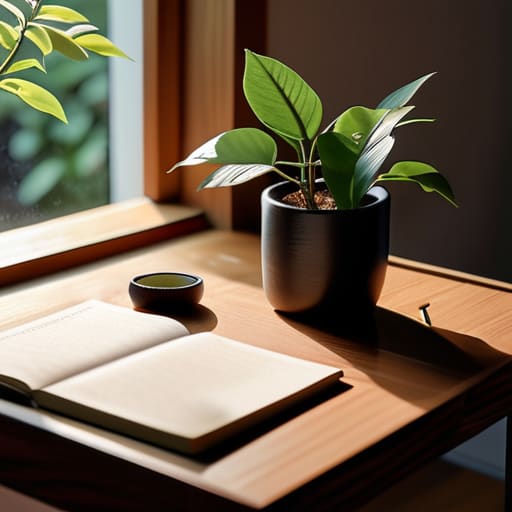
Your desk shouldn’t be a battlefield. I used to think I needed a high-end ergonomic setup to get anything done, but growing up in a cramped apartment taught me that utility beats aesthetics every time. An effective study environment setup isn’t about buying expensive gear; it’s about removing the friction between your brain and the task. Clear your surface of everything except what you actually need for the current session. If your phone is within eyesight, you’ve already lost the battle against minimizing study distractions.
It’s also about managing your mental energy. I try to keep my workspace visually quiet to reduce my cognitive load and learning capacity. If your desk is covered in old mail, half-finished coffee mugs, and random tools from a DIY project, your brain is subconsciously processing that clutter instead of the text in front of you. Keep your tools close, your clutter far, and your lighting consistent. You aren’t trying to build a sanctuary; you’re just building a functional zone where work is the only thing allowed to happen.
Using the Pomodoro Technique for Students Without the Burnout
Most people treat the Pomodoro technique like a rigid military drill, but if you’re trying to follow a strict 25-minute timer while your brain is screaming for a dopamine hit, you’re just setting yourself up for failure. I used to do this—staring at a ticking clock, feeling more anxious than productive. Instead of forcing a schedule that doesn’t fit, try treating it as a way of managing your cognitive load and learning cycles. If twenty-five minutes feels too short to actually get into a flow state, bump it up to fifty. The goal isn’t to obey a timer; it’s to create a predictable rhythm that tells your brain, “We are working now, but a break is guaranteed soon.”
The real secret to using the pomodoro technique for students without hitting a wall is what you do during those breaks. Don’t just switch from your laptop screen to your phone screen; that’s not a rest, it’s just more digital noise. Step away from your desk, grab some water, or just stare out the window. You need to actually decouple from the task to let your mind reset. If you treat your focus like a finite resource rather than an infinite well, you’ll find you can sustain deep work much longer without that mid-afternoon burnout.
Five low-effort systems to keep your brain on track
- Stop relying on willpower and start using “friction.” If your phone is the problem, don’t just try to ignore it—put it in another room or a drawer. If you have to physically get up to check a notification, you’re much more likely to stay in your flow state.
- Use a single, dedicated “study playlist” that you only listen to when you’re working. I use low-fi or ambient synth tracks—nothing with lyrics. Eventually, your brain will hear those specific sounds and automatically click into work mode because it knows what’s coming next.
- The “One-Task Rule.” Multitasking is a lie that just makes you slower and more stressed. Pick one specific thing—one chapter, one set of problems, one essay outline—and don’t let yourself touch anything else until that single task is checked off.
- Keep a “distraction notepad” next to you. When a random thought pops up—like needing to buy milk or wanting to look up a movie actor—don’t follow the rabbit hole. Write it down in your notebook immediately to get it out of your head, then get back to the task at hand.
- Schedule your “brain drain” periods. We all have times of day when we’re useless. If you’re a night owl, don’t force a 6:00 AM study session. Figure out when your focus is naturally highest and guard those hours fiercely; save the mindless admin or chores for when your energy dips.
Stop Overcomplicating the Process
At the end of the day, focusing isn’t about finding some magical, life-altering secret; it’s about reducing the friction between you and the work. We’ve talked about setting up a space that doesn’t fight you and using time-blocking methods like Pomodoro that respect your actual energy levels instead of just demanding more of it. If you can manage your environment and build a rhythm that actually sticks, you’ve already won half the battle. Don’t get caught in a loop of researching “better” methods—just pick one of these systems and start applying it to your next session.
I spent a lot of years thinking I needed a perfect desk or a specific playlist to be productive, but I eventually realized that perfection is just another form of procrastination. Real progress happens in the messy, imperfect middle, where you show up even when the motivation isn’t there. You don’t need to overhaul your entire existence to get things done; you just need to build a few small, repeatable wins that keep you moving forward. Focus on the system, not the struggle, and let the results take care of themselves.
Frequently Asked Questions
What do I do when the Pomodoro timer actually starts feeling like a source of stress instead of a tool?
If the timer starts feeling like a ticking bomb, kill it. The second a productivity tool triggers anxiety, it’s no longer a tool—it’s a chore, and chores are what we’re trying to avoid. Switch to “flow-based” work instead. Set a timer for just ten minutes to break the initial friction, then put the phone away and work until you actually feel your momentum peak. Don’t let a clock dictate your brain’s rhythm.
How can I stay focused if I live in a small, loud apartment where I can't control the environment?
Look, I grew up in a cramped apartment where the neighbor’s TV was basically my soundtrack. You can’t control the noise, so stop trying to fight it. Invest in decent noise-canceling headphones or even just cheap industrial earplugs—it’s a small cost for sanity. If that’s not enough, use brown noise instead of white noise; it’s deeper and better at masking sudden sounds. Build a portable “focus bubble” that moves with you.
Is it actually better to study in short bursts, or am I losing too much time to the "startup cost" of getting back into a flow state?
It’s a valid concern. If you’re spending twenty minutes just trying to remember where you left off, the Pomodoro method is actually working against you. That “startup cost” is real. If you find yourself hitting a deep flow state, stay there. Don’t let a timer interrupt a breakthrough. Use short bursts for rote tasks like flashcards, but for heavy lifting, prioritize long, uninterrupted blocks. Build the system around your brain, not a clock.