The Best Ways to Keep Your Groceries Fresh
I still remember the smell of my childhood kitchen every Sunday night—the heavy, slightly sweet scent of wilting spinach and bruised peaches sitting in a plastic bag at the bottom of the crisper drawer. Growing up in a cramped apartment, a wasted bag of groceries wasn’t just an inconvenience; it was a direct hit to my mom’s weekly budget. Most “expert” advice online makes it sound like you need a $500 vacuum-sealed drawer system or a PhD in botany to prevent rot, but that’s just more clutter for the sake of it. Learning how to store food properly shouldn’t feel like a second job or a luxury reserved for people with massive walk-in pantries.
I’m not here to sell you on expensive gadgets or complicated meal-prep rituals that fall apart by Wednesday. Instead, I want to share the low-effort systems I’ve built to keep my own food fresh without wasting my limited free time. We’re going to focus on a few high-impact, repeatable habits that actually work for a busy life. My goal is simple: help you stop throwing money in the trash and start keeping your kitchen functional and efficient.
Table of Contents
Mastering Refrigerator Temperature Settings for Maximum Shelf Life
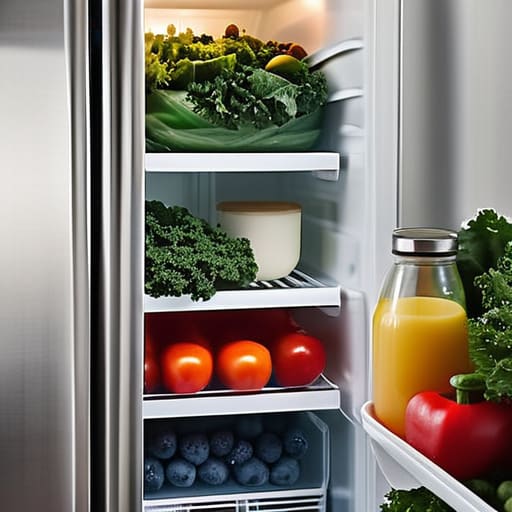
Most people treat their fridge dial like a “set it and forget it” mystery, but if you aren’t checking it, you’re essentially throwing money into the trash. To actually succeed at preventing food spoilage, you need to aim for a sweet spot between 37°F and 40°F (3°C to 4°C). If your fridge is too warm, your milk turns sour before the expiration date; if it’s too cold, you’re looking at a lot of wasted produce that’s been turned into mush.
I learned this the hard way living in that cramped apartment—I used to lose half my groceries because I never bothered to calibrate the settings. Grab a cheap standalone thermometer to verify what your fridge is actually doing, because those built-in dials are notoriously unreliable. Once you nail the refrigerator temperature settings, you’ll notice a massive difference in the shelf life of groceries like berries and leafy greens. It’s a five-minute fix that keeps your food safe and your weekly grocery budget from bleeding out.
Airtight Container Benefits the Low Effort Way to Prevent Food Spoilage
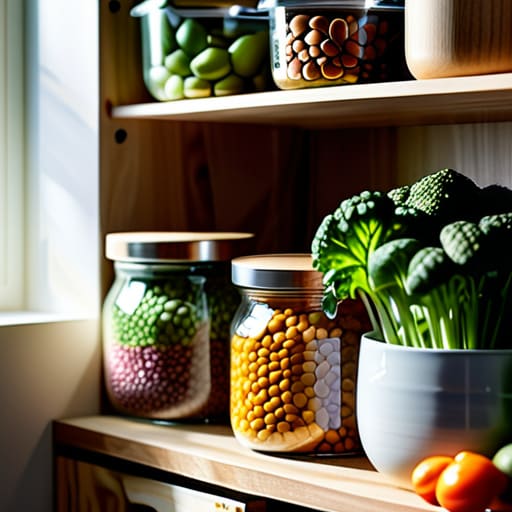
Look, I don’t have the energy for a kitchen full of mismatched, flimsy plastic tubs that leak the second you move them. But if you want to actually see the shelf life of groceries extend beyond a few days, you need a system of decent airtight containers. The science is simple: oxygen is the enemy of freshness. When you leave leftovers in a shallow bowl covered with plastic wrap, you’re basically inviting oxidation to turn your expensive dinner into a science project by Tuesday.
Investing in a uniform set of glass or high-quality BPA-free containers isn’t just about looking organized; it’s about preventing food spoilage before it starts. It’s a one-time setup that pays for itself every time you don’t have to toss a bag of wilted spinach or a container of moldy pasta. Beyond the fridge, these same containers are your best defense for freezer burn prevention. If you’re freezing portions of soup or grains, getting the air out is the difference between a meal that tastes like real food and one that tastes like freezer dust. It’s a small, low-effort win for your wallet.
Five Small Wins to Stop Your Groceries From Going to Waste
- Stop throwing away whole heads of lettuce; chop them up as soon as you get home and keep them in a container with a paper towel to soak up the moisture. It takes two minutes, but it saves you ten bucks in wasted greens every week.
- Treat your herbs like flowers. Instead of letting them turn into black sludge in the crisper drawer, stick the stems in a small glass of water and keep them in the fridge. It’s a tiny bit of extra effort that keeps them usable for twice as long.
- Learn the difference between the pantry and the counter. Most things—like onions, potatoes, and garlic—actually hate the humidity of a fridge. Keep them in a cool, dark, dry spot so they don’t sprout or turn into mush.
- Use your freezer as a safety net for everything. If you realize you won’t get to that half-loaf of bread or that leftover pasta by tomorrow, toss it in a freezer bag now. It’s much better than scraping moldy food into the trash on Friday.
- Group your “eat me first” items. Designate one specific shelf or a small bin in your fridge for things that are nearing their expiration date. If it’s in the bin, you know you need to cook it tonight, period.
The Bottom Line
At the end of the day, keeping your food fresh isn’t about becoming a professional chef or buying every gadget on the market. It’s about the basics: keeping your fridge at the right temp so things don’t wilt prematurely and using airtight containers so you aren’t throwing money in the trash every Sunday night. Once you set these small systems in place, you stop reacting to rot and start managing your resources more effectively. It’s a minor shift in how you handle your groceries, but it pays off every single time you open the fridge and actually see something edible instead of a science experiment.
Don’t feel like you have to overhaul your entire kitchen overnight. Just pick one thing—maybe it’s finally getting those glass containers organized or checking your fridge thermometer—and start there. The goal isn’t perfection; it’s about building a functional environment that works for you, not against you. When you stop fighting your own kitchen, you free up mental energy for things that actually matter. Let’s focus on these small, repeatable wins and keep our lives—and our bank accounts—a little bit more in order.
Frequently Asked Questions
Do I actually need to buy a bunch of matching glass containers, or can I just make do with what I have?
Look, do not fall into the trap of thinking you need a curated, Pinterest-ready set of matching glass containers to be successful. That’s just another way to waste money you don’t have. If you have mismatched plastic tubs, old jars, or even just some reusable silicone bags, use them. The goal is a system that works, not a kitchen that looks like a showroom. Just make sure they actually seal.
How do I know if something is actually spoiled versus just looking a little weird?
Look, I get it. You’re staring at a container of leftovers, wondering if it’s a quick snack or a biological hazard. Trust your senses, but don’t be a hero. If it smells off—sour, fermented, or just “funky”—toss it. If the texture has gone slimy or mushy, it’s gone. For things like bread or produce, a little mold is a red flag for the whole batch. When in doubt, throw it out. It’s cheaper than food poisoning.
Is it worth the extra effort to prep and freeze meals, or am I just creating more work for myself?
It depends on how you define “effort.” If you’re trying to cook five-course meals every Sunday, you’re just setting yourself up for burnout. But if you’re just prepping components—like a big batch of grains or roasted veggies—it’s a game changer. I don’t do full meal prep; I do “ingredient prep.” It’s the difference between a chore and a system. Freeze what you can to save money and time later.