The Must-have Tool Kit for Every Diy Enthusiast
I remember sitting on the floor of my childhood apartment, staring at a wobbly dining chair and a single, rusted screwdriver that didn’t even fit the screws. I felt like I needed a massive, expensive chest of drawers full of heavy machinery just to fix one piece of furniture, but my bank account definitely wasn’t saying that. Most people will try to sell you on the idea that you need a professional-grade workshop to get anything done, but that’s a lie designed to drain your savings. You don’t need a garage full of gear; you just need a curated set of essential tools for diy that actually do the job so you can stop stressing and start fixing.
I’m not here to give you a shopping list of things you’ll use once and then bury in a closet. My goal is to help you build a functional toolkit—a small, reliable collection of items that solve 90% of your household problems without taking up half your living room. I’m going to walk you through the few high-quality basics worth your money and skip the overpriced fluff. Let’s focus on the small, repeatable wins that keep your space in order.
Table of Contents
Essential Hand Tools for Beginners Who Value Their Time
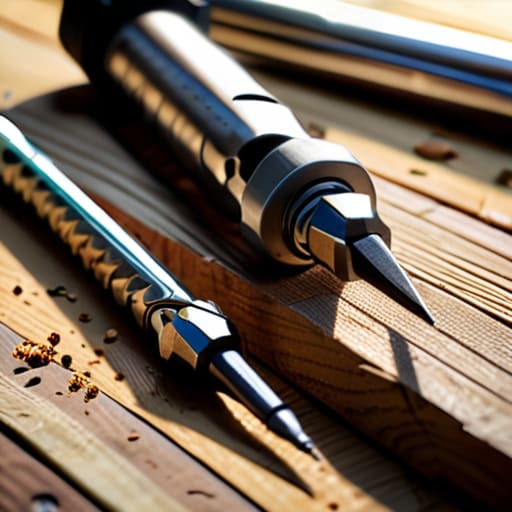
You don’t need a garage full of heavy machinery to handle 90% of the stuff that breaks in a standard apartment. Honestly, most people get overwhelmed by the debate of power tools vs hand tools, but for most quick fixes, manual is better. It’s quieter, takes up less space, and you don’t have to worry about a lithium-ion battery dying halfway through a job. Start with a solid multi-bit screwdriver and a decent set of screwdrivers—Phillips and flathead—so you aren’t hunting through a junk drawer when a cabinet handle comes loose.
Next, get a high-quality hammer and a tape measure that actually stays retracted without snapping. If you’re building a budget-friendly diy toolset, don’t cheap out on the measuring tape; if your measurements are off by a fraction, you’re just wasting time redoing the work. A pair of needle-nose pliers will also save you a massive headache when you’re trying to grab a dropped screw or tighten a small nut in a tight corner. These are the real must-have hardware for home repairs that actually get used.
Must Have Hardware for Home Repairs Without the Clutter
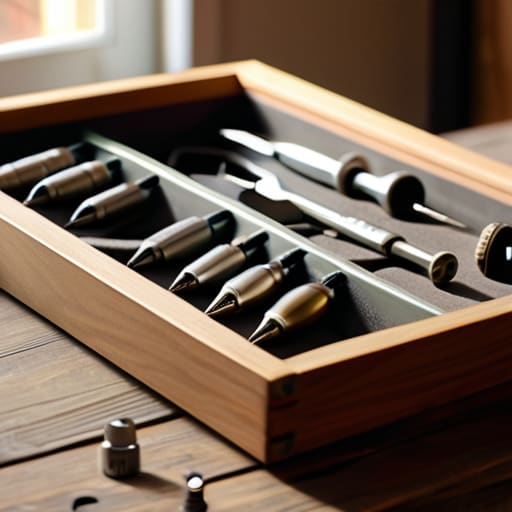
Once you’ve got your hand tools sorted, you need to address the small stuff that actually holds your life together—literally. I’m talking about a curated selection of must-have hardware for home repairs that prevents a quick fix from turning into a three-hour ordeal. You don’t need a massive chest of drawers filled with random screws. Instead, grab a small, organized assortment of assorted wood screws, drywall anchors, and some heavy-duty washers. Having these on hand means you aren’t running to the hardware store halfway through hanging a shelf or tightening a loose hinge.
When building your own budget-friendly DIY toolset, think about versatility over volume. A decent variety of nail sets and some high-quality adhesive tape can solve eighty percent of the minor annoyances that pop up in a small apartment. My rule is simple: if you use a specific fastener more than twice, buy a small box of them and keep them in one designated spot. This prevents the “junk drawer” chaos and ensures that when something breaks, you actually have the parts to fix it immediately.
How to Actually Use Your Tools Without Turning Your Apartment Into a Hardware Store
- Buy for the job you have, not the job you imagine. Don’t go out and buy a heavy-duty circular saw because you saw a cool DIY video; if you’re just hanging shelves in a rental, a decent cordless drill is all you need.
- Quality over quantity, every single time. I’d rather own one $30 screwdriver that doesn’t strip the screw head than a $15 twenty-piece set that breaks the second you actually need it.
- Keep a “Go-Bag” for small fixes. Instead of digging through a messy drawer every time a cabinet handle gets loose, keep your most-used items—like your screwdriver, a tape measure, and a utility knife—in one small, organized kit.
- Learn the basics of maintenance so you don’t have to buy new gear. A little bit of WD-40 or a quick cleaning of your drill bits goes a long way in making sure your tools actually work when you’re in the middle of a project.
- Don’t be afraid to borrow. If you need a specialized tool for a one-off task, ask a neighbor or check a local tool library. There’s no point in letting a $100 tool collect dust in your closet for three years just because you used it once.
Getting Started Without the Overwhelm
Look, the goal here wasn’t to turn you into a master carpenter overnight. We covered the hand tools that actually do the heavy lifting and the hardware that keeps your drawers from becoming a junk pit. If you have a solid screwdriver, a reliable hammer, and a decent set of fasteners, you’re already ahead of most people. You don’t need a garage full of specialized machinery to handle a loose cabinet hinge or a wobbly chair leg. The point is to own just enough to be capable, ensuring that when something breaks, you aren’t paralyzed by a lack of gear. Focus on quality over quantity so you aren’t constantly replacing cheap, flimsy tools that snap the first time you use them.
At the end of the day, these tools are just means to an end. They exist to help you maintain your environment so you can spend your time on things that actually matter to you. Building a small, functional kit is one of those small, repeatable wins that slowly shifts your mindset from “this is broken” to “I can handle this.” Don’t let the fear of a messy project stop you from taking ownership of your space. Grab what you need, keep your setup minimal, and just start fixing things. Your future, less-stressed self will thank you.
Frequently Asked Questions
I don't have a garage or much space; where can I actually store these tools without them becoming a cluttered mess in my apartment?
Look, I get it. I grew up in a space where a single messy corner felt like a disaster zone. You don’t need a workshop; you need a system. Skip the massive toolboxes. Grab a heavy-duty, stackable utility bin that slides under your bed or fits in the bottom of a closet. If you have a little wall space, a simple pegboard or a magnetic strip in a kitchen drawer works wonders. Keep it visible, keep it contained, and keep it out of the way.
Is it worth spending more money on one "pro" tool now, or should I just buy the cheap stuff until I actually know what I'm doing?
Buy the cheap stuff for things you’ll use once a year, like a specialized tile saw. But for the basics—a screwdriver set, a decent hammer, or a solid drill—buy the “pro” version. I’ve learned the hard way that cheap tools break mid-task, turning a ten-minute fix into a two-hour frustration. Invest in the tools that become extensions of your hands; it saves you money and sanity in the long run.
How do I know which specific drill bits or screwdriver heads I actually need so I'm not buying a massive kit with fifty pieces I'll never touch?
Stop buying those 100-piece sets. Most of those bits are cheap, flimsy, and will strip your screws before you even finish the job.