Thoughtful Diy Gifts That Won’t Break the Bank
I used to think that being a good gift-giver meant spending three weekends straight on a Pinterest-inspired craft project or dropping half a paycheck at a boutique. But honestly? Most of those elaborate DIY projects are just unnecessary chores disguised as thoughtfulness. Between managing freelance deadlines and trying to keep my own apartment from falling apart, I don’t have the bandwidth for high-maintenance crafts that end up sitting in a junk drawer. The real struggle isn’t a lack of creativity; it’s finding diy gift ideas that actually respect your time and your bank account without feeling cheap or rushed.
I’ve spent a lot of time refining a system for giving that focuses on utility and intentionality rather than sheer effort. In this post, I’m breaking down five specific ideas that hit that sweet spot between personal and practical. You’re going to learn how to create gifts that people will actually use in their daily lives, rather than just more clutter. We’re skipping the glitter and the fluff to focus on high-impact, low-stress wins that prove you care without the holiday burnout.
Table of Contents
Curated Pantry Staples

Most DIY gifts fail because they end up as clutter in someone else’s apartment. If you want to give something that actually gets used, look toward the kitchen. I’m talking about high-quality, small-batch items like infused olive oils, seasoned salts, or even a really good homemade granola. These aren’t just “crafty”; they are functional consumables that solve the problem of “what am I eating for breakfast?” or “how do I make this boring pasta taste better?”
The Analog Connection
We spend most of our lives staring at glass rectangles, so there is something deeply grounding about giving a physical, tactile object. I’ve found that a high-quality, curated notebook or a set of decent pens can be a massive win for the right person. It’s not about buying the most expensive leather-bound journal on the market; it’s about selecting a tool that feels right in the hand and encourages someone to actually sit down and think.
Upcycled Utility Decor
I grew up seeing my mom turn old glass jars and scrap wood into something useful, and that mindset is a lifesaver when you’re on a budget. Instead of buying mass-produced, plastic decor that breaks in six months, try making something with some actual weight to it. Think heavy ceramic planters you’ve hand-painted with simple geometric patterns or even a small wooden tray made from scrap timber for holding keys and loose change.
Custom Coffee or Tea Kits
Most people have a morning ritual, whether it’s a specific brand of loose-leaf tea or a very particular way they take their coffee. Instead of a generic gift card, build a kit that enhances that specific moment. You can source high-quality beans from a local roaster or a unique tea blend, and pair it with a single, well-made mug. It’s a small, repeatable win for their daily routine.
The Digital-to-Physical Playlist
This one costs almost nothing but requires a bit of actual mental effort, which is why it works. We all have those friends whose music taste is impeccable, or the ones who are going through a rough patch and need a specific vibe. Create a highly curated digital playlist, but don’t just send a link over text. Print out a small, high-quality card with a custom “tracklist” and a short note about why you put it together.
The Bottom Line
At the end of the day, the goal isn’t to produce something that looks like it belongs in a high-end boutique or a Pinterest fever dream. Whether you’re putting together a curated pantry kit, assembling a custom toolset, or gifting something as simple as a high-quality notebook and a single good pen, the value lies in the intentionality behind it. We’ve covered how to avoid the trap of over-complicating things; you don’t need a workshop full of expensive power tools or a massive budget to show someone you care. By focusing on these small, repeatable wins, you’re giving a gift that actually fits into their real, messy, busy life rather than adding another piece of clutter to their shelves.
Don’t let the pressure of “perfection” turn gift-giving into another chore on your never-ending to-do list. If you spend three weekends making a hand-carved wooden bowl only to end up burnt out and broke, the gift has already failed its primary purpose. Real connection happens in the spaces between the grand gestures. Stick to the systems we talked about, keep your overhead low, and focus on the utility of the item. When you give something that is genuinely useful, you’re telling the recipient that you actually see them and respect their time. That’s the kind of impact that lasts way longer than any store-bought trinket.
Frequently Asked Questions
How do I make these gifts look intentional rather than just looking like I threw random stuff together?
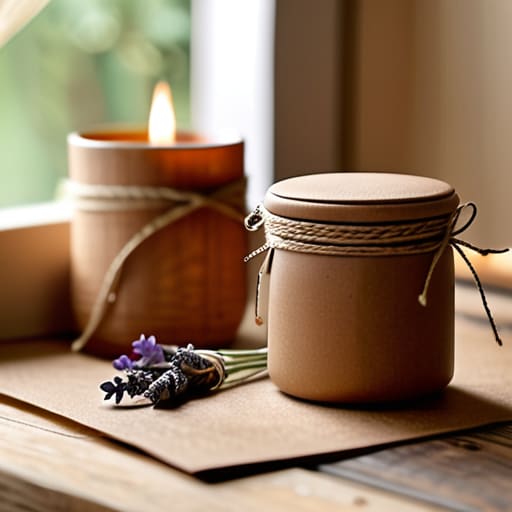
It’s all about the packaging and the presentation. If you hand someone a jar of homemade jam in a plastic container, it looks like an afterthought. If you put that same jam in a glass mason jar, tie a piece of simple twine around the lid, and tuck in a handwritten note, it looks like a choice. Consistency is key. Stick to a single color palette or a specific material—like kraft paper or linen—to make everything feel like a cohesive set.
Is there a way to do this without spending a fortune on specialized tools or expensive craft supplies?
Honestly, if a gift requires a specialized kit or a trip to a high-end craft store, it’s probably not a system worth keeping. I try to stick to the “utility first” rule. Use what you already have—a decent kitchen knife, some heavy-duty twine, or even just a sharp pencil and good paper. If you can’t execute the idea with basic household items, it’s too complicated. Keep it simple; the value is in the thought, not the overhead.
How much time should I actually be budgeting for these so they don't end up becoming another chore on my list?
Look, if a gift takes three hours of focused labor, it’s not a gift anymore—it’s an unpaid internship. I cap my DIY time at 45 minutes per item. If it’s going to take longer, I pivot to something simpler or just buy a high-quality version of something they actually need. Set a timer. When it rings, you stop. The goal is to show you care, not to burn yourself out before the party even starts.