
Tips for Keeping Your Utility Bills Low All Year Long
I’m tired of seeing “energy experts” push $300 smart thermostats or complex solar arrays as the only way to fix a bloated budget. If you’re looking for a way to hack your life by spending more money just to save a few cents, you’re in the wrong place. Most advice on how to save on utilities feels like it was written by someone who has never had to choose between a decent grocery haul and a heating bill. I grew up in a cramped apartment where every cent mattered, and I learned early on that you don’t need a PhD in engineering to stop bleeding cash; you just need a few low-effort systems that actually work.
I’m not here to give you a list of chores that will eat up your entire Saturday. Instead, I’m going to show you the small, repeatable adjustments I use to keep my own overhead low without turning my apartment into a cave. We’re going to focus on high-impact, low-maintenance shifts—the kind of stuff that settles into the background of your life while your bank account stays a little thicker. No fluff, no expensive gadgets, just practical ways to get your money back.
Table of Contents
Smart Thermostat Benefits for Hands Off Savings
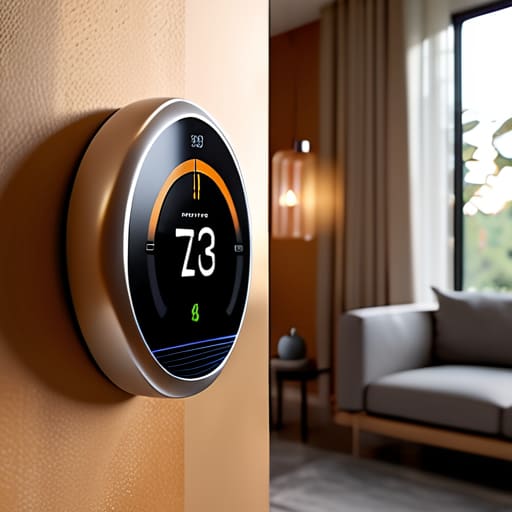
If you’re like me, you probably forget your thermostat exists until you see the bill at the end of the month. Most people try to save money by manually adjusting the temperature every time they leave the house, but that’s just more mental clutter you don’t need. This is where the smart thermostat benefits actually kick in. Instead of playing a guessing game with your HVAC system, these devices learn your routine and automate the adjustments for you. It turns a manual chore into a background process.
The goal isn’t to live in a freezing apartment to save a few bucks; it’s about lowering heating and cooling costs through precision. A smart unit can detect when you’re away or when the sun is hitting your windows, adjusting the airflow accordingly. It’s one of those small, energy efficient home improvements that actually pays for itself by removing the human error factor. You aren’t working for your home anymore; your home is finally working for you.
Lowering Heating and Cooling Costs Without the Effort
If you aren’t ready to drop a few hundred bucks on a smart thermostat, you can still make a dent in your bill by focusing on the air itself. Most of my monthly budget goes toward temperature control, and I realized I was basically paying to heat the sidewalk because my window seals were shot. You don’t need a full-scale renovation; just look for the gaps. A few rolls of weatherstripping or some simple caulk around drafty frames are some of the easiest energy efficient home improvements you can tackle in a single Saturday afternoon.
Another low-effort win is managing your window treatments based on the sun. It sounds like something a retiree would do, but it actually works. In the winter, keep the curtains open during the day to let the sun do the heavy lifting, then shut them tight at night to trap that warmth. In the summer, do the opposite. It’s a small, repeatable habit that helps in lowering heating and cooling costs without you having to constantly fiddle with the dial. It’s about working with the environment you have, not fighting it.
Five Low-Lift Tweaks for Your Monthly Bills
- Stop letting your water heater work overtime. If you haven’t touched the dial in months, it’s probably set way higher than you need. Turn it down to about 120°F (49°C). You’ll save energy, and you won’t accidentally scald yourself in the shower.
- Seal the gaps, not the whole house. You don’t need to be an insulation expert to stop drafts. Grab some cheap weatherstripping or even just a heavy draft stopper for the bottom of your front door. It keeps the expensive air you just paid for inside where it belongs.
- Use your dishwasher like a pro, not a martyr. Don’t run it half-empty just because you have a few mugs in the sink. Wait until it’s actually full, and always use the eco-mode if it has one. It’s a small habit that keeps your water bill from creeping up.
- Audit your “vampire” electronics. We all have that one old lamp or gaming console that stays plugged in 24/7. If it has a standby light that stays on, it’s sipping power. Plug your media center or desk setup into a power strip so you can kill the connection to everything with one switch when you’re done.
- Let the sun do the heavy lifting. In the winter, open those blinds during the day to let the sunlight naturally heat your space. In the summer, keep them shut to block the heat. It sounds basic, but it’s free thermal management that requires zero actual effort.
The Bottom Line
At the end of the day, saving on utilities isn’t about turning your apartment into a freezing cave or living in the dark. It’s about removing the friction between your lifestyle and your bank account. Whether you’re automating your temperature with a smart thermostat or just being more intentional about how you use water and electricity, the goal is to create systems that run in the background. You don’t need to spend your entire Saturday auditing every single appliance; you just need to make a few high-impact adjustments that stop the slow leak of money every month.
I know how easy it is to feel like these small changes don’t matter when you’re staring down a massive rent check or a pile of freelance invoices. But utility savings are one of those rare, compounding wins. Every dollar you don’t hand over to the power company is a dollar that stays in your pocket for something that actually matters—like that vintage synth part you’ve been eyeing or just a little extra breathing room in your savings. Stop trying to optimize every second of your life and just build a foundation that works for you. Once the systems are in place, you can get back to actually living.
Frequently Asked Questions
Is it actually worth the upfront cost of upgrading appliances, or am I just throwing money at a problem that doesn't exist?
Look, don’t go out and buy a new fridge just because yours looks a little dated. That’s a trap. Unless your current appliance is a literal energy hog—like something from the 90s that runs hot and loud—the math rarely works in your favor. The upfront cost usually takes years to recoup through utility savings. Stick to basic maintenance: clean your coils, replace the filters, and only upgrade when the repair cost exceeds the value of the machine.
How much of a difference does unplugging "phantom" electronics actually make in a real-world monthly bill?
Look, if you’re planning to walk around your apartment unplugging every single charger every night, stop. You’re wasting more time than you’ll ever save. In a typical setup, “vampire power” might cost you $5 to $15 a month. It’s annoying, but it’s not a crisis. If you want the win without the hassle, just use a power strip for your media center or desk. Flip one switch when you’re done, and let the system handle the rest.
Are there any low-cost DIY fixes I can do this weekend that don't involve hiring a professional?
Don’t overcomplicate this. You don’t need a contractor to stop air from leaking out of your wallet. Grab some weatherstripping or even just some heavy-duty caulk and hit the gaps around your windows and doors. If you have a drafty floor vent, a simple vent cover or even a piece of rug can do wonders. It’s ten bucks in materials and an hour of your Saturday, but it stops the constant battle with your thermostat.