Upgrade Your Home Coffee Game to Cafe Quality
I’m tired of seeing “coffee influencers” treat a morning caffeine fix like a high-stakes chemistry experiment. You don’t need a $500 scale, a temperature-controlled gooseneck kettle, or a PhD in bean origins just to figure out how to make coffee at home that doesn’t taste like battery acid. I grew up watching my mom stretch a single bag of generic grounds for a week, and while I’ve definitely upgraded my gear since then, I still have zero patience for the performative complexity of modern cafe culture. If a setup requires a twenty-minute ritual before you’ve even checked your email, it’s not a system; it’s a chore.
My goal here isn’t to turn you into a barista, but to help you build a reliable, low-friction system for your kitchen. I’m going to show you how to get high-quality results using minimal equipment and even less effort. We’re skipping the fluff and focusing on the few variables that actually matter—water, grind, and timing—so you can get a damn good cup of coffee and get on with your day.
Table of Contents
Minimalist Coffee Brewing Equipment for Beginners
You don’t need a $500 espresso machine or a dedicated corner of your kitchen to get a decent cup. In fact, most high-end gear is just a way for companies to sell you complexity you don’t have time for. When I was looking into coffee brewing equipment for beginners, I realized the goal isn’t to become a barista; it’s to find the path of least resistance to a good drink.
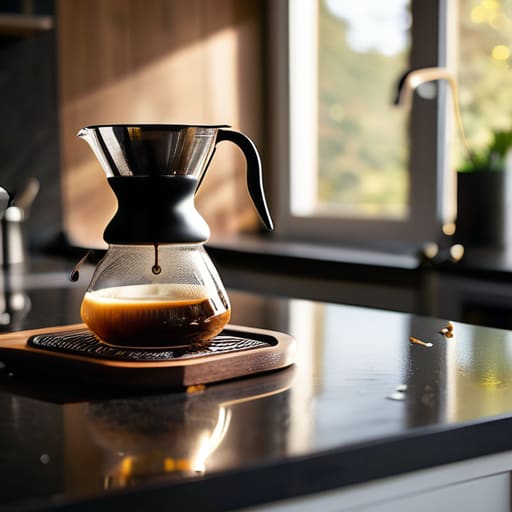
For a low-maintenance setup, I recommend starting with either a French Press or a simple Pour-Over dripper. The French Press is great if you want something heavy-duty and foolproof, while a Pour-Over gives you more control over the improving coffee flavor profile if you’re feeling meticulous. Regardless of which you choose, invest your money where it actually matters: a decent burr grinder. Using freshly ground coffee beans is the single biggest lever you can pull to stop drinking bitter, stale sludge. If you skip the grinder and buy pre-ground, you’re essentially leaving half the flavor on the table before you even start.
The Secret to Improving Coffee Flavor Profile Fast
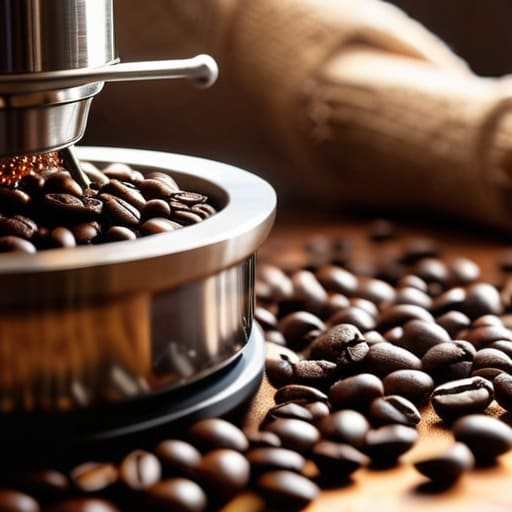
Most people think they need a thousand-dollar espresso machine to fix a bitter cup, but they’re usually just ignoring the basics. If you want to start improving coffee flavor profile without a massive investment, stop buying pre-ground bags from the grocery store. The second those beans are ground, they start losing the volatile oils that actually make coffee taste good. Invest in a decent burr grinder and use freshly ground coffee beans right before you brew. It’s a five-second extra step that makes a bigger difference than any expensive gadget ever could.
The second thing you need to check is your water. If you’re using water straight from the tap that smells slightly like chlorine, your coffee will taste like a swimming pool, no matter how good the beans are. Also, pay attention to your water temperature for brewing coffee. If the water is boiling hot, you’re going to scorch the grounds and end up with that nasty, ashy bitterness. Aim for just off the boil—around 195°F to 205°F—to ensure you’re getting a clean, balanced cup every single morning.
Five Low-Effort Rules for Better Daily Coffee
- Stop buying pre-ground bags. It’s a waste of money and the flavor dies within days. Get a decent burr grinder, grind only what you need right before you brew, and you’ll immediately notice the difference.
- Use a scale, not a spoon. Measuring by volume is guesswork that leads to inconsistent, bitter coffee. A cheap digital kitchen scale takes the thinking out of the process and ensures your cup tastes the same every single morning.
- Watch your water temperature. If you’re using boiling water straight off the stove, you’re scorching the beans. Let the kettle sit for about a minute after it whistles; you want it hot, but not violent.
- Keep your gear clean or it’ll taste like old mistakes. If you leave coffee oils sitting in your carafe or filter holder, your next cup will taste bitter and metallic. A quick rinse with hot water after every use is non-negotiable.
- Buy in small batches. Coffee is a fresh product, not a pantry staple. Instead of buying a massive tub of beans that sits there for a month, buy smaller bags more frequently to ensure you’re actually drinking something vibrant, not stale.
Stop Overthinking the Cup
At the end of the day, you don’t need a $1,000 espresso machine or a degree in chemistry to drink something decent. All we’ve done here is strip away the noise. We identified that a few high-quality basics—a decent grinder, a simple brewer, and fresh beans—are doing 90% of the heavy lifting. By focusing on the variables that actually matter, like water temperature and grind consistency, you’ve turned a morning chore into a reliable system. You aren’t chasing perfection; you’re just building a repeatable win that saves you money and prevents that mid-morning caffeine crash.
My advice? Don’t let the pursuit of the “perfect” brew become another item on your to-do list that drains your energy. The goal isn’t to become a barista; it’s to have a functional, aesthetic morning that serves your life. Start with what you have, refine the process as you go, and keep it simple. Once you have a system that works, you can stop thinking about the coffee and actually start enjoying the quiet before the rest of the world starts demanding your time.
Frequently Asked Questions
How do I keep my coffee tasting good without buying a bunch of expensive airtight containers?
You don’t need a collection of $40 vacuum-sealed canisters to keep your beans fresh. Honestly, the biggest mistake is buying more coffee than you can drink in two weeks. Buy smaller bags, keep them in their original packaging, and just fold the top down tight with a heavy clip. If you have a dark, cool cupboard, that’s your best friend. Avoid the light, avoid the heat, and stop overspending on gear you don’t need.
Is it actually worth it to invest in a burr grinder, or can I just stick to the cheap blade ones for now?
Look, if you’re just trying to survive a Monday, a blade grinder is fine. But if you actually want your coffee to taste like something other than bitter ash, get the burr grinder. Blade grinders smash beans into uneven chunks—some dust, some boulders—which makes your brew taste both sour and bitter at the same time. It’s a massive inconsistency. If you can swing it, a decent entry-level burr grinder is the single best way to stop wasting money on mediocre beans.
What’s the easiest way to clean my gear without spending my entire Sunday scrubbing?
Don’t turn your kitchen into a laboratory every time you want a cup. The trick is “clean as you go.” While the coffee is brewing, rinse your carafe or pour-over dripper immediately. If you’re using a French press, don’t let the grounds sit and turn into concrete; dump them, rinse, and wipe the mesh with a damp cloth right then. Five seconds of effort now saves you twenty minutes of scrubbing later.