
Your Essential Seasonal Home Maintenance Guide
I remember sitting on the floor of my childhood apartment, watching my mom try to patch a leak with nothing but duct tape and sheer willpower because a professional repair was out of the question. That’s when I realized that most advice regarding seasonal home maintenance is either designed to sell you a subscription to a service you don’t need or a massive, weekend-ruining project that requires a degree in engineering. We’ve been conditioned to think that keeping a space functional means constant, high-stress labor, but that’s a total lie.
I’m not here to give you a twenty-page manual or suggest you spend your entire Saturday scrubbing gutters. Instead, I want to walk you through the specific, low-effort systems I use to keep my own space from falling apart. We’re going to focus on small, repeatable wins—the kind of quick checks that prevent expensive emergencies and keep your living situation stable without draining your bank account. My goal is to help you build a routine that actually serves your life, rather than turning your home into a second full-time job.
Table of Contents
Preventative Home Care Tips That Actually Save You Money
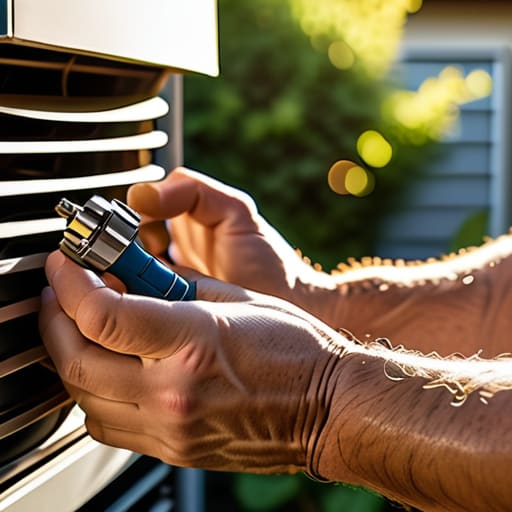
Most people wait until something breaks—a leaking pipe or a dead AC unit—before they even think about maintenance. By then, you’re not just paying for a repair; you’re paying for the stress and the emergency service fees. I’ve learned the hard way that a little bit of foresight goes a long way. One of the most effective preventative home care tips I follow is scheduling an HVAC system seasonal service before the peak heat or cold hits. It’s a small, predictable expense that prevents a massive, unpredictable bill when your unit decides to quit on a Tuesday afternoon.
Think of it like tuning an old synth; if you ignore the dust and the loose connections, eventually the sound just dies. I treat my space the same way. Instead of a massive overhaul, I focus on small, repeatable checks. If you aren’t sure where to start, I’d suggest putting together a basic annual property inspection checklist to track things like window seals and drain clarity. It’s not about being a perfectionist; it’s about building a system that keeps your living space functional without draining your savings.
The Low Effort Annual Property Inspection Checklist
I’m not a fan of the massive, overwhelming “to-do” list that sits on your fridge for three months, gathering dust. Instead, think of this as a quick walk-through to catch the small stuff before it becomes an expensive emergency. Grab that notebook I’m always talking about and walk around your space. Start with the basics: check your smoke detector batteries, look for any leaks under the sinks, and peek at your windows for drafts. This isn’t about a deep clean; it’s about an annual property inspection checklist that takes twenty minutes but saves you a headache later.
Once you’ve handled the interior, step outside. You don’t need to be a contractor to spot a cracked gutter or a loose floorboard. Checking your drainage and siding is part of those essential exterior home maintenance tasks that keep your living space from deteriorating. If you see something that looks off, just note it down. The goal isn’t to fix everything today—it’s to know exactly what needs attention so you aren’t blindsided by a repair bill when you’re trying to relax.
Five Low-Stakes Moves to Keep Your Space from Falling Apart
- Clear your drains before they become a crisis. Once a season, pour a kettle of boiling water down your sinks and shower drains to melt away the soap scum and hair buildup that leads to expensive plumber calls. It takes two minutes and costs nothing.
- Swap your filters without making a thing of it. If you have an HVAC system or even a basic air purifier, change those filters every three months. Neglecting this is the fastest way to kill your efficiency and spike your electric bill.
- Check your window seals when the temp drops. Take a quick walk around your apartment and feel for drafts. If you find one, a $5 roll of weatherstripping or even a bit of temporary sealant can keep your heat from escaping through the cracks.
- Inspect your tech and cords. Since I spend a lot of time around old gear, I’ve learned that dust is a silent killer. Once a season, grab a can of compressed air and blow out the dust from your outlets, power strips, and electronics to prevent overheating.
- Audit your pantry and cleaning supplies. Don’t let “emergency” supplies expire. Every few months, do a quick sweep of what you actually use so you aren’t overbuying duplicates or finding moldy cans at the back of the shelf. Keep the inventory lean.
Systems Over Stress
At the end of the day, seasonal maintenance isn’t about becoming a DIY expert or spending your entire Saturday under a sink. It’s about the small, intentional shifts—like checking your filters or clearing those gutters—that prevent a $50 fix from turning into a $5,000 disaster. By using these low-effort checklists and prioritizing preventative care, you aren’t just looking after your apartment; you are protecting your bank account from the unexpected. The goal is to keep your living space functional and your mental load light, ensuring that your home remains a place where you actually want to relax, rather than a source of constant, nagging to-do lists.
I know how easy it is to fall into the trap of thinking you need to do everything at once, or nothing at all. But life is built on these small, repeatable wins. You don’t need a massive inheritance or a specialized toolkit to command your environment; you just need a consistent system that works for you. Start small, stick to the basics, and let these habits run in the background so you can focus your energy on the things that actually matter. Your future self—the one who isn’t dealing with a flooded kitchen or a broken HVAC in the middle of July—will definitely thank you.
Frequently Asked Questions
I live in a rental—how much of this is actually my responsibility versus what I should just text my landlord about?
Look, the “who pays for what” debate is a headache, but here’s the rule of thumb I use: if it’s wear and tear or a system failure (like a leaky pipe or a dying HVAC), that’s the landlord’s problem. If it’s something you caused—like a clogged drain from hair or a broken window—that’s on you. When in doubt, text them. It’s better to flag a small drip now than to explain a massive mold issue later.
What are the absolute non-negotiables if I only have one hour a month to spare for maintenance?
If you’ve only got sixty minutes, stop worrying about the deep cleans and focus on the things that actually break your bank. Spend fifteen minutes checking your HVAC filters—clogged ones kill your electricity bill and your AC unit. Spend another twenty checking under sinks for slow leaks or dampness. The last twenty-five? Clear your drains and test your smoke detectors. It’s not glamorous, but it stops small drips from becoming five-figure floods.
How do I know if a small issue, like a weird sound from the AC or a tiny damp spot, is a "fix it now" problem or something that can wait until next season?
Look, I get the hesitation. You don’t want to blow your budget on a “maybe” problem. But here’s my rule of thumb: if it involves water or electricity, don’t wait. A tiny damp spot is a future mold colony; a weird AC rattle is a dying compressor. If it’s a sound or a leak, it’s a “fix it now” problem. If it’s just a squeaky door or a loose cabinet handle? That can wait until your next scheduled maintenance window.