Master the Fundamentals: a Beginner’s Guide to Sewing
I remember sitting on the floor of my childhood apartment, staring at a ripped seam in my favorite pair of work pants and feeling completely defeated because I didn’t own a “complete” craft kit. Most people will tell you that mastering sewing basics for beginners requires a massive sewing machine, a dedicated studio, and a dozen expensive notions you’ll never actually use. Honestly, that’s a lie designed to make you spend money you don’t have. You don’t need a hobbyist’s workshop to be self-sufficient; you just need to know how to stop the bleeding on your clothes before they end up in a landfill.
I’m not here to teach you how to make a ballgown or follow a complex pattern that takes three weeks to finish. My goal is to give you a minimalist toolkit and the three or four essential skills that actually matter for daily life. We’re going to focus on high-utility moves—fixing hems, reinforcing buttons, and patching holes—so you can keep your wardrobe intact and your budget even tighter. This is about functional independence, not becoming a professional tailor.
Table of Contents
The Minimalist Setup Essential Sewing Machine Tools You Actually Need
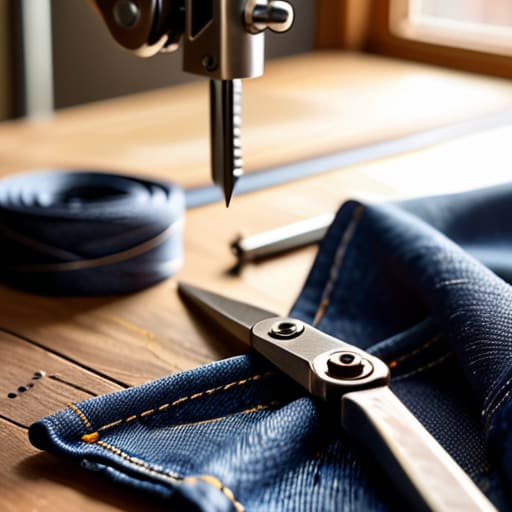
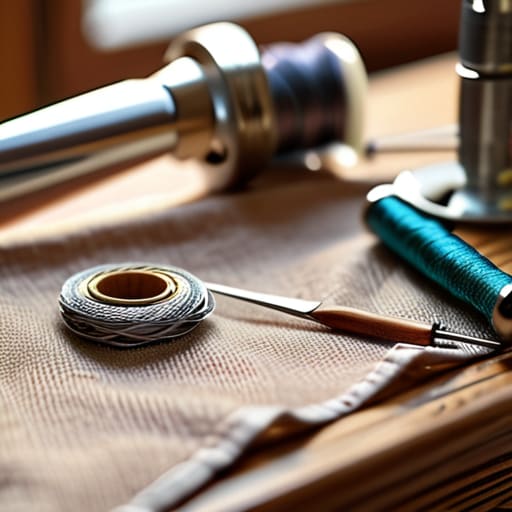
You don’t need a massive craft room or a $500 kit to get started. Most of those “all-in-one” starter sets are just filler—cheap plastic tools that break the first time you try to hit a heavy seam. Instead, focus on a few high-quality beginner sewing kit essentials that actually last. I started with a basic mechanical machine and a single pair of heavy-duty fabric shears. If you can’t cut through a layer of denim without the blades struggling, don’t bother buying more thread yet; just get better scissors.
Beyond the machine, you need a decent seam ripper (because we all make mistakes), a handful of glass-head pins, and a clear measuring tape. If you’re feeling ambitious, grab a small screwdriver set for basic sewing machine maintenance tips later on. Keeping your machine clean and oiled is the difference between a smooth project and a tangled mess of thread. Keep your workspace small, keep your tools sharp, and don’t let the clutter of a hobby shop intimidate you. You only need enough to get the job done.
Beginner Sewing Kit Essentials That Wont Break Your Bank
You don’t need a massive wooden chest filled with every gadget from a craft store to get started. In fact, most of that stuff is just clutter that eats your budget. For my beginner sewing kit essentials, I stick to a small, curated kit that fits in a single pouch. You need a decent pair of fabric shears—and I mean real shears, not kitchen scissors—a seam ripper (your new best friend when you inevitably mess up), a handful of glass-head pins, and a measuring tape. If you can manage that, you’re already ahead of most people.
Beyond the hardware, don’t skimp on the thread. I used to buy the cheapest generic spools I could find, only to have them snap mid-seam and ruin my mood. Instead, grab a few spools of high-quality all-purpose polyester thread in neutral colors. This setup allows you to master the basic sewing stitches for beginners without feeling like you’ve invested a month’s rent into a hobby you might not even stick with. Keep it lean, keep it functional, and only add tools when a specific project actually demands them.
Five Ways to Stop Fighting Your Fabric and Start Actually Making Things
- Master the straight stitch before you even look at a zigzag. Most of what you’ll actually need to do—fixing a hem, taking in a waist, or patching a hole—just requires a clean, straight line. If you can’t do that consistently, the fancy decorative stitches are just a waste of thread.
- Stop buying the cheapest polyester thread you can find at the grocery store. It snaps constantly and creates tension issues that will make you want to throw your machine out the window. Spend the extra three bucks on a decent spool of all-purpose cotton or high-quality polyester; your sanity is worth it.
- Ironing isn’t just for your work shirts; it’s half the job in sewing. If you don’t press your seams flat as you go, your finished project will always look “homemade” in the bad way. A heavy steam iron is a better investment than a dozen different specialized sewing feet.
- Learn to read your fabric’s grain before you cut. If you ignore how the threads are woven and just cut wherever it looks easy, your clothes will twist and pull awkwardly every time you move. Take thirty seconds to align your pattern with the grain; it saves you from a ruined garment later.
- Don’t aim for perfection on your first five projects. You’re going to mess up a seam, you’re going to run out of thread, and you’re probably going to sew a sleeve on backward. Just rip the stitches out, learn why it happened, and move on. The goal is a functional wardrobe, not a museum piece.
Don't Let the Gear Hold You Back
Look, the goal here wasn’t to turn you into a professional tailor overnight; it was to get you past the gatekeeping of expensive, specialized equipment. You don’t need a massive sewing studio or a collection of designer shears to start making things happen. If you have a decent machine, some reliable thread, and a few basic hand tools, you already have everything required to stop throwing money away on minor repairs. Focus on mastering those core seams we talked about and keep your kit small. The less clutter you have on your desk, the less friction there is between you and actually finishing a project.
At the end of the day, sewing is just another way to reclaim a bit of autonomy over your life and your budget. There’s a specific kind of quiet satisfaction that comes from fixing a torn hem or altering a thrifted find so it actually fits your frame. It’s not about perfection or creating museum-quality garments; it’s about the small, repeatable win of knowing you can maintain what you own. So, grab your notebook, pick one simple task, and just start. You’ll figure out the rest as you go.
Frequently Asked Questions
Do I really need a sewing machine right away, or can I get by with just a needle and thread for basic repairs?
Honestly? You don’t need a machine to start. If you’re just looking to fix a loose button, patch a small hole, or mend a seam on a pair of jeans, a decent needle and some high-quality thread are more than enough. Don’t let the idea of a $300 machine gatekeep you from being self-sufficient. Start with the basics; once you find yourself wanting to make something from scratch, then you can worry about the hardware.
How much space should I actually set aside for a sewing station if I'm living in a small apartment?
If you’re living in a cramped apartment like I did, don’t fall for the trap of thinking you need a dedicated sewing room. You don’t. I’ve found that a sturdy, folding table or even a cleared-off section of a dining table is plenty. Aim for a footprint of about 3′ x 5’—just enough to spread out a pattern and move your machine. If you can tuck a rolling cart underneath, you’re golden.
Is it worth buying a cheap machine from a thrift store, or am I better off saving up for one decent model?
Don’t get seduced by the $20 thrift store find. Unless you’re prepared to spend your entire Saturday troubleshooting tension issues and hunting for discontinued parts, it’s usually a trap. A cheap, broken machine is just expensive clutter. Save your money and grab one reliable, entry-level model from a reputable brand. It might cost more upfront, but it’ll actually sew the seams you need without turning your hobby into a mechanical headache.