
Stop That Squeak: Fix Noisy Doors in Just Minutes
I was sitting at my desk last Tuesday, deep into a freelance project, when that sharp, piercing screech cut through my focus for the tenth time that hour. It was my bedroom door—a tiny, repetitive sound that felt like a needle scratching against my brain. Most people will tell you that you need to take the whole hinge assembly apart or buy some expensive, specialized hardware to solve it, but that’s a waste of time. Learning how to fix a squeaky door isn’t about a massive home renovation project; it’s about understanding that most friction can be solved in under sixty seconds with stuff you likely already have in your kitchen or junk drawer.
I’m not going to give you a twenty-step manual that requires a trip to the hardware store and a degree in engineering. Instead, I’m going to show you the no-nonsense way to silence that noise so you can get back to what actually matters. We’ll cover the three most effective lubricants, the one mistake that actually makes the squeak worse, and how to apply the fix without making a massive mess on your floor. Let’s get your space quiet and functional again.
Table of Contents
Guide Overview
Tools & Supplies
- Screwdriver to remove hinge pins if necessary
- Microfiber cloth to wipe away excess lubricant
- Lubricant (WD-40, silicone spray, or lithium grease) 1 can
- Paper towels or rags 1 pack
Step-by-Step Instructions
- 1. First, identify exactly where the noise is coming from. Most people just spray blindly, but that’s a waste of product. Open and close the door slowly to pinpoint if the sound is coming from the top hinge, the middle, or the bottom. If it’s a specific spot, you’re already halfway there.
- 2. Grab a screwdriver and a hammer. You’re going to need to pull the hinge pin out to do this right. Place the tip of the screwdriver at the bottom of the pin and give it a gentle tap with the hammer until the pin starts to slide upward. Don’t force it; if it’s stuck, give it a few more light taps.
- 3. Once the pin is out, wipe it down with a rag. Over time, these pins collect a disgusting mix of dust, old grease, and hair. You want a clean surface before you apply anything new, otherwise, you’re just lubricating the dirt and making a mess.
- 4. Apply your lubricant. If you have a dedicated silicone spray or a lithium grease, use that. If you’re in a pinch and don’t want to run to the hardware store, a bit of petroleum jelly from the bathroom works fine. Just a thin, even layer is all you need—don’t go overboard or you’ll end up with drips running down your door frame.
- 5. Slide the pin back into the hinge. This can be a bit finicky, so line it up carefully and tap it back down with the hammer. Make sure it’s seated completely so the door doesn’t sit crooked or start catching on the frame.
- 6. Test the door. Swing it open and shut a few times to work the lubricant into the mechanism. If you still hear a tiny bit of friction, you might need to repeat the process with a slightly heavier application of grease.
- 7. Clean up the excess. Take a paper towel and wipe away any stray oil or grease that leaked onto the metal or the wood. Leaving it there is just an invitation for dust to stick to it later, which brings you right back to square one.
Eliminating Door Friction With Quick Household Items to Stop Door Squeaks
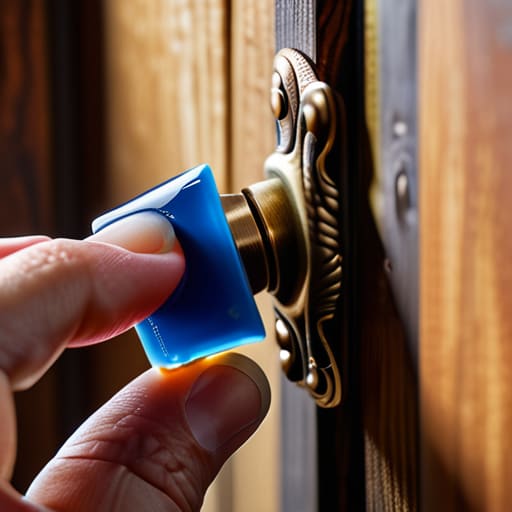
If you don’t have a can of specialized lubricant sitting in a junk drawer, don’t go out and buy one just for this. You can use household items to stop door squeaks that you likely already have in your kitchen or bathroom. A few drops of olive oil or even a bit of petroleum jelly (Vaseline) can work in a pinch. Just apply a tiny amount to the top of the hinge and work it in. It’s not a permanent fix like a professional grade spray, but it’ll stop the metal-on-metal screeching immediately so you can actually focus on your work.
If you do decide to head to the hardware store, keep the debate of WD-40 vs silicone spray for doors in mind. Most people reach for the classic blue and yellow can, but that’s actually a solvent, not a long-term lubricant; it’ll dry out and leave you with a louder squeak in a month. If you want to do this once and forget about it, grab a silicone-based spray. It stays slick much longer and won’t attract as much dust, making your door hinge pin maintenance a once-a-year task rather than a monthly chore.
Wd 40 vs Silicone Spray for Doors Choosing the Right Win
If you’re standing in the hardware aisle staring at a wall of aerosols, here is the reality: most people use the wrong tool for the job. If you’re debating WD-40 vs silicone spray for doors, you need to understand that standard WD-40 is actually a solvent, not a long-term lubricant. It’s great for breaking up rust or cleaning out gunk during door hinge pin maintenance, but it evaporates quickly. If you use it as your only fix, that squeak will be back in a week, probably louder than before.
For a permanent solution, go with a silicone spray or a lithium grease. These stay where you put them and create a slick barrier that actually handles the weight of the door. I prefer silicone because it’s clear and won’t leave those nasty, dark oil stains on your door frame or carpet if you over-apply it. If you’re serious about eliminating door friction for the long haul, spend the extra three dollars on the silicone. It’s a small upfront cost that saves you from having to repeat this entire process next month.
Three ways to stop the squeak before it drives you crazy
- Don’t just spray the gap; pull the pin. If a quick spray doesn’t work, pop the hinge pin out entirely, wipe off the old gunk with a paper towel, and re-lube it. It’s ten minutes of extra work that actually solves the problem.
- Keep a small tube of lithium grease in your utility drawer. It’s thicker than WD-40 and stays where you put it, meaning you won’t be re-applying it every two weeks.
- If you’re in a pinch and don’t have tools, a bit of bar soap or even a drop of cooking oil on the hinge works in a heartbeat. It’s not a permanent fix, but it stops the noise immediately.
- Check your alignment. Sometimes a squeak isn’t just friction; it’s a door that’s sagging because a screw is loose. Tighten the hinge screws first before you start messing with lubricants.
- Clean the hinge before you lube it. Applying fresh grease over a layer of dust and old metal shavings is just making a mess. Wipe it down first so the new stuff can actually do its job.
The Quiet Win
At the end of the day, fixing a squeaky door isn’t about being a handyman; it’s about removing the tiny, unnecessary frictions that clutter your mental space. Whether you went the quick route with some cooking oil because you didn’t want to run to the store, or you played the long game by applying a proper silicone spray, you’ve successfully closed a loop. You identified a nuisance, applied a low-effort solution, and moved on. Don’t overthink the tool choice—just make sure you’ve addressed the source of the friction so you aren’t back here doing the same thing next week.
We spend so much of our energy trying to solve massive, complex problems that we let these small, repetitive annoyances drain our focus. But there is a specific kind of satisfaction in maintaining your space with just a few minutes of intentional effort. My goal isn’t to turn you into a DIY expert; it’s to help you build a life where your environment actually works for you. Fix the door, silence the noise, and get back to the things that actually matter. Small wins like this are how you keep your sanity intact without letting your chores take over.
Frequently Asked Questions
What if I don't have any lubricant on hand right now?
Look, if you’re in the middle of a deep work session and that hinge starts screaming, don’t go running to the hardware store. Check your kitchen first. A little bit of olive oil or even vegetable oil on a paper towel works in a pinch. If you’re really desperate, a bar of soap rubbed directly onto the pin can bridge the gap. It’s not a permanent fix, but it’ll stop the noise so you can get back to what matters.
How do I know if the squeak is coming from the hinges or if the door is actually rubbing against the frame?
The easiest way to tell is to look for the “give.” Open the door slowly and watch the gap between the wood and the frame. If the gap stays consistent but you still hear that piercing metal-on-metal screech, it’s the hinges. If you see the door physically compressing the frame or scraping the floor as it moves, you’ve got a clearance issue. If it’s the frame, no amount of oil is going to fix it.
Is there a way to fix this without taking the entire door off its hinges?
Honestly, don’t bother pulling the whole door off unless you’ve got nothing better to do. That’s how a five-minute fix turns into a two-hour headache involving a stripped screw or a bruised thumb. Just lift the door slightly—or use a shim if it’s heavy—to expose the hinge pin. Drip your lubricant directly onto the pin, work it in, and wipe the excess. It’s faster, cleaner, and keeps your afternoon intact.