Simple Woodworking Projects Using Reclaimed Wood Pallets
I used to think that upgrading my apartment meant dropping a month’s rent at a big-box furniture store, but growing up in a tight space taught me a different lesson. Most DIY advice online is exhausting—it assumes you have a garage full of power tools and an entire Saturday to spare. I’m not interested in projects that turn into expensive, half-finished eyesores in the corner of your room. Instead, I’ve been looking for pallet project ideas that actually respect your time and your bank account. You don’t need a master carpenter’s toolkit to stop living out of cardboard boxes; you just need a few functional systems that make your space feel intentional rather than cluttered.
In this post, I’ve narrowed it down to five specific builds that prioritize utility over fluff. I’m skipping the complicated, decorative nonsense and focusing on ways to use reclaimed wood to solve real problems, like storage or seating. By the end of this, you’ll have five straightforward ways to turn scrap wood into useful home upgrades without burning out your weekend. Let’s get into it.
Table of Contents
The Low-Profile Vertical Garden
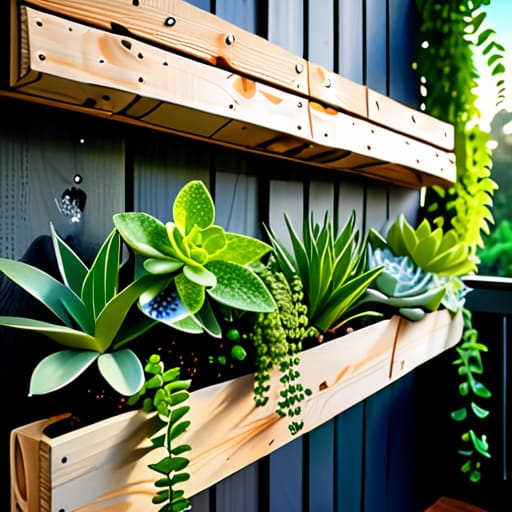
If you’re living in a space where floor real estate is a luxury, stop trying to stack pots on every available surface. It looks cluttered and it’s a nightmare to water. Instead, lean a single pallet against your balcony wall or a sunny window. You can line the slats with landscape fabric to create little pockets for herbs or succulents, turning a piece of dead wood into a functional green wall.
The Modular Entryway Bench
Most entryway furniture is either overpriced or made of particle board that falls apart the second you sit on it. A pallet bench is a solid alternative if you take the time to sand it down properly. You don’t need a complex design; just stack two or three pallets, secure them, and maybe add some cheap outdoor cushions on top. It’s a sturdy, no-nonsense seat that handles the daily chaos of shoes and bags.
Desktop Organizer for the Creative Chaos
My desk usually looks like a graveyard of cables, notebooks, and half-finished projects. Instead of buying those plastic organizers that just end up in a landfill, I salvaged some smaller pallet scraps to build a custom desktop caddy. By cutting the slats to different heights, you can create dedicated slots for your phone, your pens, and even that notebook I’m always carrying.
The Minimalist Coffee Station
If your kitchen counters are cramped, a dedicated coffee station can save your sanity. You can repurpose a small section of a pallet to create a tiered shelf that sits right next to your machine. Use the lower levels for your mugs and the upper slats to hold your beans or tea canisters. It keeps the morning ritual contained to one small footprint rather than spreading across the whole counter.
The Heavy-Duty Tool or Gear Rack
Whether you’re into fixing vintage synths or just trying to keep your cleaning supplies from piling up in a corner, you need a way to get things off the floor. A pallet mounted to a garage or closet wall acts as a massive, built-in pegboard. You can screw hooks directly into the wood or use the slats to slide in larger items like folded ladders or garden tools.
Stop Overthinking the Build
At the end of the day, these pallet projects aren’t about achieving some Pinterest-perfect level of interior design. Whether you’re building a vertical herb garden to save a few bucks on groceries or a simple modular shelf to get your tech off the floor, the goal is the same: creating utility out of nothing. We’ve looked at how a few scraps of wood can solve real organizational problems without draining your bank account or eating up your entire Saturday. The point isn’t to make something fancy; it’s to make something that actually works for the space you have right now.
Don’t let the fear of a crooked edge or a stray nail stop you from starting. I spent years thinking I needed a professional workshop and a massive budget to fix my living situation, but I was wrong. Most of the best systems I use in my own apartment were born from a bit of grit and some cheap, reclaimed materials. Just grab your tools, keep it simple, and focus on the small, repeatable wins. Once you see how much more control you have over your environment when you stop waiting for permission to build it, you won’t want to go back.
Frequently Asked Questions
How do I make sure I'm not bringing toxic chemicals or nasty pesticides into my apartment from old shipping pallets?
Look for the IPPC stamp. You want to see “HT” (Heat Treated), which means the wood was heated to kill pests without chemicals. Avoid anything marked “MB”—that stands for Methyl Bromide, a nasty pesticide you definitely don’t want breathing in your living room. If the wood smells like chemicals or looks unnaturally oily, leave it. If you’re unsure, just skip it. It’s not worth compromising your air quality for a cheap DIY.
Is it actually worth the effort to sand these down, or can I just go for a more rugged, unfinished look?
Honestly, it depends on what you’re building. If it’s a coffee table or something you’ll be resting your skin against, sand it. You don’t want splinters ruining your afternoon. But if it’s a heavy-duty planter or a wall-mounted shelf, skip the heavy sanding. Just hit the rough spots with a medium grit to avoid snagging, then lean into that rugged look. Don’t let perfectionism turn a quick weekend win into a three-day chore.
What's the cheapest way to secure these builds so they don't fall apart the first time I put something heavy on them?
Don’t bother with fancy wood glue or expensive specialty fasteners. If you’re on a budget, grab a box of 2.5-inch deck screws and a cordless driver. Screws bite into the wood and actually hold tension; nails just pop out the second you lean on something. If the pallet wood is particularly crumbly, pre-drill your holes first. It prevents splitting and ensures the hardware actually does its job without turning your build into kindling.