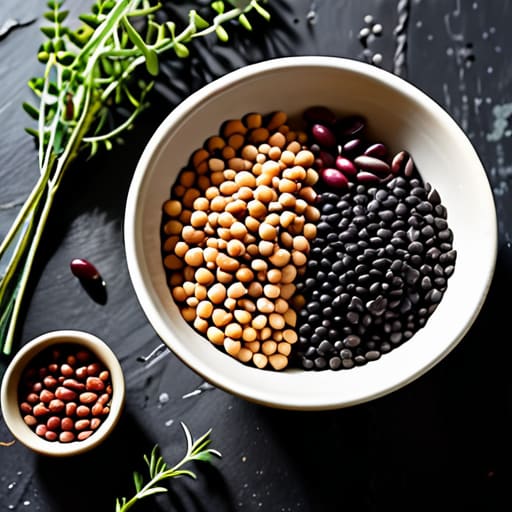
A Beginner’s Guide to Cooking Beans and Lentils
I spent most of my childhood watching my mom try to make a single bag of dried chickpeas stretch across four nights of dinners, usually while staring down a pot of something that was either rock-hard or turned into complete mush. Most “gourmet” cooking blogs act like knowing how to cook beans and lentils is some sacred, high-effort ritual involving specialized pressure cookers and hours of meditative stirring. That’s a lie. It’s not about being a chef; it’s about managing your time and your budget without feeling like you’re eating cardboard.
I’m not here to give you a lecture on culinary history or suggest you buy a $300 gadget you’ll never use. I want to show you a system that actually works for people with real lives—people who have projects to coordinate, furniture to fix, or just want to actually relax once the sun goes down. I’m going to break down the most efficient ways to handle these staples so you can stop overthinking it and start building a pantry that works for you.
Table of Contents
The Soaking Dried Beans vs No Soak Debate
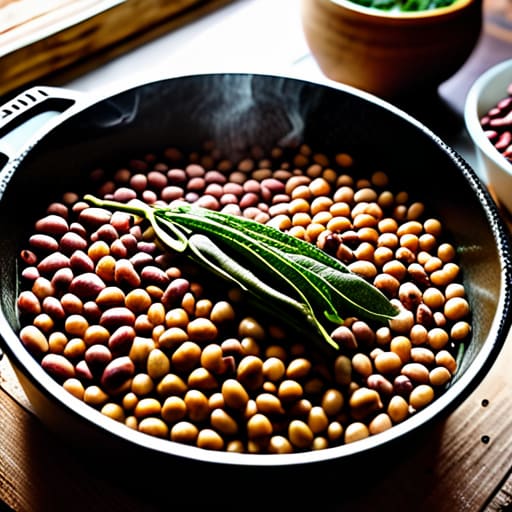
Look, I get the tension here. On one side, you have the purists who swear by an overnight soak to “unlock” the nutrients and soften the skins. On the other, you have the reality of a busy Tuesday where you just want to eat. When it comes to the soaking dried beans vs no soak debate, the truth is more about your schedule than some mystical culinary law. If you have the foresight to prep the night before, soaking is great for reducing cook times and making them easier on your digestion. But if you forgot? You don’t have to order takeout.
If you’re skipping the soak, just expect to spend more time at the stove. I usually lean toward the no-soak method when I’m using a pressure cooker, as it handles the heavy lifting for me without any prep. However, if you’re sticking to a standard pot, you’ll need to adjust your expectations regarding retaining texture in lentils and beans. Without that head start, some varieties might take a bit longer to reach that perfect, creamy consistency without turning into mush. It’s just a trade-off between prep time and pot time.
Stovetop Bean Cooking Tips for Busy People
Once you’ve decided on your soaking method, the actual stovetop process shouldn’t feel like a hostage situation. My rule of thumb is to never cook beans in plain water; it’s a missed opportunity. Instead, use a high-quality stock or at least a heavy dose of aromatics like a smashed garlic clove or a bay leaf. When it comes to how to season legumes, start early. If you wait until the end to add salt, you risk the skins becoming tough and unpalatable. Add your salt once the beans have softened slightly, but don’t wait until they’re mushy.
The biggest mistake I see is people treating all legumes like they’re the same. If you’re working with red lentils, they’ll turn into porridge in fifteen minutes, whereas chickpeas might take an hour. You have to respect the cooking times for different lentils and beans to avoid a texture nightmare. Keep a close eye on the liquid levels; if the pot gets too dry, you’ll scorch the bottom, and once that happens, the whole batch tastes like smoke. Just keep it low, keep it steady, and let the heat do the heavy lifting.
Five ways to stop failing at your pantry staples
- Salt your water early. Don’t wait until the beans are soft to season them; adding salt to the soaking or cooking water helps the skins stay intact and seasons the bean all the way through so they don’t taste bland.
- Forget the “flavoring” myths. You’ll see people saying don’t salt beans because it makes them tough—that’s mostly nonsense. If you’re using high-quality dried beans, a bit of salt in the pot won’t ruin your texture, and it’ll actually make them taste better.
- Use aromatics to save time on seasoning. Instead of chopping a dozen spices, just toss a smashed garlic clove, a bay leaf, or a halved onion into the pot while they simmer. It builds a base layer of flavor without any extra effort.
- Watch the acidity. If you’re adding tomatoes, lemon juice, or vinegar too early, the acid can prevent the beans from ever getting soft. Wait until they’re actually tender before you start adding the bright, acidic stuff.
- Keep a “scrap bag” in your freezer. Since I’m usually cooking beans in large batches to save money, I toss the onion skins, carrot ends, and herb stems into a bag in the freezer. When it’s full, boil it with your beans to get a free, deep flavor boost.
The Bottom Line
At the end of the day, cooking beans and lentils isn’t about following a rigid culinary textbook; it’s about choosing the method that fits your current energy levels. If you have the foresight to soak them overnight, you’re saving yourself a massive chunk of time the next day. If you’re too tired to plan ahead, just skip the soak and let them simmer a bit longer—it’s not a failure, it’s just a different workflow. The goal is to have nutritious, cheap fuel ready in your pantry so you aren’t forced to rely on expensive, processed takeout when your brain is fried. Stick to the basics, watch your salt levels, and let the heat do the heavy lifting.
I used to think that being “adult” meant having a perfectly organized kitchen and gourmet meals every night. I was wrong. Being an adult is actually about building small, repeatable systems that prevent your life from feeling chaotic. Mastering a simple pot of lentils is one of those wins. It’s a way to take control of your budget and your health without needing a massive time commitment. Don’t aim for perfection; just aim for a system that works for you. Get the beans in the pot, get on with your life, and enjoy the fact that you’re actually taking care of business.
Frequently Asked Questions
Do I really need to add salt to the water, or will that make the skins tough?
Salt doesn’t toughen the skins; it actually helps them. Think of it like seasoning a steak—if you wait until the end, you’re just salting the surface. Adding salt to the soaking water or the pot helps soften the skins and infuses flavor deep into the bean itself. Just don’t go overboard with a massive amount of salt early on if you’re using a heavy bouillon. A decent pinch is all you need.
How do I know when a lentil is actually done without turning it into mush?
The “mush factor” usually happens because you’re waiting for a visual cue that’s too late. Don’t rely on your eyes; rely on a fork. Take one out, let it cool for a second, and press it. You’re looking for a “tender-bite”—the center should be soft, but there should still be a tiny bit of structural resistance. If it squishes easily under light pressure, pull the pot off the heat immediately. Residual heat keeps cooking them.
Can I freeze cooked beans in batches to save time later, or does the texture get weird?
Yes, you can—and honestly, you should. Batch-cooking is the only way to make this sustainable. Just make sure they’re completely cool before they hit the freezer to avoid ice crystals. They won’t stay “firm” for salads, but for soups, stews, or grain bowls, the texture holds up perfectly. I usually freeze them in small, single-serving portions so I can grab one and go without defrosting a massive tub.