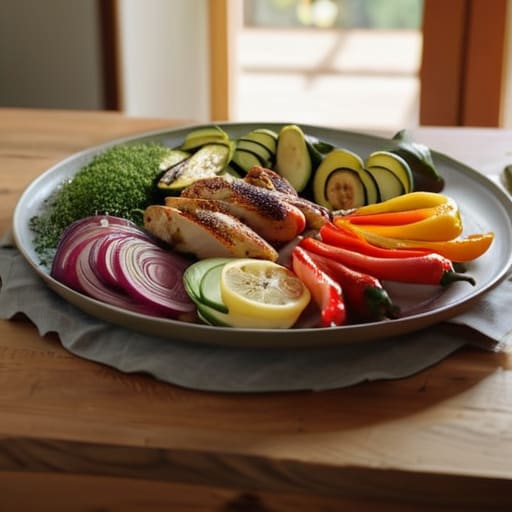
Family-approved Dinner Ideas That Are Actually Healthy
I used to think that eating well meant spending my entire Sunday meal-prepping containers of dry chicken and broccoli, or spending way too much money on “superfoods” that I’d eventually let rot in the back of my fridge. Growing up in a tight budget doesn’t leave much room for wasted groceries or complicated recipes that require twenty different spices you’ll never use again. We all want healthy dinner ideas that actually fit into a real life, but most of the advice out there feels like it was written for someone with a personal chef and zero responsibilities. The reality is that if a meal takes an hour of active labor after a long workday, it’s not a sustainable system.
I’m not here to give you a culinary masterclass; I’m here to give you a blueprint for survival and sanity. In this post, I’ve narrowed it down to five specific, low-friction meals that prioritize nutrition without sacrificing your evening downtime. These are repeatable wins designed to keep your energy up and your grocery bill down. You’re going to learn how to build plates that are filling, functional, and—most importantly—actually easy to clean up.
Table of Contents
The Sheet Pan Strategy
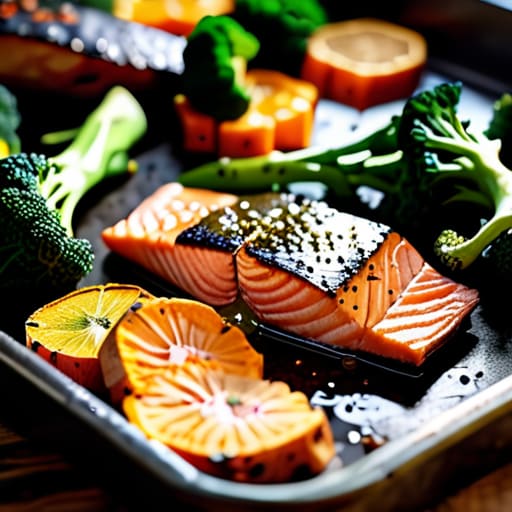
I don’t have the patience for a sink full of pots and pans after a long day of coordinating projects. The sheet pan method is my go-to because it turns the oven into a hands-off worker. You just toss some chopped sweet potatoes, broccoli, and a protein like salmon or chicken thighs onto a single tray, drizzle with olive oil and salt, and let it do its thing.
The Grain Bowl Assembly Line
Think of a grain bowl as a modular system rather than a recipe. I keep a large batch of quinoa or farro in the fridge from whatever day I actually had the energy to boil water. When dinner time hits, you aren’t “cooking”—you’re just assembling components. Grab a base of grains, add a handful of greens, some canned chickpeas for protein, and whatever raw veggies are looking decent in the crisper drawer.
One-Pot Lentil Stews
If you want to stretch a tiny budget without sacrificing nutrition, lentils are your best friend. I learned early on that a bag of dried lentils is significantly cheaper—and lasts much longer—than buying pre-packaged meat alternatives. A single pot of lentil stew with some canned tomatoes, onions, and basic spices can feed you for three nights, and it actually tastes better on day two once the flavors have settled.
Elevated Adult Toast
Sometimes, the idea of a full meal feels like too much mental overhead. In those moments, I lean into high-quality toast. This isn’t just bread and butter; we’re talking about thick slices of sourdough topped with smashed avocado, a soft-boiled egg, or even seasoned black beans and feta. It’s about using minimal ingredients but choosing ones that actually have texture and flavor.
The Cold Noodle Reset
When the weather is warm or I’m just feeling completely unmotivated, I go for cold noodle salads. You can use buckwheat soba or even just whole wheat pasta. The key is to toss them with a simple dressing—soy sauce, sesame oil, and a bit of ginger—and throw in some sliced cucumbers and edamame. It’s a refreshing, zero-steam option that doesn’t require you to hover over a hot stove.
Building the System
At the end of the day, these five meals aren’t about achieving some unattainable culinary perfection or following a rigid diet. They are about reducing decision fatigue when you’re tired and staring at a half-empty fridge. Whether it’s the quick protein bowls or the one-pan roasted veggies, the goal is to have a reliable rotation of meals that don’t require a massive grocery haul or three hours of prep work. If you can master these few basics, you stop treating dinner like a chore and start treating it like a system that actually works for you.
Don’t feel like you have to overhaul your entire kitchen routine by Monday morning. Just pick one of these ideas and try it once this week. The real win isn’t in the recipe itself, but in the fact that you actually ate something decent without breaking your budget or your spirit. We’re just trying to build a life that feels sustainable, one small, repeatable win at a time. Keep it simple, keep it functional, and let the system do the heavy lifting so you can get back to whatever actually matters.
Frequently Asked Questions
How do I keep these meals from getting boring if I'm eating them multiple times a week?
The trick is to treat your base meal like a modular synthesizer—keep the core structure simple, but swap the components. If you’re eating the same grain bowl three times a week, don’t change the grain; change the sauce or the crunch. Keep a rotation of high-impact, low-effort additions in your pantry: chili oil, pickled onions, or toasted seeds. It’s about shifting the flavor profile without adding a single minute of actual prep time.
What’s the most efficient way to prep these without spending my entire Sunday in the kitchen?
Don’t do a “marathon” prep session; that’s how you burn out by Tuesday. Instead, use component prepping. Roast a massive tray of veggies and boil a batch of grains while you’re doing something else, like listening to a podcast. Chop your aromatics—onions, garlic, peppers—all at once and keep them in airtight containers. You aren’t cooking full meals; you’re just building a pantry of ready-to-go building blocks so assembly takes ten minutes, not forty.
Can I adapt these ideas if I'm working with a really tight grocery budget?
Absolutely. In fact, these systems work better when the budget is tight because they force you to stop impulse buying. Switch the expensive proteins for lentils, chickpeas, or eggs—they’re cheaper and last longer. Buy the frozen version of whatever vegetable the recipe calls for; it’s often more nutritious and half the price of fresh. The goal isn’t to buy “specialty” ingredients; it’s to use versatile staples to build something decent.